

Outdated Interior Design Trends in 2026: A Shift Toward Warmth and Comfort
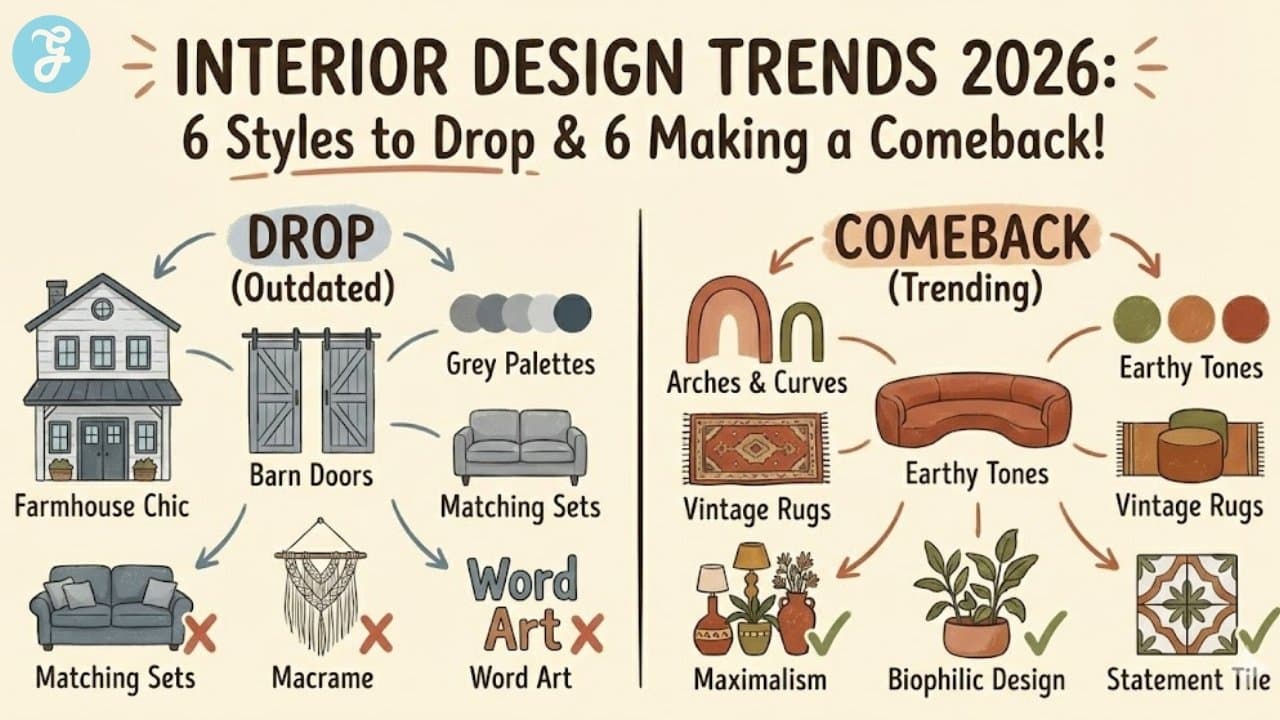
As we step into 2026, the world of interior design is witnessing a transformative shift. Gone are the days of cold minimalism and soulless spaces filled with mass-produced “fast furniture.” Homeowners today are seeking environments that support their daily routines and reflect a more personal, human-centered lifestyle. This evolving mindset favors warmth, depth, and authenticity, steering clear of designs that prioritize appearance over experience.
The Evolving Mood of 2026
The emerging aesthetic of 2026 is defined by richer colors, meaningful materials, and a greater respect for craftsmanship. Homeowners are focusing less on fleeting trends and more on choices that feel personal and enduring. The key question driving today’s decor decisions has shifted from “What’s trending?” to “What will feel good for years to come?”
For anyone renovating or redecorating, it’s essential to recognize which trends are losing traction and why. Some styles have simply been overdone. Others no longer function well for real life, and certain trends are being replaced by better alternatives that emphasize comfort, character, and connection to daily life.
Outdated Interior Design Trends to Leave Behind
1. Stark White and Cool Gray Minimalism
White-on-white kitchens and cool gray living spaces were once the epitome of modern design, promising elegance and tranquility. However, many of these interiors now feel sterile and lifeless, especially when paired with hard surfaces and bright lighting that amplify sound. The emotional impact of a home is crucial—one filled with white and gray can resemble an office lobby more than a refuge.
Why It’s Fading: People are eager to design homes that reduce stress, not add to it. The pressure to maintain a “perfect” look in such cold environments is becoming too much. In 2026, comfort takes precedence over apprehension about color.
What to Do Instead: Replace stark colors with warmer options like creamy whites, soft beiges, and gentle taupes. Introduce texture with linen drapes, woven shades, or wooden accents to give neutral rooms a layered, inviting feel.
2. Modern Farmhouse Overload
The charm of the modern farmhouse aesthetic has been diluted through mass reproduction—think white shiplap, black hardware, and ubiquitous barn doors. Once unique, these elements have become so overused that they now feel like a generic template.
Why It’s Fading: Oversaturation destroys the uniqueness of this style. Homeowners are now looking for interiors that tell their own stories and reflect personal taste.
What to Do Instead: Explore styles like Modern Cottage or Organic Traditional, which blend warmth and comfort with authentic materials, avoiding clichés. Incorporate rich textures and historic details to enhance your space.
3. Fast Furniture and Perfectly Matching Sets
The charm of perfectly coordinated furniture collections fades amid the realization that such uniformity often lacks life and character. Fast furniture, associated with cheap materials and short lifespans, makes it harder for spaces to feel personal and unique.
Why It’s Fading: Sustainability and quality have become paramount. People prefer investing in fewer, lasting pieces rather than cyclically replacing cheap items.
What to Do Instead: Embrace a mixed approach by combining vintage and new pieces. Create depth by varying finishes, textures, and shapes so that rooms have more visual interest.
4. Faux Plants and Plastic Greenery Everywhere
While real greenery breathes life into interiors, plastic plants have oversaturated the market. They may require no maintenance but ultimately fail to provide any real connection to nature or sensory experience.
Why It’s Fading: An increasing desire for authenticity makes even the best faux plants feel out of place. The tactile interaction with real foliage simply can’t be replicated.
What to Do Instead: Replace plastic with dried florals, sculptural branches, or high-quality ceramics. Incorporate easy-care, real plants like pothos or snake plants for a more honest connection to nature.
5. Word Art and Generic Signage
Mass-produced slogans such as “Eat” or “Gather” lack personal significance and turn walls into placeholders rather than innovative displays of personal taste or artistry.
Why It’s Fading: In 2026, there is a growing emphasis on personalization—something generic simply doesn’t resonate.
What to Do Instead: Choose artwork that tells a story, such as travel photography or original prints. Transform your walls with meaningful pieces that add character and reflect who you are.
6. Blob Furniture and Overdone Bouclé
While the trend for curvy furniture brought softness to schemes, the overly exaggerated “blob” aesthetic has plateaued. Many of these pieces lack the necessary structure to serve everyday needs, straying from practical design.
Why It’s Fading: Increased demand for functionality over vanity has made it clear that furniture must endure everyday life and remain easy to maintain.
What to Do Instead: Opt for refined curves with structured silhouettes and durable materials. Keep one statement piece while balancing it with more traditional forms.
Interior Design Trends Making a Comeback
With outdated styles giving way, the new trends entering 2026 focus on depth, warmth, and a strong sense of personality.
1. Rich Earth Tones and Warm Color Palettes
The palette of 2026 is shifting towards muted yet rich colors grounded in nature: terracotta, olive, rust, ochre, and warm beige.
Why It’s Rising: These warm colors foster a comforting atmosphere, supporting the concept of home as a sanctuary.
How to Use It Well: Experiment with bold paint choices or incorporate earthy tones through textiles and decor for a layered look.
2. Dark and Heritage Woods
Darker woods like walnut and mahogany are becoming central features again, adding sophistication and richness.
Why It’s Rising: These finishes signify longevity and craft, enhancing the warm palettes of contemporary design.
How to Use It Well: Combine darker woods with lighter fabrics to maintain a balanced feel. Use them as focal points, whether in furniture or architectural features.
3. Grandmillennial Layering and Vintage Finds
The evolving “Grandmillennial” aesthetic embraces genuine vintage layering, moving away from perfect coordination.
Why It’s Rising: Vintage pieces inject uniqueness and story into a space, often demonstrating superior craftsmanship.
How to Use It Well: Choose consistent colors or materials to create harmony while allowing personal treasures to shine.
4. Highly Textured Surfaces and Tactile Materials
A focus on texture has emerged, moving away from glossy finishes to embrace tactile materials like limewash and natural stone.
Why It’s Rising: Enhancing sensory experiences, textured surfaces make a home feel grounded and comforting.
How to Use It Well: Consider subtle texture variations in your walls and incorporate layered textiles with both smooth and rough surfaces.
5. Moody Color-Drenched Rooms
Color drenching, where walls, trim, and ceilings are painted the same rich hue, is making waves.
Why It’s Rising: This technique fosters emotional comfort and bold expressions, rejecting bland “resale beige” aesthetics.
How to Use It Well: Start small, perhaps in a powder room, and consider how contrasting accents can add depth.
6. Statement and Modular Lighting
Lighting is returning to the forefront, regarded as a crucial element of design.
Why It’s Rising: Creating mood is essential, and thoughtful layering of lighting enhances the overall atmosphere.
How to Use It Well: Aim for a combination of ambient, task, and accent lighting while considering adjustable modular options for versatility.
How to Update Your Home Without Starting Over
Significant renovations aren’t always necessary to shift away from outdated trends. Small tweaks can make a dramatic difference.
-
Fix the Lighting First: Warm lighting and layered lamps can transform any room’s vibe.
-
Add Texture: Utilize rugs, curtains, or wall finishes to create depth.
-
Introduce Warmth with Color: A simple accent wall in a warm hue can dramatically alter the feel.
-
Swap Out Generic Pieces: Replace mass-produced decor with vintage or personally meaningful items.
- Edit Overly Trendy Elements: Reduce dominate trends by rebalancing your space with timeless shapes.
Designing Homes That Feel Good in 2026
The evolution of interior design in 2026 is more than a shift in aesthetics; it represents a deeper, more significant mindset change. Homes are increasingly seen not just as visual spectacles but as spaces designed for emotional comfort and daily life.
As this new wave of design emphasizes warmth, texture, and authenticity, homeowners are encouraged to focus less on perfection and more on personal expression. The small changes made now will pave the way for homes that remain inviting and nourishing for years to come.



