

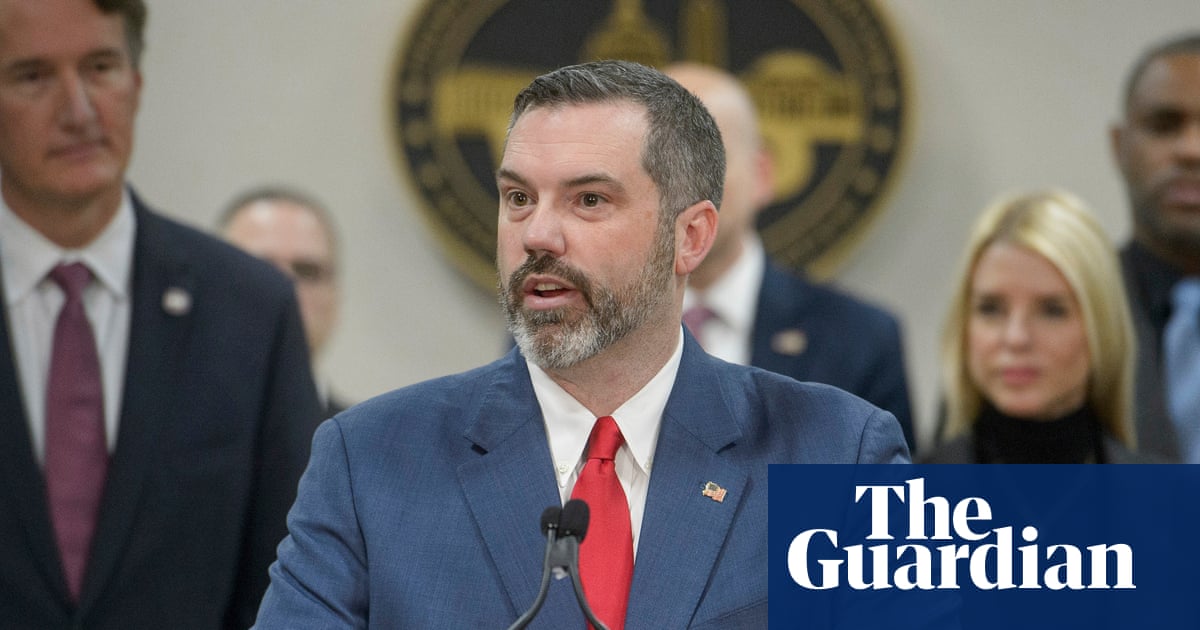
The Resignation of Federal Prosecutor Erik Siebert and the Political Ramifications
The recent resignation of Erik Siebert, the federal prosecutor for the Eastern District of Virginia, has sparked significant discussion and controversy. This resignation followed considerable pressure from former President Donald Trump, who was frustrated with Siebert’s office for failing to secure sufficient evidence to charge New York Attorney General Letitia James, a known political rival. The unfolding events raise important questions not only about the integrity of legal processes but also about the intersection of law and politics in contemporary America.
Context of the Resignation
Siebert communicated his resignation to colleagues in a letter sent last Friday, just hours after Trump publicly demanded his removal. Trump expressed dissatisfaction, stating, “I want him out,” citing that Virginia’s two Democratic senators had endorsed Siebert’s nomination. This public pressure was emblematic of Trump’s broader pattern of targeting his opponents through legal channels.
The investigation into Letitia James had lasted five months, examining allegations that she falsely claimed a Virginia home as her primary residence. However, prosecutors concluded that there was insufficient evidence to proceed with any criminal charges against her. The findings underline a troubling pattern where political motivations may overshadow legal judgments, particularly in a landscape where figures like Trump have been known for employing aggressive tactics against adversaries.
The Trump – James Dynamic
Letitia James made headlines in 2024 when she filed a civil suit against Trump and his business empire, resulting in a substantial financial penalty. However, this penalty was overturned by an appeals court which found that Trump had indeed engaged in fraudulent activities by misrepresenting his wealth over several years. This legal back-and-forth between Trump and James is not merely personal; it is deeply symbolic of the ongoing struggle between political factions in the U.S.
Influencer Dynamics Within the Justice System
As the situation unfolded, it became clear that influential figures within the Trump administration were pushing Siebert to pursue charges against James. Notable among them was Ed Martin, a lawyer for defendants from January 6, who led a Department of Justice push for criminal indictments against Trump’s political rivals. Bill Pulte, head of the Federal Housing Finance Agency and a Trump supporter, also voiced his desire for Siebert’s dismissal. This level of pressure within the Justice Department raises ethical concerns regarding the independence of legal practices from political influence.
The Allegations Against James
The primary allegations against Letitia James revolved around her declaring a home in Virginia as her principal residence. However, investigations revealed that while she might have indicated this intention in one document, there were other indications suggesting that it was intended as a secondary residence. The nuances of this investigation reveal complexities often lost in the public discourse, where legal technicalities can be weaponized for political gain.
The Impact on Justice Department Independence
Historically, the Justice Department has been characterized by its independence from the executive branch, a crucial element for maintaining public trust in legal decisions. Trump’s administration, however, has frequently flouted this norm, prompting firings of seasoned attorneys and law enforcement officials whose work may not align with his political agenda. This pattern of behavior raises alarm bells about the potential erosion of justice in favor of political loyalty.
Broader Implications
The Trump administration’s approach to the judiciary also reveals deeper implications for how political rivalries could influence judicial proceedings. The use of accusations, particularly against adversaries seen in a negative light—such as Letitia James—demonstrates a trend known as “lawfare.” This term describes the strategic use of legal systems and laws to attack political opponents, effectively creating an environment where legal consequences might feel more politically motivated than grounded in justice.
Future Considerations
As the legal battles continue to evolve, with figures like James and Trump deeply entangled in ongoing disputes, the broader landscape of American politics may shift significantly. The case against Trump last year and the subsequent political ramifications following someone like James could set a precedent for future administrations. This evolving scenario presents a critical juncture for how America perceives the integrity of its legal systems amidst a polarized political environment.
The resignation of Erik Siebert is but a chapter in a much larger narrative—one filled with challenges to both the independence of the judiciary and the ethical considerations that underpin American democracy.



