

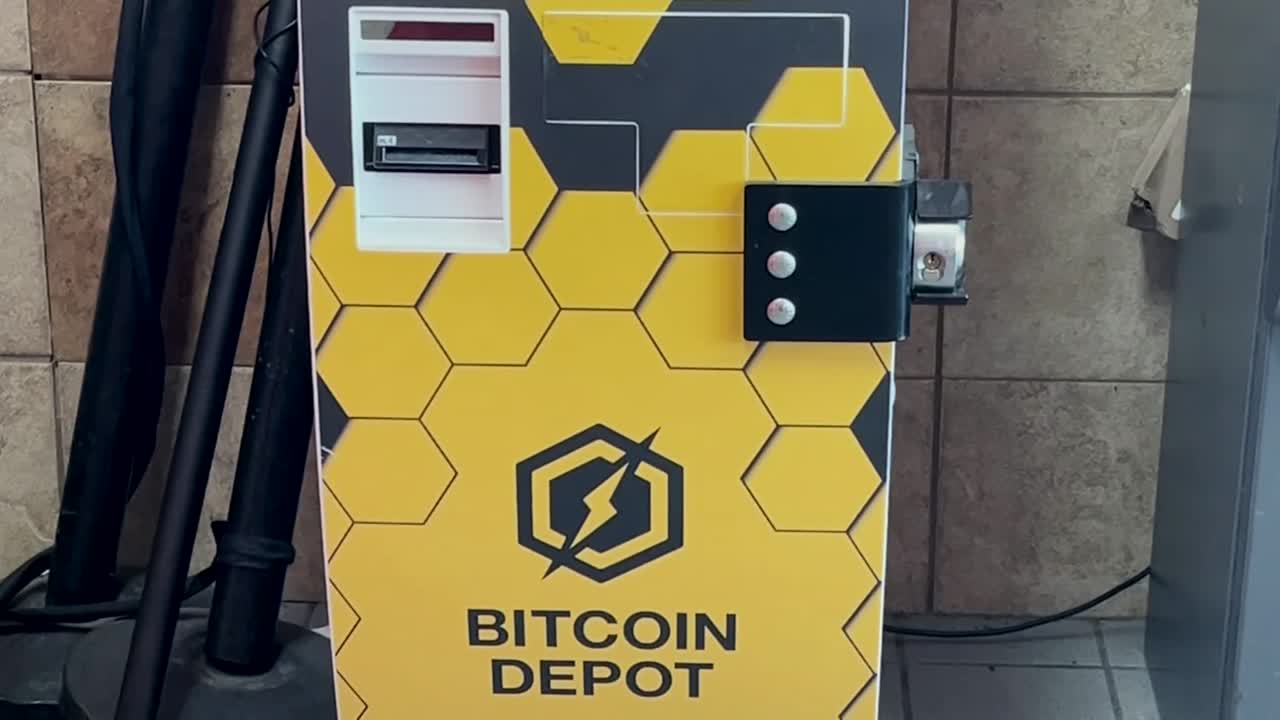
New Cryptocurrency ATM Law Enacts Vital Consumer Protections
Today marks a pivotal moment for consumers with the enforcement of a new state law aimed at providing essential protections against the rising tide of fraud linked to cryptocurrency ATMs. As these machines become more prevalent, understanding their implications and the legal framework surrounding them has never been more crucial.
Understanding Cryptocurrency ATMs
AARP Advocacy Director Joy McGill shed light on the often-overlooked existence of cryptocurrency ATMs, which can easily be mistaken for traditional cash ATMs. Many individuals might not realize the differences between the two, making them susceptible to potential scams.
Common Locations for Cryptocurrency ATMs
Cryptocurrency ATMs have been strategically placed in various public spaces, including:
- Grocery stores
- Gas station stores
- Corner stores
These locations are easily accessible and familiar, which can create a deceptive sense of security for users.
The Nature of Cryptocurrency Scams
According to McGill, fraudsters are exploiting cryptocurrency ATMs to lure unsuspecting victims into making cash deposits. Once the cash is deposited, it gets converted to cryptocurrency, and the funds are effectively lost to the victim.
How Scammers Operate
- Luring Victims: Scammers attract individuals to cryptocurrency machines under false pretenses.
- Irretrievable Transactions: After depositing money, victims find themselves unable to recover it, as cryptocurrency transactions are virtually irreversible.
Key Differences Between Cryptocurrency and Traditional ATMs
Understanding the distinctions can help consumers make informed decisions:
- Regulation Status: Traditional ATM machines are highly regulated, providing consumers a level of reassurance.
- Lack of Protections: Prior to the enactment of this new law, no consumer protections existed for users of cryptocurrency ATMs, leaving them vulnerable to fraud.
Changes Under the New Legislation
One of the significant advancements in consumer protection is the new requirement regarding receipts. McGill emphasizes that if a cryptocurrency ATM does provide a paper receipt, it is now mandatory for users to receive one.
Importance of Receipts
Having a receipt can be instrumental for law enforcement agencies in tracing the path of the money, enabling a better chance of recovery for victims.
Additionally, the Oklahoma Banking Department has mandated that all cryptocurrency ATMs must be registered, bolstering the regulatory framework around these operations.
What to Do if You Suspect Fraud
If you believe you’ve fallen victim to a scam at a cryptocurrency machine, McGill advises taking swift action. Retaining your receipt is crucial, as it can facilitate the tracing of your funds.
Steps to Follow:
- Contact Law Enforcement: If you are within 14 days of receiving your receipt, reach out to your local authorities for assistance in tracking where your money has gone.
- Recovery Potential: With proper documentation, there may be a possibility of recovering lost funds.
Tips for Financial Safety
McGill also shared some invaluable advice for consumers to stay financially safe, particularly regarding unsolicited communications:
- Be wary of contact from:
- Law enforcement
- Financial institutions
- The Social Security Administration
- Medicare
If you receive calls from anyone claiming to represent these organizations, it’s best to hang up and verify directly with the organization itself.
Additional Awareness
Furthermore, it’s wise to delete any emails or text messages asking for money, especially if they seem suspicious.
For those seeking comprehensive information on protecting oneself against scams, AARP Fraud Watch Network offers resources and guidance to help individuals navigate an increasingly complex digital landscape.
This new law not only aims to safeguard consumers but also raises awareness about the risks associated with cryptocurrency transactions—a vital step toward fostering a more secure financial environment.



