

The Treasure of Knyszyńska Forest: Unearthing History in Poland
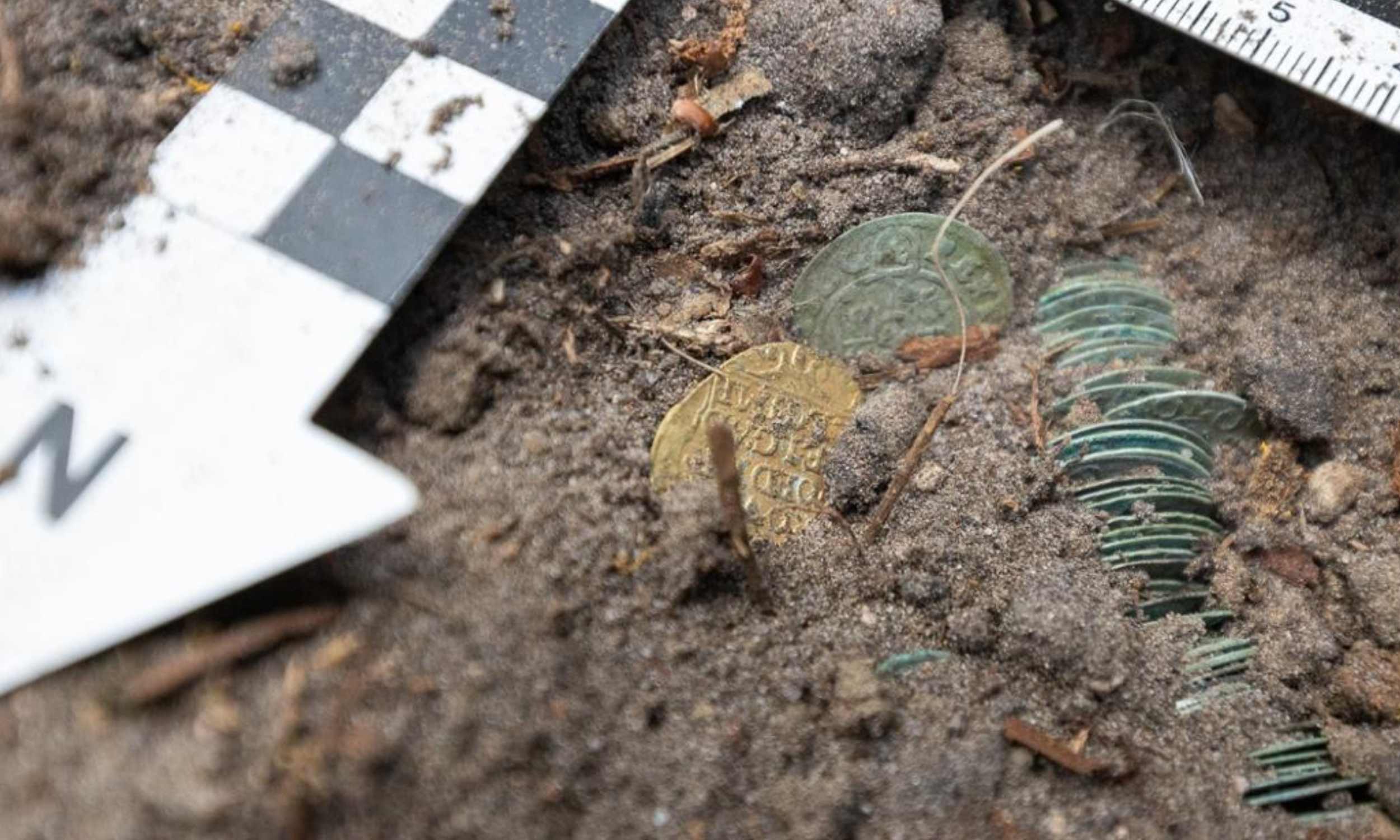
Archaeologists in northeastern Poland have made a remarkable discovery: a hoard of 69 buried coins, comprising one gold and 68 silver pieces, found in the serene surroundings of the Knyszyńska Forest Landscape Park. This hidden treasure, located near Białystok, also sheds light on the intricate money flows of the early 1600s.
Why a Forest Held Money
Leading the charge in this thrilling excavation is archaeologist Hubert Lepionka of the Magna Silva exploration group. His research centers on regional archaeology and the complex web of trade that defined the area in centuries past. Polish Radio Białystok has documented this region’s longstanding connection with Dutch merchants who sought timber and forest products from Podlasie, sending them downstream to Gdańsk.
“In the 16th and 17th centuries, Podlasie was a hub for acquiring a critical raw material for Dutch merchants: timber, essential for shipbuilding,” explained Lepionka. Such insights frame the context of why this treasure was buried in a quiet forest, laden with historical significance.
Archaeologists also discovered remnants of a burnt tree trunk at the site. Surprisingly, the fire did not affect the coins, providing valuable clues for further investigations into the timeline and circumstances surrounding this treasure.
What the Buried Coins Reveal
The collection of coins offers an exciting glimpse into the economic landscape of the period. As reported by Museum Podlaskie, the youngest coin dates back to 1634, indicating that this trove was hidden shortly after that year. The mix of a Dutch gold ducat from 1633 alongside Polish and Swedish small denomination coins paints a vivid picture of commerce and currency exchange.
These silver coins, including units like poltoraks, trojaks, szostaks, and szelągs from various mints within the Polish-Lithuanian Commonwealth and neighboring regions, illustrate the rich tapestry of trade. The 1633 ducat, minted in Gelderland, was widely accepted and would have been particularly useful for large transactions, highlighting how money flowed across borders and regions.
Each mint mark tells a story, revealing the routes of trade that connected local timber camps to bustling Baltic ports. Collectively, these findings help build a narrative of provenance, allowing curators to trace the journey of the coin hoard through time.
Why People Buried Their Wealth
The act of burying coins was common in the 17th century, often seen as a precautionary measure against the uncertainties of war, banditry, or sudden flight. Poland’s northeastern borderlands were rife with unrest, especially during the Swedish invasion known as "The Deluge."
Reports from nearby archaeological sites indicate that communities often buried small hoards of coins during times of impending conflict. Merchants, travelers, and farmers would hide their money, hoping to return for it once stability resumed. Unfortunately, many never came back, leaving behind time capsules like the treasure found in Knyszyńska Forest.
Trade Routes in the Trees
Research into the timber used in Dutch East India Company shipwrecks reveals a fascinating link between the Netherlands and forests far beyond its shores. The study of tree rings, or dendrochronology, tracks the movement of oak from northern European forests into shipyards in the early 1600s.
Independent studies have traced the flow of Prussian and Polish forest wood into Western European markets from the 14th to the 17th centuries. This broader narrative aligns with the story told by the buried coins, illustrating how wood and other forest goods were vital to the economies of the time.
Goods like tar, honey, potash, hides, and bog iron were integral to industries that required specific materials. Likewise, the coins that followed these goods along the rivers of the region reveal an interconnected world of commerce.
How Scientists Will Read the Site
Archaeologists will proceed with meticulous care, securing the context of the site and documenting it layer by layer through stratigraphy. This careful study of soil layers can reveal whether the coins were moved or remained undisturbed over time.
Each coin will undergo cleaning under a microscope, allowing researchers to read their dates, legends, and mint marks with precision. Details etched into these small pieces of metal can unlock the timing and origin of each coin.
If any charcoal from the burnt trunk remains, it could serve as a specimen for testing, potentially synchronizing the timing of the burn with the burial of the hoard. Additionally, small metal finds surrounding the pit, such as nails, buckles, or tool fragments, may provide insights into daily life and trade near the hiding place, enriching the story of this treasure.
Why These Buried Coins Matter
Local curators are speculating that the owner of this coin hoard might have been a moderate military supplier or someone affiliated with forest labor, given the combination of sturdy silver coins and a high-value gold piece.
“This is not just an impressive discovery; it significantly contributes to our understanding of the economic history of Podlasie,” noted Adam Musiuk, Podlasie Voivodeship Conservator of Monuments.
The implications of these coins shift the focus away from grand narratives dominated by kings and battles, turning instead to themes of labor, trade, and the economic interconnections fostered by the region’s rich natural resources.
Finds like these provide vital links to the economic history of Central and Northern Europe, illustrating how forests and rivers were integral to the movement of wealth. They offer a tangible connection to a past where commerce thrived amidst the complexities of trade and conflict.
For more insights, explore the press release from the Podlasie Museum and stay connected with academic and local resources that delve deeper into the fascinating world of historical archaeology.



