

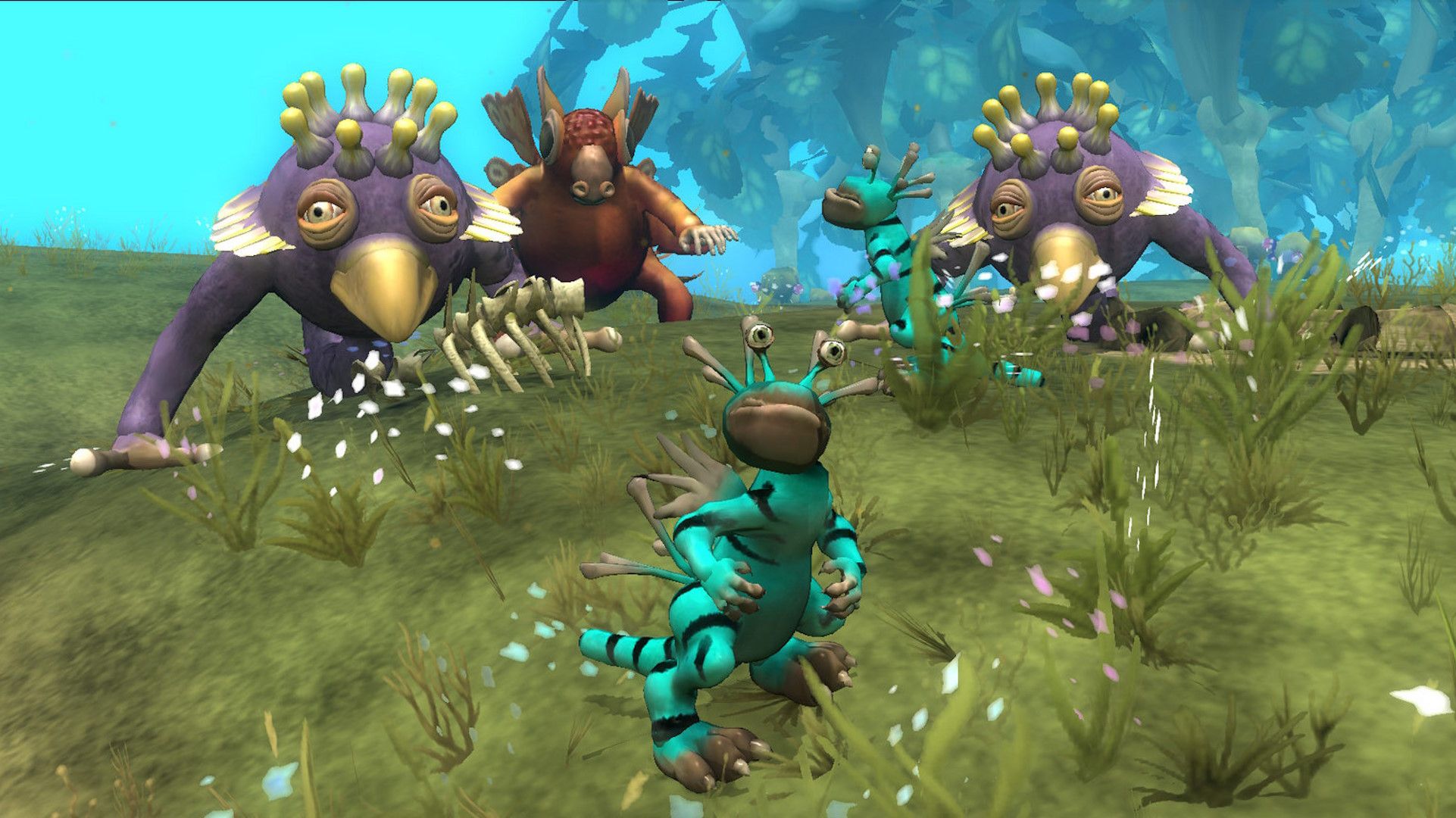
A Look Back at Spore: The Game That Divides Opinion
The Anticipation of Spore
When Spore hit the gaming world in September 2008, it was draped in immense expectations. Developed by Maxis and helmed by the legendary Will Wright, the game promised an unparalleled exploration of evolution, creativity, and diversity in gameplay. For many, it was more than just a game; it was a chance to shape a universe, offering myriad ways to create unique creatures and civilizations. I still remember how I felt when I begged my parents to preorder this ambitious title for my birthday at the tender age of eight, blissfully unaware of the impending mixed reception.
The Core Experience
At its heart, Spore was designed as an evolutionary simulation game, guiding players through the stages of life—from a single-celled organism to an advanced civilization capable of space exploration. Each stage promised new mechanics and engaging challenges. The creature creator, in particular, was a delightful tool, allowing players to craft bizarre life forms with an array of body parts, colors, and traits. It sparked imagination and sparked joy.
However, as players dove deeper into the game, many encountered the infamous minigame mishmash. While the concept was rich and appealing, the execution left a significant portion of the player base yearning for more. The expectations clashed with the reality of repetitive tasks and limited gameplay depth, leading to widespread disappointment.
Spore’s Continued Legacy: A Surprising Return
Despite the initial backlash, Spore has shown resilience in the gaming community over the years. Recent reports indicate that Spore is still moving units—literally, with at least one physical copy sold in October 2025, according to video game industry analyst Mat Piscatella. It’s a quirky tidbit that sparks curiosity about who might be discovering this legacy title long after its initial launch.
This unexpected resurgence has many scratching their heads. How does a game that had a storied history of disappointment manage to find life a decade later? Perhaps it symbolizes a nostalgic return for those who grew up with the game or even a fresh, curious gamer looking to explore a piece of video game history. Social media platforms, like Bluesky, are buzzing as gamers share their encounters with Spore, exciting both old fans and new players alike.
A Nostalgic Glimpse
The nostalgia factor is powerful. As Spore navigates through its ups and downs, countless players recall fond memories crafted during their forays into the creature creator or the thrill of zooming through galaxies during the space stage. Even amidst the criticisms, the creativity that the game unleashed deserves recognition.
Reflecting on the game, many fans, including myself, find a strange comfort in the notion that a community still thrives around a title that has arguably aged poorly. The official revival of the Spore website and the creation of a Discord server in 2024 nudged fans to reunite and share stories, creations, and experiences from their time with the game.
The Numbers Tell a Story
Looking at the gaming market today, one cannot ignore the significant numbers that Piscatella shares. Spore’s presence on the list of games selling a mere single unit brings both laughter and contemplation. It’s a playful nod to the changing dynamics of gaming, where even the most unexpected titles can find their way back into circulation, reminding us of the ephemeral nature of popularity in the gaming world.
From its initial fervor to the minigame challenges and now the recent revival, Spore remains a topic of discussion both for its ambitious design and its flawed execution. It serves as a cautionary tale in the gaming realm—a reminder that innovation does not always equate to success.
Closing Thoughts: The Power of Nostalgia
As Spore holds its place in the gaming narrative, it poses questions about our relationship with games. What makes a title memorable? Is it the gameplay itself, or can it also stem from the emotions and memories tied to those experiences? For many, Spore is a kaleidoscope of both—a blend of joy, disappointment, and nostalgia. As we see its life continue through new sales and discussions, it reminds us of the profound impact that video games can have on our lives, breathing life into discussions that span generations.



