

Warner Music Group and Suno: A Groundbreaking AI Partnership
Warner Music Group (WMG) is set to embark on an exciting new venture into the realm of artificial intelligence (AI) music creation, collaborating with technology start-up Suno. This partnership comes nearly a year after a landmark lawsuit was filed against Suno, which shed light on the challenges and complexities surrounding AI in the music industry.
The Settlement and Opt-In Program
At the heart of this groundbreaking arrangement is a settlement agreement that allows users to generate AI-based music utilizing the voices, names, and likenesses of artists who choose to participate in the program. This initiative has spurred a sense of cautious optimism among industry insiders, as it not only offers a new avenue for musical creation but also provides a framework for protecting artists’ rights.
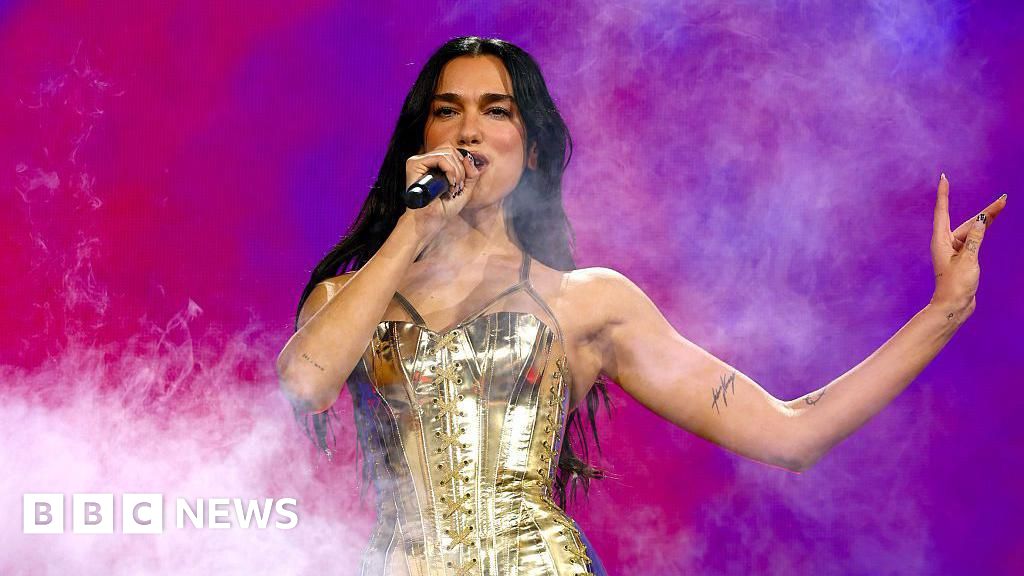
Notable artists represented by WMG, including global superstars like Dua Lipa, Coldplay, and Ed Sheeran, will have the opportunity to opt into this program, ensuring that their contributions are respected and acknowledged in AI-generated works.
A Transition into AI Music Creation
Starting in 2025, Suno will unveil new advanced models for its generative-AI music platform. The updated platform will empower users to create music by simply providing brief descriptions, which aligns with the growing trend of making music creation accessible to a broader audience. With approximately 100 million users since its inception two years ago, Suno is poised to redefine how fans interact with music.
The launch of the 2026 model will also see a shift toward licensed content, where users will be required to pay for audio downloads. However, songs available under the free tier will continue to be playable and shareable, maintaining a balance between accessibility and revenue generation.
Empowering Artists in the Age of AI
WMG emphasized that this partnership marks a "first-of-its-kind" collaboration, opening up “new frontiers” in music creation while ensuring that artists are fairly compensated. The record label assured that artists and songwriters will retain complete control over how their voices, likenesses, and compositions are used in AI-generated music.
While specific names of participating artists have not been disclosed, the initiative reflects a systemic shift in attitudes toward AI within the music community. WMG is taking steps to ensure that the creative workforce is not left behind in this rapidly evolving landscape.
The Legal Battle Over Copyright Concerns
The partnership follows a heated legal dispute initiated by WMG and other major record labels against Suno and another similar platform, Udio. The lawsuit accused these companies of profiting from what the labels termed "wholesale theft" by generating tracks indistinguishable from those created by human artists.
In a climate where AI’s impact on the music ecosystem is a polarizing issue, the lawsuit highlighted significant concerns regarding copyright, authorship, and the preservation of artistic integrity. Just months prior to the lawsuit, around 200 prominent artists, including Billie Eilish and Nicki Minaj, banded together to voice their opposition to what they characterized as the "predatory" use of AI in the music industry.
The Debate: AI as a Creative Ally or Adversary?
Supporters of generative AI often argue that machine learning mimics human learning processes—reading, hearing, and observing past works to create new ones. This perspective posits that AI could serve as an ally in the creative process rather than an adversary, enabling new forms of artistic expression and innovation.
However, the recent legal struggles underscore an intense debate within the music industry about the implications of AI technology. As companies like WMG and Suno navigate these complex waters, the outcomes could set critical precedents for how AI is integrated into not just music creation, but various facets of creative industries across the board.
As developments unfold, the conversation around AI’s role in music continues to evolve, highlighting the intricate balance between technological advancement and the protection of artistic rights.



