

Bridging the Surgeon Gap: How AI is Revolutionizing Surgical Training
In an era where healthcare faces a severe surgeon shortage, innovative technology is stepping in to bridge the gap. Artificial intelligence (AI) is being explored as a potential solution to enhance surgical training for medical students by offering real-time, personalized coaching as they practice essential surgical techniques.
The Role of AI in Medical Education
At the forefront of this groundbreaking development is a tool created at Johns Hopkins University. This AI model is trained on extensive video footage of expert surgeons, allowing it to offer students immediate feedback while they practice procedures like suturing. Initial trials indicate that this technology could serve as a powerful adjunct to traditional methods, especially for students with some experience in surgery.
The Need for Innovation in Surgical Training
"As we all know, we’re at a pivotal time," says Mathias Unberath, a senior author and expert in AI-assisted medicine. With a growing number of patients and an insufficient number of trained surgeons, the demand for efficient medical education has never been higher. Current training methods, which often require an attending surgeon to observe and assess students, are simply unsustainable. Unberath emphasizes the necessity for scalable solutions: "We need to find new ways to provide more and better opportunities for practice."
Moving Beyond Traditional Assessment Models
Traditionally, medical students watch videos of seasoned surgeons and attempt to emulate what they observe. While some existing AI models can evaluate a student’s performance, they often fail to provide meaningful insights into the ‘why’ behind their ratings. "These models can tell you if you have high or low skill, but they struggle with telling you why," explains Unberath. The development team’s goal was to create an AI that not only assesses performance but also elucidates the specific areas that require improvement.
Introducing Explainable AI
The innovative approach taken by Unberath and his team incorporates what’s known as "explainable AI." In this context, the AI assesses how well a student performs a particular task—like closing a wound—and then offers precise guidance on improvement. This allows for a more informed learning process.
How it Works: Tracking Surgical Techniques
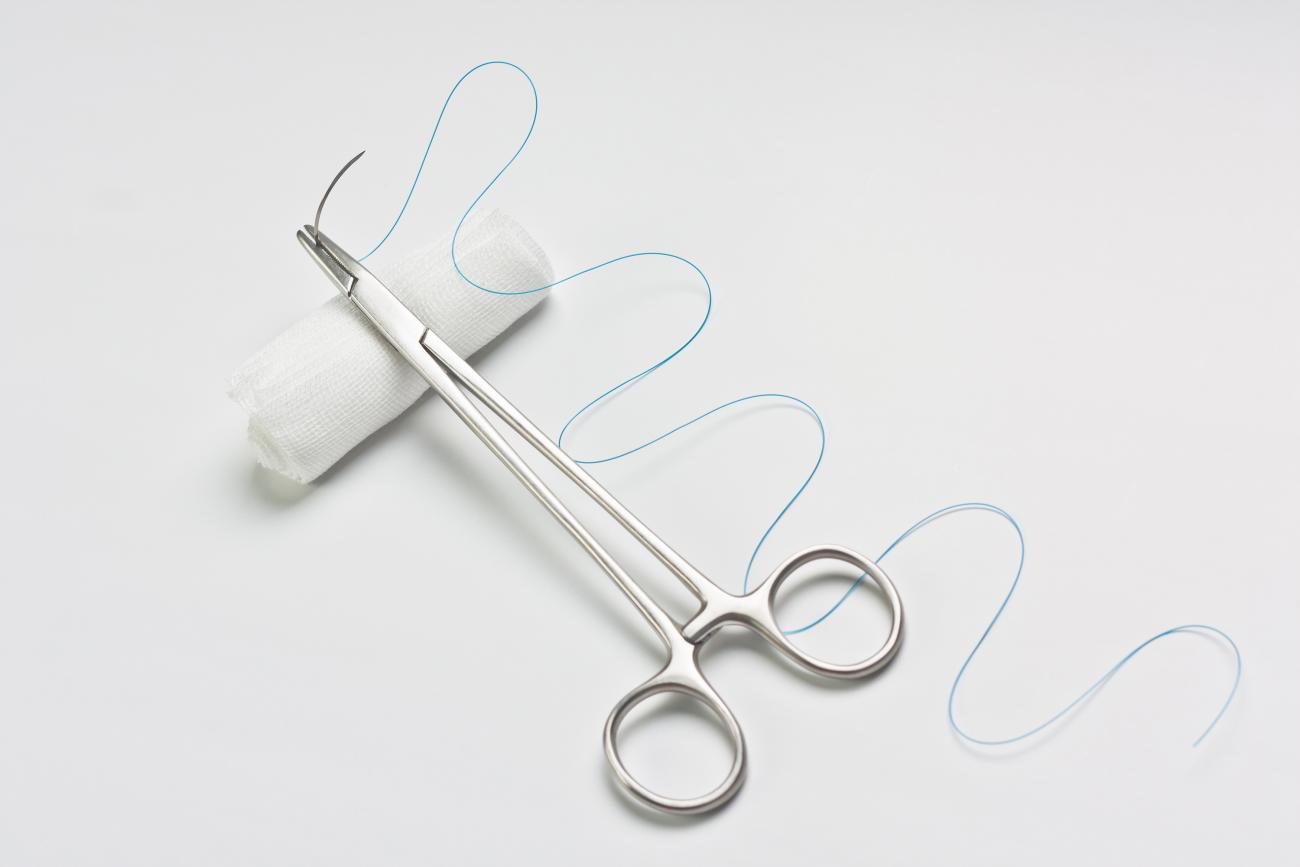
To develop this model, researchers meticulously analyzed the hand movements of expert surgeons as they performed suturing. As students practice their techniques, the AI can provide instant feedback, letting them know how closely their methods align with those of the experts. Catalina Gomez, a PhD student and the first author of the study, highlights the significance of this real-time feedback: "Learners want someone to tell them objectively how they did."
A Pioneering Study
A pivotal study was conducted to assess whether students learned more effectively through AI feedback or by watching videos. Twelve medical students with varying levels of suturing experience were randomly assigned to either of the two methods. Participants practiced closing an incision with stitches; some received immediate AI feedback, while others compared their performance to expert videos. The results were telling. Students who practiced with AI feedback demonstrated rapid improvement, particularly those with prior surgical experience. "For some individuals, the AI feedback has a substantial effect," notes Unberath.
Future Directions: Scaling Up Training
Looking ahead, the research team aims to refine their AI model for easier accessibility. The vision is ambitious: to enable students to practice in their own homes with a suturing kit and a smartphone interface. "We’d like to offer computer vision and AI technology that would allow someone to practice in the comfort of their home," Unberath points out. This approach could significantly expand the reach and effectiveness of surgical training.
Collaborative Efforts and Support
Support for this innovative work has come from various sources, including the Johns Hopkins DELTA Grant and the Link Foundation Fellowship in Modeling, Simulation, and Training. The collaboration of experts from Johns Hopkins and other institutions showcases the interdisciplinary effort required to solve complex problems in medical education.
By integrating AI into surgical training, the medical community is taking crucial steps to enhance education and ultimately improve patient care in an era of increasing demand and limited resources.



