

Unlocking Women’s Economic Potential: A Path to Global Growth
The Economic Imperative of Gender Equality
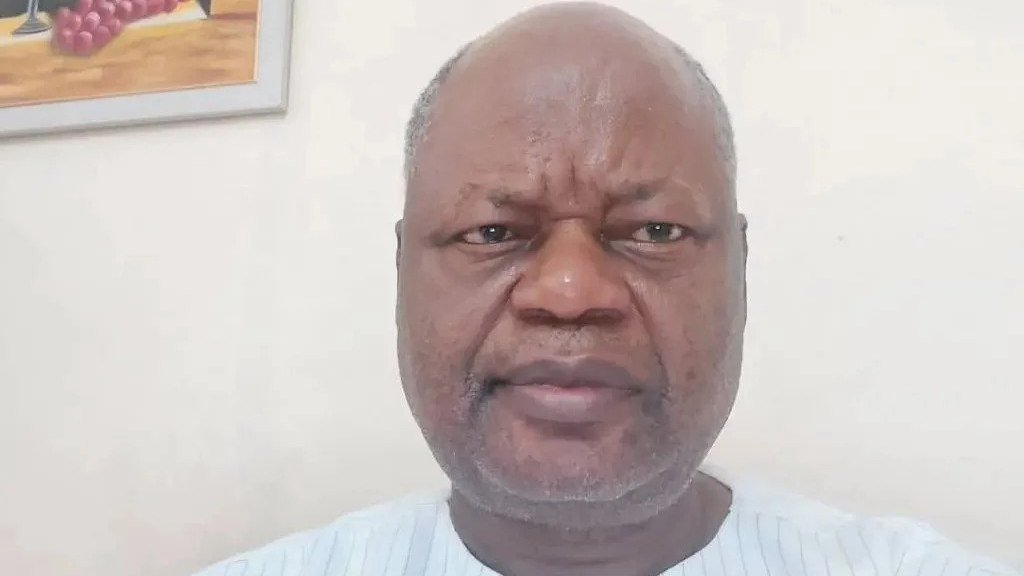
At a recent event in Abuja, Prof. Kenneth Ife, the President of the Institute of Professional Economists and Policy Management (IPEPM), emphasized the staggering financial impact that closing gender gaps could have on the global economy. His assertion that fully unlocking women’s economic potential could add an impressive $12 trillion to the global economy brings to light an urgent issue—countries, particularly Nigeria, cannot achieve inclusive or sustainable growth without prioritizing women’s participation in economic sectors.
Launching the Women in Economics and Development Foundation
The urgency of women’s economic empowerment was further accentuated during the launch of the Women in Economics and Development Foundation (WEDF). The event, themed "A Catalyst for Inclusive Growth and Sustainable Development," featured prominent speakers like Dr. Annette Mubarak, the Foundation’s founder, whose passion for empowering women shines through her vision. Mubarak believes that women can act as catalysts for economic transformation and digital innovation, an idea that resonates powerfully in today’s rapidly changing world.
Recognition of Women’s Contributions
Dr. Mubarak pointed out that women’s contributions in various fields, be it in classrooms, corporate environments, or governmental roles, often go unrecognized. This sentiment reflects a broader societal issue: the undervaluation of women’s roles in economic development. The WEDF aims to rectify this by offering programs focusing on capacity development, mentorship, and entrepreneurship, among others. Through these initiatives, the Foundation endeavors to spark a revolution of minds and opportunities—an assertion that aligns with the idea that women are not merely waiting for change but are, in fact, the change-makers.
Disparities in Leadership and Investment
Prof. Ife provided sobering statistics that illuminate the inequities faced by women in Nigeria’s economy. Despite making up about 49 percent of the population, women occupy a mere 22 percent of senior economic leadership positions. Such disparities extend into the realm of investment, where women receive less than 10 percent of available venture capital, despite constituting 43 percent of agricultural labor and representing one-third of businesses. These statistics serve as a wake-up call about the vital role women play in the economy and the systemic barriers they continue to face.
The Costs of Structural Inequities
The structural inequities highlighted by Ife come with a significant economic cost. He emphasizes that closing the gender gap in economic participation can fundamentally alter Nigeria’s economic landscape, contributing an additional $12 trillion to global output. This perspective sheds light on the broader implications of gender inequality—not just as a social injustice but as an economic miscalculation.
The Governance and Economic Resilience Connection
Furthermore, Ife makes a compelling case for the correlation between gender parity and governance. Countries that include women in economic decision-making roles often experience higher GDP growth and better advancement toward Sustainable Development Goals (SDGs). These include goals focused on poverty reduction, gender equality, decent work, and stronger institutions, illustrating that investing in women is not just a matter of equity but also of smart economic policy.
Call to Action for Policymakers and Private Sector Actors
In light of the insights shared, Prof. Ife challenges policymakers, institutions, and private sector actors to create frameworks and strategies that prioritize women’s involvement in key economic decisions. He advocates for platforms that would integrate women’s voices into economic discussions, stressing that unlocking this economic power is not only vital for Nigeria’s future but also for the development of Africa as a whole.
As Prof. Ife poignantly notes, unlocking women’s economic potential can lead to substantial boosts in GDP, healthier small and medium-sized enterprises (SMEs), more resilient households, increased employment opportunities, and improved governance. Each of these factors combines to create a more robust economic landscape, setting the stage for lasting, transformative change.



