

A Fed Pivot Towards Steep Rate Cuts: Implications for Global Inflation and India
Understanding the Current Economic Climate
As we navigate through December 2025, the global economic landscape has become increasingly complex. Persistently high inflation remains a challenge for advanced economies, while growth signals are beginning to weaken. On the horizon looms a potential shift in Federal Reserve policy that could have significant ramifications across the globe, especially for emerging markets like India.
The Fed’s Influence on Global Markets
The Federal Reserve (Fed), as the central bank of the United States, acts as an anchor for the global financial system. Its interest rate decisions ripple through financial markets, impacting everything from commodity prices to exchange rates. When the Fed raises rates, capital tends to flow back into U.S. markets, weakening currencies like the Indian rupee. Conversely, rate cuts encourage investment in riskier assets, bolstering emerging market currencies and expanding global liquidity.
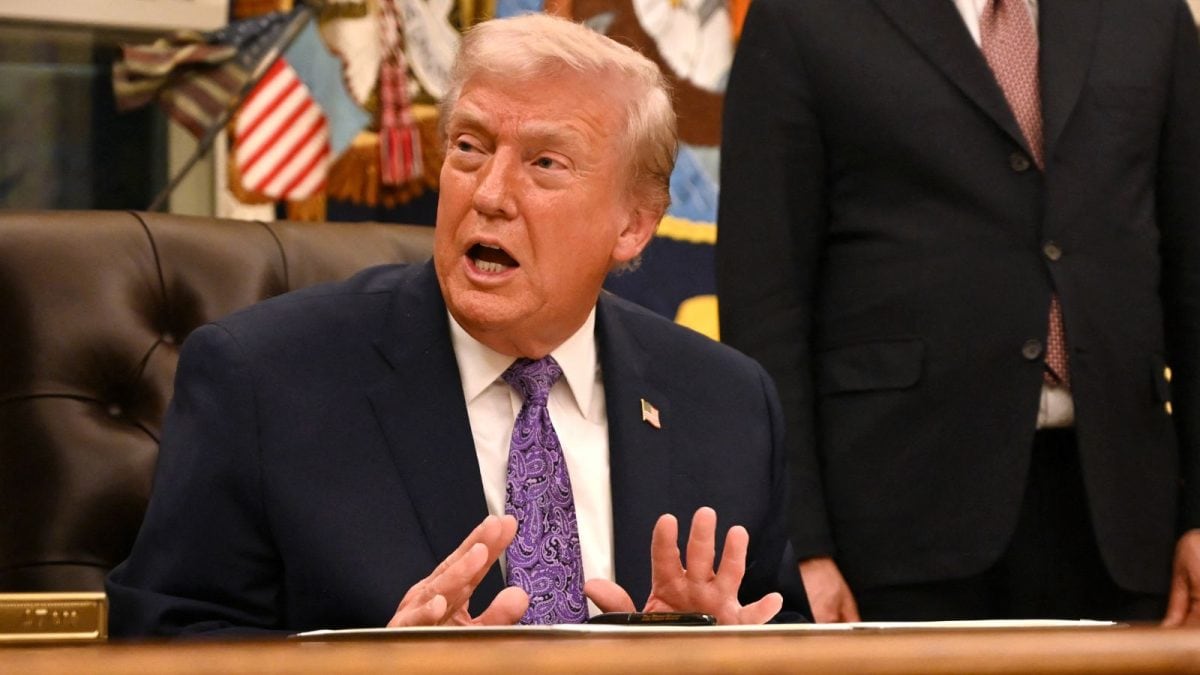
Given the current situation, President Donald Trump’s potential choice for the next Fed chair is a topic of intense speculation. If the nominee supports aggressive rate cuts, the implications could be profound, particularly given that inflation is already elevated in the U.S. and other parts of the world.
Demystifying Stagflation
What Is Stagflation?
Stagflation is a term that describes a troubling economic phenomenon: rising inflation occurs simultaneously with stagnating economic growth. Typically, inflation cools down when an economy slows, but stagflation defies that pattern, leading to price hikes even as people’s incomes stagnate or decline.
The stagflation of the 1970s serves as a cautionary tale. Back then, a surge in oil prices coupled with a weak manufacturing sector led to a long period of economic malaise. Policymakers found themselves caught between raising interest rates to curb inflation or cutting them to stimulate growth—each choice fraught with adverse consequences.
Why the Term Is Resurfacing
Currently, economists are voicing concerns about the return of stagflation due to several factors. Inflation rates in countries like the U.S., UK, and parts of Asia remain persistently high. Simultaneously, key economic indicators show signs of weakening growth, such as faltering manufacturing output and declining consumer spending. If high inflation persists while growth slows, the specter of stagflation becomes more than a theoretical discussion.
Global Economic Ramifications
The Role of the Fed Chief
The choice of the Fed chair can steer U.S. monetary policy for years to come. Should Trump appoint someone favoring sharp rate cuts despite ongoing inflationary pressures, we could see a rapid spike in global inflation. This is particularly concerning given that the dollar is the world’s reserve currency—any inflationary spillover from the U.S. will affect global markets swiftly.
Economic institutions like the International Monetary Fund (IMF) and World Bank have already warned about the dangers of missteps in policy-making, especially given the fragile state of many emerging economies.
India in the Global Context
India’s Relative Stability
While India has exhibited strong growth—recording an impressive 8.2% GDP expansion in the last quarter—this resilience does not equate to immunity from global shifts. The Reserve Bank of India (RBI) has managed to keep inflation in check (0.71% in November), thanks in part to its cautious approach. However, several structural vulnerabilities could amplify the effects of global stagflation on India.
Key Vulnerabilities
-
Dependence on Imported Energy: India’s reliance on imported fossil fuels means that any global inflation, especially in oil prices, would significantly increase the country’s import bill. This, in turn, could lead to a depreciation of the rupee and rising domestic inflation.
-
Fragile Labor Market: India grapples with high unemployment rates among its youth (especially those aged 15-29). A slowdown in global growth could weaken export markets, adversely impacting sectors pivotal to job creation.
-
Rural Economic Pressure: Rural incomes in India have suffered due to fluctuating agricultural prices and weather-related disruptions. Rising inflation combined with stagnant growth could diminish rural consumption, thereby hampering overall economic performance.
- Global Capital Inflows: A dynamic interplay exists between India’s reliance on foreign investments and the U.S. Fed’s actions. While initial rate cuts might bolster capital inflows into India, a subsequent rise in global inflation could prompt capital flight, leaving India’s financial markets significantly exposed.
The Ripple Effect on Indian Households
How could Trump’s choice for the Fed chair impact everyday Indian lives? A proactive Fed chief advocating for aggressive rate cuts could weaken the dollar, temporarily benefiting the rupee. However, if the RBI feels compelled to maintain high rates to combat inflation, household financing—whether for homes, cars, or other loans—could remain expensive, making economic mobility challenging for many families.
Increased import costs for essentials like energy and consumer goods would further squeeze household budgets, manifesting in rising prices for amenities ranging from groceries to electronics.
Navigating a Global Economic Crossroads
The world finds itself at a precarious juncture where central banks are shifting from combatting pandemic-induced inflation to balancing growth concerns. The evolution of U.S. monetary policy, particularly under Trump’s next Fed appointment, could be crucial in shaping economic conditions for years to come.
Strategies for India to Mitigate Risks
In light of these potential changes, India’s economic strategists must remain vigilant. Keeping a close watch on global oil prices, managing capital flows, and ensuring food price stability will be vital in mitigating inflationary pressures. Clear communication from policymakers can also help soothe market jitters and mitigate panic.
For households, a prudent approach is advisable: cautious borrowing, diversifying savings, and preparing for potential fluctuations in prices and EMIs will be essential as global conditions evolve.
As the global economy adapts, it’s vital to remain aware of how interconnected monetary policies can directly impact local economies. India must prepare not only to ride the waves of change but to proactively manage the challenges they bring.



