

The Global RAM Chip Shortage: An In-Depth Look
In today’s technology-driven world, memory chips, specifically RAM (random access memory), play a pivotal role in ensuring that our devices operate smoothly. This explosive demand for RAM—a situation exacerbated by the rise of artificial intelligence (AI)—has led to an ongoing global shortage that’s impacting a myriad of sectors. Understanding the intricacies of this shortage helps to shed light on potential consequences for consumers and industries alike.
The Surge in Demand for RAM
As AI technologies continue to develop and expand, particularly in cloud computing and data centers, the demand for memory chips has skyrocketed. Avril Wu, a senior research vice president at TrendForce, reveals that demand now surpasses supply by around 10%, and that gap is rapidly widening. For instance, companies are paying up to 50% more for DRAM (dynamic random access memory) compared to the previous quarter, indicating the steep increase in costs associated with securing these chips.
This surge in pricing isn’t just a minor hiccup; it could signify a lasting trend. Experts like Wu predict that DRAM prices might rise another 40% in the upcoming quarter and that a correction isn’t on the horizon for 2026. This stark prediction urges consumers to take action sooner rather than later, as devices dependent on these chips will inevitably reflect these rising costs.
The AI Factor: A Game Changer
AI workloads significantly influence the demand for RAM due to the unique requirements of training and inference systems. Sanchit Vir Gogia, CEO of Greyhound Research, notes that AI technologies demand large memory footprints and extreme bandwidth to function optimally. As businesses invest billions to construct data centers globally, the traditional cyclical nature of chip demand shifts. This isn’t merely a temporary spike—it’s a transformation in the market dynamics.
Gogia asserts that the need for memory is so integral to the performance of AI that reducing chip demand is not a feasible option without compromising efficiency. As more companies pivot towards AI-driven solutions, memory demand will only continue to grow.
Implications for Producers and Consumers
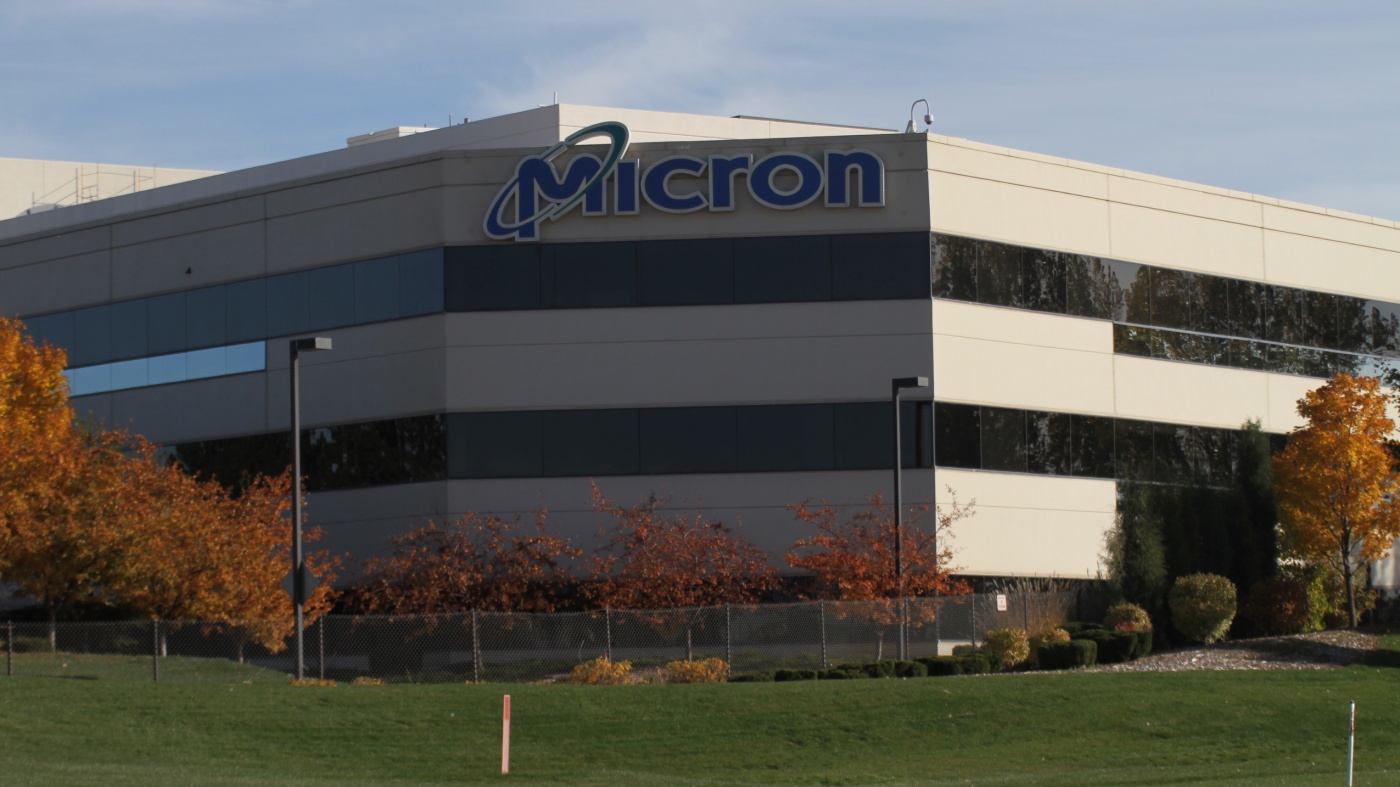
Among those benefitting from this demand surge is Micron Technology, a leading RAM manufacturer based in Idaho. Micron has reported stronger-than-expected earnings and predicts a sustained market for memory chips as AI technologies proliferate. Its CEO, Sanjay Mehrotra, emphasizes that the industry supply will likely remain below demand levels for the foreseeable future, a statement that should raise eyebrows in sectors that rely on chips for personal devices and products.
As chipmakers like Micron realign their production priorities to satisfy AI demands, the ramifications for other markets become clear. There will inevitably be fewer chips available for consumer electronics such as PCs, smartphones, and gaming consoles, which in turn could lead to increased prices across various markets.
Supply Chain Bottlenecks and Future Outlook
Analysts are cautious about short-term fixes—the bottleneck in memory chip production signifies a significant hurdle. By the end of 2026, it is anticipated that current production facilities may hit their capacity limits. The only large-scale factory expected to alleviate some of this shortage is a new facility being built by Micron in Idaho, scheduled to become operational in 2027.
Even as manufacturers strive to expand their capabilities, Wu warns that these efforts may not meet the insatiable slake of market demand. Higher prices appear inevitable as suppliers adjust to ongoing market conditions, putting pressure on manufacturers and their customers alike.
The Ripple Effects Across Industries
The ramifications of the RAM chip shortage aren’t confined to the tech industry. As Dell Technologies COO Jeff Clarke indicates, the rising prices of PCs will likely flow down to consumers, making technology less accessible to the general populace. This situation brings to light broader economic implications, underscoring how advancements in AI can inadvertently create challenges across multiple sectors.
In conclusion, the ongoing RAM shortage derived from an unprecedented surge in AI-driven demand highlights the complex interplay of technology and market dynamics. As we navigate this evolving landscape, it becomes essential for consumers, businesses, and manufacturers to remain vigilant and adaptable in the face of these challenges.