

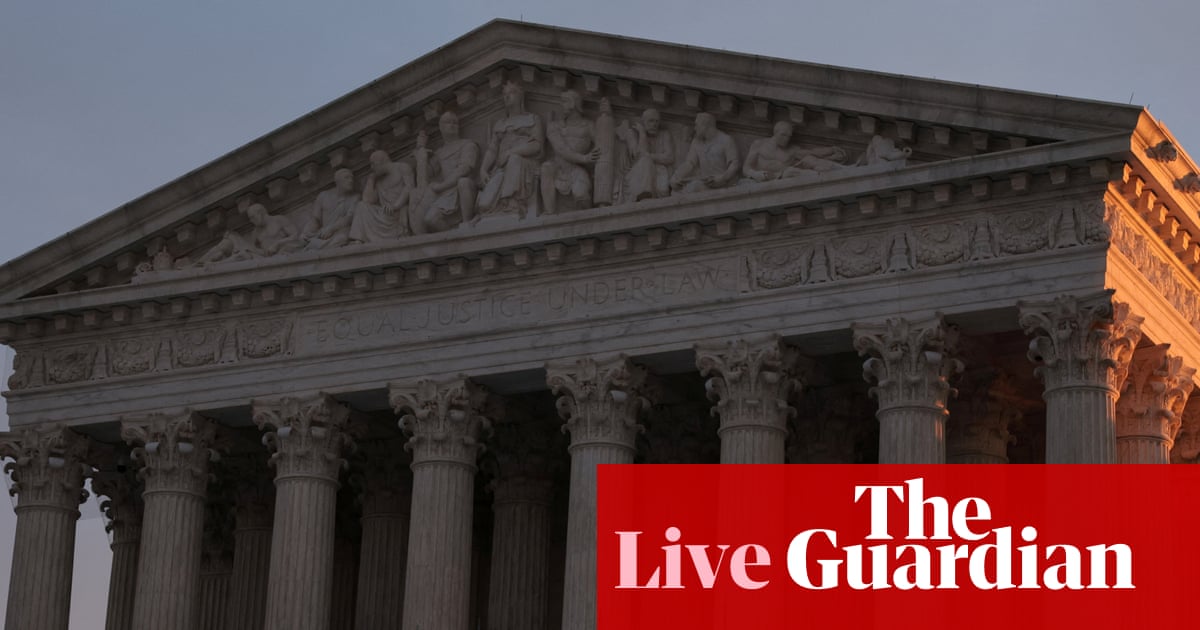
US Supreme Court Ruling on Trump’s Tariffs to Impact Global Economy
As we await a significant decision from the US Supreme Court regarding President Donald Trump’s tariffs, the implications of this ruling could reverberate across the globe, affecting international trade and economic policies. Today’s ruling, anticipated at 10:00 AM ET, is poised to address a legal challenge against Trump’s controversial tariffs imposed last year.
Background on the Tariffs Case
The case centers on whether Trump overstepped his presidential authority when he enacted tariffs on various imports from key trading partners. Critics have argued that Trump invoked a 1977 law designed for national emergencies to impose these tariffs, which many see as an inappropriate application of this power.
Lower courts have sided with businesses from twelve states affected by these tariffs, suggesting that the president does not possess the authority to unilaterally impose such levies without Congressional approval. As the Supreme Court deliberates, the outcome will likely set a precedent for the scope of presidential power in trade matters.
Implications of a Ruling Upheld
If the Supreme Court upholds the lower court’s decision, it could mark a significant shift in the United States’ approach to international tariffs and trade relations. Such a ruling would not only challenge Trump’s administration but would also compel the government to rethink its trade strategies. The tariffs, which were intended to protect American industries, could be rescinded, leading to potential drops in prices for consumers and a return to pre-tariff trading conditions.
International stakeholders will be watching closely. Economic analysts warn that any disruption to tariff policies could unsettle markets already grappling with the fallout from existing tensions. With China recently reporting a record trillion-dollar trade surplus despite these tariffs, the effectiveness of Trump’s trade strategies is increasingly in question.
Recent Developments in Minneapolis
Simultaneously, Minneapolis has been the focus of intense media scrutiny following the shooting death of Renee Good by an ICE agent, which has sparked protests throughout the city. The federal response has included deploying additional officers to manage demonstrations and enforce immigration laws, adding a layer of tension to an already volatile situation.
Protesters have expressed anger over the visible presence of federal agents. Video footage of aggressive arrests and confrontations has surfaced, showcasing a divide between federal authorities and local communities wary of the implications of Trump’s immigration policies.
Public Sentiment on Immigration and Tariffs
Amid the turmoil, public opinion appears to be shifting. A recent Reuters/Ipsos poll indicates a significant portion of Americans disapprove of Trump’s attempts to acquire Greenland, with only 17% supporting the notion of annexation. Concerns also persist regarding the potential ramifications of using military force in such matters, with 66% of respondents expressing worries that this could damage US relationships with NATO allies.
Furthermore, ongoing resistance to federal officers in local areas reveals a growing apprehension regarding immigration policies, particularly in light of recent events in Minneapolis. As tensions mount, local officials have pursued legal channels to challenge federal actions, framing them as an invasion of their communities.
Trump’s Continued Rhetoric
Trump has remained resolute in his stance on both tariffs and immigration, recently reiterating his intention to cut federal funding to "sanctuary cities." His assertions bolster a narrative of national security and economic protectionism, which his supporters champion. Yet, the effectiveness and legality of these strategies remain up for debate as legal challenges loom.
The Supreme Court’s ruling today may very well shape not only the future of Trump’s tariff policies but also reflect broader societal attitudes towards trade, immigration, and federal authority. The outcomes could significantly influence the political landscape moving forward, setting the stage for potential shifts in policy as the nation approaches the next election cycle.
As we wait for the high court’s decision, the convergence of these critical issues underscores the importance of understanding the interconnectedness of law, public sentiment, and government actions in shaping the future of the United States on both domestic and global fronts.



