

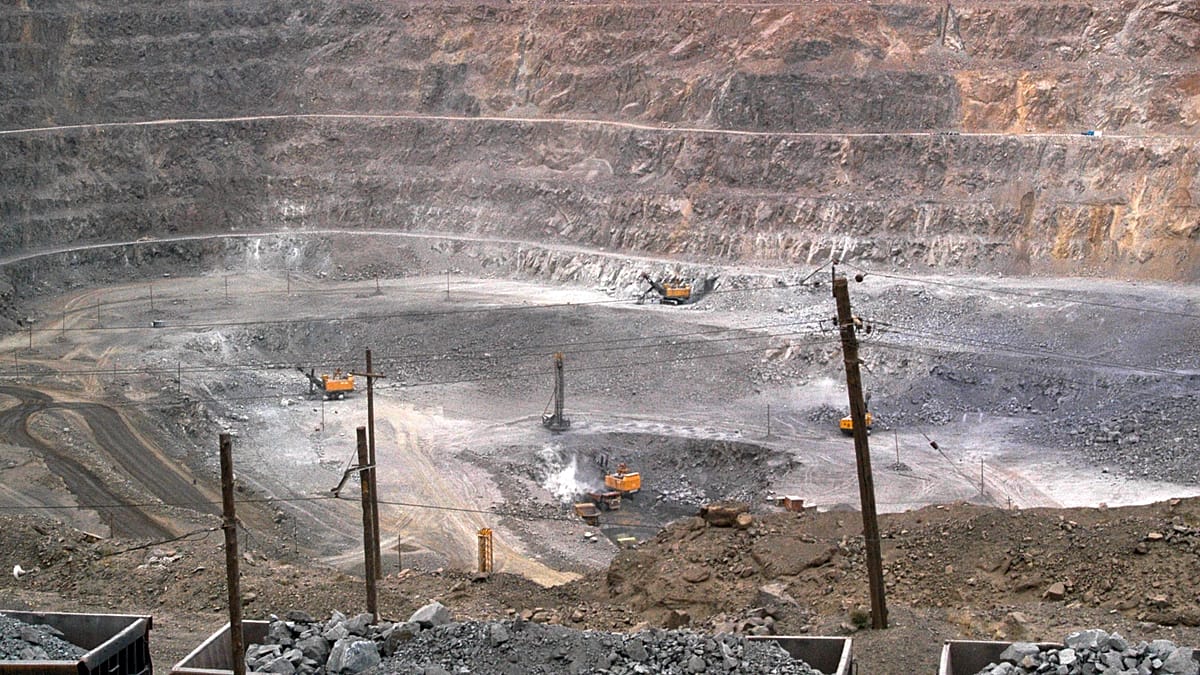
The Shift from Oil to Rare Earths: A New Era of Power Dynamics
For much of the past century, oil has been the backbone of the global economy, serving multifaceted roles that shaped both wealth and geopolitical landscapes across the world. Oil fueled factories, powered transport networks, and was pivotal in trade. Control over crude oil flows often translated into significant advantages in terms of inflation rates, industrial output, and even the outcomes of wars. But just as civilization once transitioned from wood to coal, we now stand on the cusp of a new transformation, foreseeing a shift from “black gold” to a different kind of strategic commodity: rare earth elements.
The Continued Relevance of Oil
While the foundations of global power are changing, the influence of oil remains potent. Global consumption still surpasses 100 million barrels per day, and despite the growing narrative around renewable energy, many forecasts suggest that oil demand will sustain itself into the 2030s. The oil market is designed for scale and flexibility, with crude oil capable of being shipped internationally, stored for emergencies, and traded through established, liquid benchmarks. When disruptions occur, the system tends to rebound, albeit with some challenges.
However, as economies electrify and digital technologies infiltrate various sectors, the spotlight is now on a different category of resources—rare earth metals. These elements are not just energy carriers; they are integral to the technologies that drive automation, electrification, and the digital infrastructure that defines modern economies.
Rare Earths: The Backbone of the Future
Rare earth elements, particularly neodymium and praseodymium, are critical in creating permanent magnets used in electric vehicles (EVs), wind turbines, robotics, and advanced military hardware. Their utility is also expanding into sectors like data centers and artificial intelligence (AI), making them indispensable for future technologies.
A recent analysis from Bank of America highlighted the burgeoning demand for neodymium magnets, predicting a compound annual growth rate of 9% through 2035. This growth is primarily driven by advancements in passenger EVs, projected to see an annual increase of around 11%, and robotics, which could surge by nearly 29% per year. For the United States, the numbers are even more striking: magnet demand is expected to grow fivefold by 2035, with Europe also experiencing significant increases.
The Supply-Demand Discrepancy
Despite the surging demand for rare earths, the supply chain is not positioned to keep pace. Europe, for instance, relies almost entirely on external sources, as it lacks domestic mining and processing facilities for rare earths. This reliance creates a structural vulnerability within the region as demand continues to rise.
China dominates the rare earth landscape, producing approximately 90% of the world’s neodymium and praseodymium, and holding a significant 49% of global rare earth oxide reserves. The complexity of processing rare earth materials makes these supply chains particularly sensitive; not only does China control a vast portion of extraction, but it also oversees around 87% of global processing capacity—turning raw materials into usable products.
The Bottlenecks of Processing and Manufacturing
The challenges intensify when we delve into the processing and manufacturing stages of rare earths. Unlike oil, which is traded as a commodity, rare earths require intricate processing that is both environmentally challenging and capital-intensive. China has recently enacted export controls that mandate licenses and end-use disclosures, further complicating the landscape for countries looking to secure supplies.
As we talk about “physical AI,” a term coined by market analysts to describe the hardware components necessary for AI systems, rare earths emerge as a core focus. The integration of AI technologies involves an array of hardware like motors, sensors, and batteries—most of which depend heavily on rare earth elements. Yet, despite the West’s efforts to establish its own robust supply chains, it remains dependent on Chinese processing capabilities, creating a strategic vulnerability that is difficult to mitigate within the necessary timelines for technological advancement.
A New Form of Economic Power
Despite the ongoing race to decarbonize the global economy, oil maintains an irreplaceable role. Its cost continues to impact inflation and influence international trade balances. However, as we navigate this new industrial age characterized by automation and electrification, the significance of rare earths is intensifying. They are not just the stuff from which technology is built; they are now central to who gets to dictate the terms of future economic participation.
In this evolving milieu, dominance is shifting from merely controlling fuel supplies to controlling the bottlenecks associated with rare earth processing and manufacturing. As oil continues to act as the lifeblood of the present economy, rare earths are positioning themselves as the gatekeepers of our technological future. The implications for producers, governments, and global relations are profound, setting the stage for a new geopolitical landscape where access to raw materials may just be as crucial as access to energy itself.



