

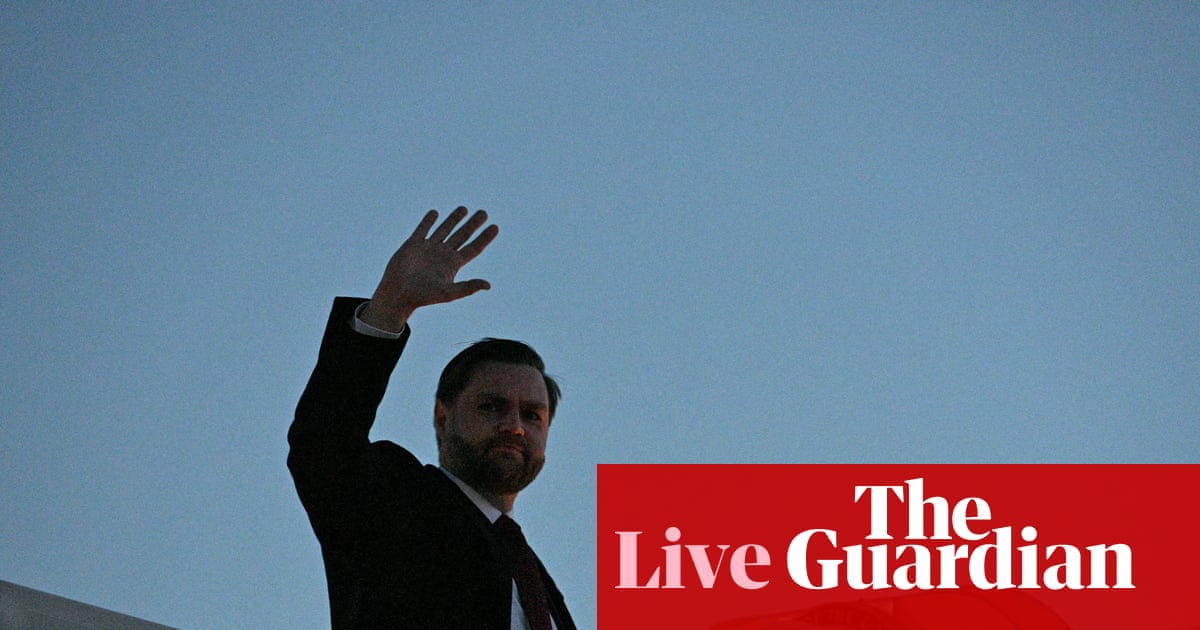
Vance to Visit Minneapolis Amid Protests Against Immigration Enforcement
As tensions rise across the United States regarding immigration enforcement practices, particularly in response to a recent fatal incident in Minneapolis, Vice President JD Vance is set to visit the Twin Cities. His arrival comes during a time when protests have gained momentum in reaction to the shooting of Renee Nicole Good by an ICE agent. This tragic event has reinvigorated public discourse around immigration policies and their enforcement.
The Vice President’s Itinerary
Vance’s itinerary for the day includes a closed-door meeting with ICE agents followed by a roundtable discussion with local business leaders and officials. Although the press will not have access to these early engagements, Vance is scheduled to deliver public remarks at 2:40 PM ET. His visit aims to highlight the administration’s policies and responses to ongoing protests in Minnesota.
Prior to his engagement in Minneapolis, Vance will make a stop in Toledo, Ohio, to emphasize the administration’s economic agenda—a broader initiative that supporters argue is critical for economic growth and community support.
The Protests in Focus
The protests in Minneapolis have highlighted issues surrounding federal immigration enforcement, exacerbated by the recent shooting. Activists argue that the militarized nature of ICE operations poses a threat not only to undocumented individuals but also to community safety and civil rights. Demonstrators have taken to the streets advocating for reforms in immigration policy and accountability for federal agents.
Public sentiment in the area is reportedly shifting, with many citizens calling for heightened scrutiny of ICE practices. Various community groups and local leaders are joining forces to demand a more humane approach to immigration enforcement.
Legal Developments Regarding ICE Operations
In the backdrop of these protests, significant legal rulings have also emerged. An eighth circuit court recently lifted restrictions on ICE’s use of force against protesters, a decision that has drawn sharp criticism from civil rights advocates. It follows a preliminary injunction by a U.S. district judge that curtailed tactics employed by ICE against demonstrators, citing the detrimental impact on First Amendment rights.
Judge Katherine Menendez expressed concern about the detrimental effects federal officers’ actions were having on free speech and public assembly. This ruling reflects widespread unease regarding the aggressive tactics used by ICE, which many now view as a violation of fundamental rights.
Responses from Political Leaders
Political responses have varied, with some figures defending the jurisdiction and operational policies of ICE, while others condemn recent actions taken by the agency. Notably, Attorney General Pam Bondi labeled the appeals court decision a "victory," dismissing earlier rulings as attempts to undermine federal law enforcement. Her remarks underscore the contentious political climate surrounding immigration enforcement in the U.S.
On the other side of the aisle, Senator Patty Murray emphasized the need for more significant reforms within the Department of Homeland Security (DHS). She asserts that Democrats need to reclaim political power to enact substantive change in policies affecting immigration. Her comments mirror frustrations expressed by other congressional Democrats regarding the agency’s operations.
The Broader Context of ICE Enforcement
Recent ICE activities, including the detention of a five-year-old boy in Minnesota, have further intensified public outrage against the agency. Critics argue that using children in enforcement actions not only raises ethical questions but also heightens fears within immigrant communities. Such incidents have spurred discussions about the effectiveness and morality of current immigration enforcement strategies.
The ongoing backlash highlights a growing movement advocating for comprehensive reform that prioritizes public safety and human rights. As the nation grapples with these complex issues, Vance’s visit to Minneapolis is likely to draw scrutiny from both supporters and opponents of the administration’s policies.
Concluding Remarks: Ongoing Developments
As JD Vance prepares for his visits and various engagements today, the undercurrents of frustration, outrage, and demand for change continue to shape the narrative surrounding immigration enforcement in the U.S. It is a pivotal moment that will likely influence ongoing public sentiment and policy discussions in the months to come. Keep an eye on developments as they unfold, as this story is far from finished.



