

Day of Truth & Freedom: Minnesota Takes a Stand Against ICE
A Collective Call for Action
On a frigid Friday in January 2026, Minnesota saw a powerful and unified expression of dissent. Community leaders, faith figures, and labor unions joined forces for a “no work, no school, no shopping” blackout day. This action was primarily aimed at protesting against the heightened presence of Immigration and Customs Enforcement (ICE) in the state, following the tragic death of Renee Good—an unarmed woman fatally shot by a federal immigration officer in Minneapolis.
Understand the Urgency
The protest, dubbed the Day of Truth & Freedom, came in response to not only the death of Good but the broader issues surrounding immigration enforcement in the region. Activists raised a clarion call, demanding ICE withdraw from Minnesota, accountability for the officer involved in Good’s death, the cessation of federal funding to ICE, and a thorough investigation into the agency’s practices for potential human rights violations.
Widespread Support from Local Businesses
In solidarity with the demonstrators, a significant number of local businesses chose to close their doors for the day. This collective act of defiance not only showcased the widespread support for the protest but also emphasized the community’s commitment to standing against what they perceive as unjust immigration policies. The Minneapolis city council formally endorsed this day of action, further solidifying the movement’s legitimacy and urgency.
Marching in the Cold
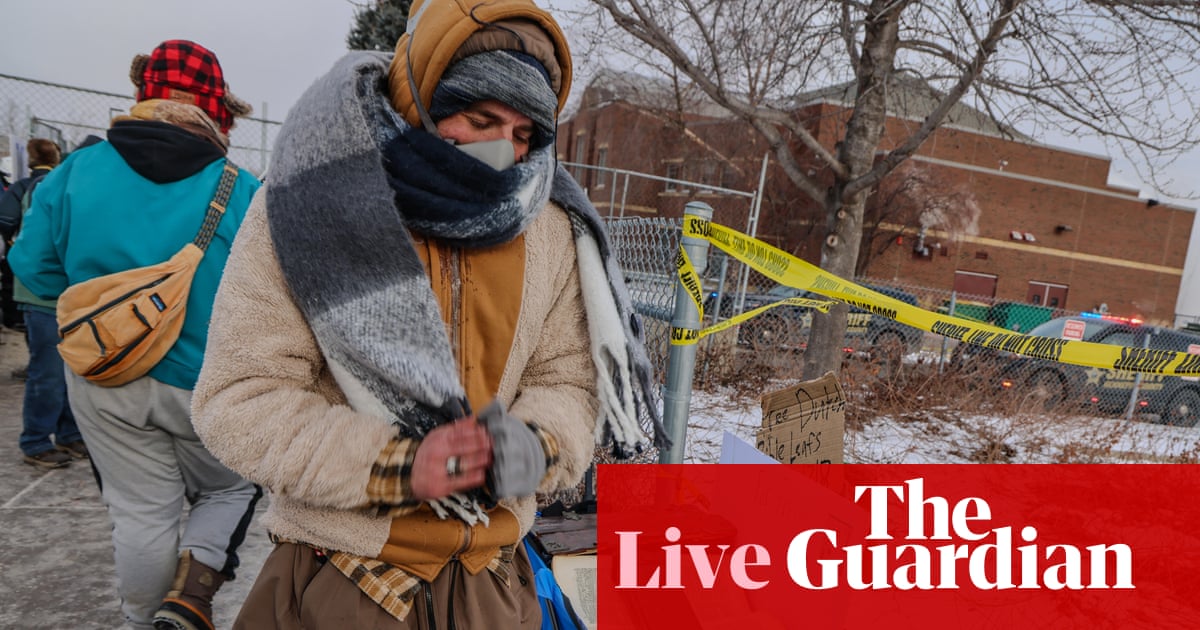
Despite the forecasted subzero temperatures, activists did not waver. Organizers like Chelsie Glaubitz Gabiou, president of the Minnesota Regional Labor Federation, AFL-CIO, encouraged participation by underscoring the strength of the northern community in the face of adversity. With wind chills reaching -20F, the resilience displayed during the march was a testament to the passionate commitment of protesters who braved the harsh weather to advocate for their rights.
The Role of Labor Unions
The Minnesota AFL-CIO, representing over 1,000 local unions, officially endorsed the blackout day. Labor unions, historically tied to civil rights and social justice movements, recognized the alignment of workers’ rights with the rights of immigrants. The sentiments echoed in speeches from leaders like David Huerta of SEIU California emphasized the unity of struggles across racial and economic lines, stating that the fight against oppression transcends singular issues and unifies diverse communities.
Personal Stories Fuel the Movement
While the protest was characterized by large-scale demonstrations, smaller, personal stories of solidarity emerged as powerful catalysts for change. Activists and members of the community were encouraged to share their experiences and narratives throughout the day. These stories fostered connection and empathy among participants, reinforcing the emotional gravity of the movement.
Political Context
In a larger political context, the protest highlights ongoing tensions between ICE and communities, particularly within Democratic-led areas. The escalation of ICE operations has led to chaos and fear among immigrant populations, igniting resistance movements aimed at protecting these vulnerable communities.
The Broader Implications
Understanding the Day of Truth & Freedom is vital for contextualizing challenges faced by immigrant communities in Minnesota and across the nation. It raises critical questions about the implications of federal immigration policies, community safety, and moral responsibility towards migrants and refugees.
By standing together, protesters sent a clear message to officials: they demand immediate action and an end to perceived injustices impacting their neighborhoods and families. The coming weeks will likely reveal both the challenges and the potential progress stemming from this pivotal moment in Minnesota’s activism landscape.



