

St. Bonaventure’s Spring Convocation: Embracing the Future of AI in Higher Education
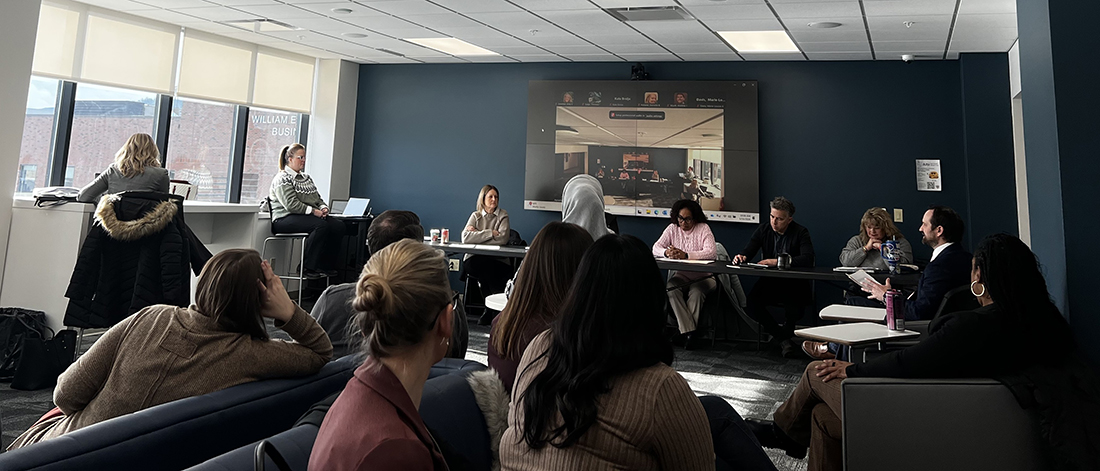
On January 16, 2026, St. Bonaventure University hosted its Spring Convocation, a significant gathering that drew nearly 300 faculty and staff members passionate about the transformative power of artificial intelligence (AI) in higher education. This event aimed to explore the myriad opportunities and challenges presented by AI, creating a dynamic atmosphere for dialogue, collaboration, and practical engagement among participants.
A Day of Exploration and Engagement
The AI-themed convocation unfolded over four hours, anchored by a compelling keynote address at the Quick Center. Offering a mix of breakout sessions and panel discussions, the event was meticulously designed to address various aspects of AI, including pedagogical, ethical, operational, and student-centered perspectives. This multifaceted approach allowed participants to engage deeply with the content most relevant to their roles within the university.
Attendees were presented with a choice of three 45-minute sessions, empowering them to tailor their experience based on their specific interests and professional responsibilities. This customization fostered a more personalized learning environment, making the convocation accessible and impactful for each participant.
Keynote Address: Setting the Tone
The day commenced with a thought-provoking keynote address by Dr. Corey John Maley, an associate professor of philosophy at Purdue University. Dr. Maley’s expertise revolves around the nature of computation, both in artificial systems like AI and natural systems like human cognition. His insights laid a reflective foundation for the day, emphasizing the importance of conceptual clarity, intellectual humility, and an awareness of the limitations of current AI capabilities.
Breakout Sessions: An Inside Look
Throughout the morning and early afternoon, faculty and staff delved into concurrent breakout sessions that addressed both introductory overviews and advanced applications of AI in educational settings. These sessions covered a wide range of topics, including:
-
Designing AI-Resilient Assignments: Exploring ways to integrate AI into the curriculum while ensuring students engage meaningfully with the material.
-
Using ChatGPT’s Socratic Mode: A session dedicated to leveraging ChatGPT in fostering student reasoning and critical thinking.
- Integrating Tools for Efficiency: Presentations on how tools like Google’s NotebookLM can streamline coursework and enhance learning experiences.
Multiple sessions specifically focused on teaching and assessment practices, examining how AI impacts student writing, and discussing generative AI in scientific disciplines. Many of these workshops encouraged an educational shift that prioritizes process and conceptual understanding over mere end products.
Addressing Broader Questions of AI
In addition to practical applications, several sessions tackled broader societal issues and institutional considerations surrounding AI. Panels examined AI’s impact on society and the delicate balance between artificial and human intelligence. Critically, student perspectives were woven throughout the discussion, with a dedicated panel highlighting their experiences and expectations regarding AI in education.
A unique aspect of the convocation was the engagement between faculty and student representatives from the President’s AI Commission. This open dialogue allowed participants to voice their hopes, concerns, and ideas for future AI-related initiatives within the university.
Survey Insights: A Positive Reception
Feedback collected through a post-Convocation survey revealed a resoundingly positive response from attendees. A remarkable 84% reported that they found the event either highly valuable (54%) or somewhat valuable (30%). Dr. Mike Hoffman, co-chair of the university’s Presidential Commission on AI, remarked on the unprecedented enthusiasm among participants, noting, “There is a real desire here for people to understand how we can best utilize AI in the most practical and ethical ways.”
Interestingly, the survey indicated that participants approached AI with a sense of measured curiosity rather than fear or sensationalism. Many expressed intentions to rethink assignment design, clarify AI usage expectations in syllabi, and view AI as a tool for enhancing brainstorming and organizational efficiency rather than a replacement for human judgment or creativity.
A Commitment to Transformative Education
St. Bonaventure University is recognized as the nation’s first Franciscan university, dedicated to transforming students’ lives both inside and outside the classroom. The Spring Convocation epitomized this commitment by fostering an environment of inquiry and discussion surrounding the role of AI in enriching educational experiences.
With remarkable rankings in value and overall performance by U.S. News and World Report, St. Bonaventure continues to inspire a commitment to academic excellence and lifelong civic engagement among its diverse community. As these conversations around AI evolve, so too will the university’s efforts to ensure that technology enhances rather than replaces the invaluable human element in education.



