

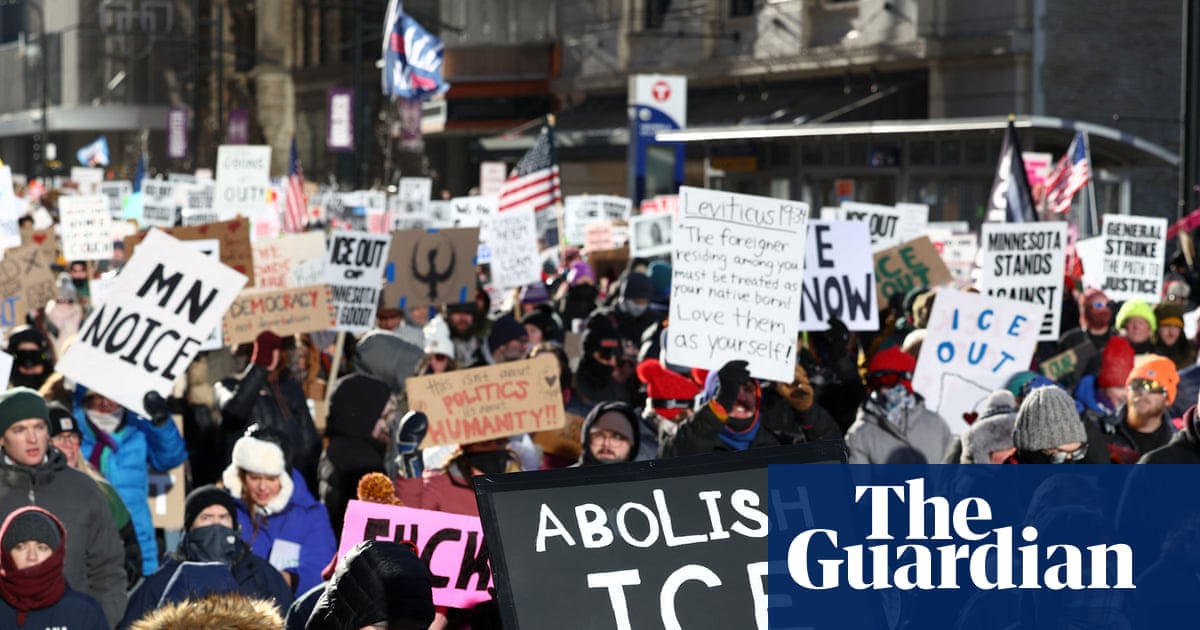
Nationwide Protests: “ICE Out of Everywhere”
Today marks a significant moment in the ongoing fight against the practices of Immigration and Customs Enforcement (ICE), as over 300 demonstrations are anticipated across all 50 states and Washington, D.C. Under the banner of “ICE Out of Everywhere,” these protests, organized by grassroots groups like 50501, are a response to a spate of recent violence associated with federal immigration agents.
A Necessary Response to Tragedy
The recent protests come in the wake of multiple tragic incidents involving ICE officers, including the fatal shootings of Alex Pretti and Renee Good in Minneapolis. These events, alongside the homicide of Geraldo Campos in a Texas immigration detention facility and the shooting of Keith Porter Jr. by an off-duty ICE officer in Los Angeles, have galvanized activists. They argue that these deaths exemplify what they see as a systemic pattern of excessive force and abuse in immigration enforcement.
Hunter Dunn, a national press coordinator for 50501, remarked, “The national day of action is about fighting back against the escalations that the Trump administration has taken against the American people over the past year.” Dunn’s sentiment reflects a growing awareness among many citizens who, until now, might have remained unaware of the severity of the situation.
Varied Forms of Protest
The demonstrations are set to take various forms, including vigils for victims of ICE actions, overpass banner displays, sidewalk protests, marches, and community training sessions. These sessions aim to empower individuals to observe ICE activities and push local officials to address the ongoing immigration crackdown. From California to Maine, activists plan to gather outside ICE detention centers, field offices, and congressional offices, while others will take their message to airports to protest airlines complicit in deportations.
Economic Pressure on ICE Operations
Among the critical demands emerging from these protests is the call for lawmakers to block funding for the Department of Homeland Security (DHS) until ICE and Customs and Border Protection (CBP) are removed from communities. Recently, Democratic senators have made efforts to advance government spending bills but have continued to advocate for ICE reforms, including a demand for a clear code of conduct.
Activists are not stopping at legislative advocacy; they’re also applying economic pressure to disrupt the network supporting ICE operations. The “No Housing for ICE” campaign encourages people to boycott hotels that provide accommodation to ICE agents during operations. Protesters plan to target these hotels with demonstrations, negative online reviews, and direct calls urging management to sever ties with ICE.
Community and Business Resistance
Another initiative, #DontServeICE, seeks to persuade local businesses—from restaurants to shops—to refuse service to ICE agents. Organizers argue that this stance should extend to major corporations as well, with protests aimed at retailers like Target and Home Depot, which have reportedly detained shoppers and employees in collaboration with ICE. The protests emphasize that businesses should take a stand against immigration enforcement activities.
Building on Previous Actions
The events of today build upon a growing wave of protests that have surged since the January 7 shooting of Renee Good. On January 23, tens of thousands of demonstrators marched in Minneapolis, demanding that ICE vacate the city. The rallying cry of “No work, no school, no shopping” resonated loud enough to impact local businesses, prompting many to close their doors in solidarity. The protests continued to amplify, culminating in calls for a national shutdown, which drew participation from diverse communities across the country—evidence of a heightened urgency surrounding immigration issues.
A Collective Fight for Accountability
As protests unfold, reiterating calls for comprehensive accountability, activists emphasize that their demands—specifically, legal consequences for ICE officers involved in civilian deaths—remain largely unaddressed. The movement is driven by a desire for justice not only for those who have lost their lives but also for communities grappling with the consequences of aggressive immigration enforcement policies.
Minister Janae Bates Imari, co-executive director of the Minneapolis interfaith organization Isaiah, highlighted the perseverance of activists: “It felt like the cold and the fear from our own federal government threatened us, but we have not let it stop us.” The resolve among demonstrators underscores their commitment to push forward until real change is achieved and ICE is removed from their communities.
Through organized protests, community actions, and a call for accountability, today’s demonstrations represent a critical moment in the ongoing struggle against ICE and its practices. These actions illustrate the power of grassroots movements to unite individuals across the nation in pursuit of justice and reform.



