

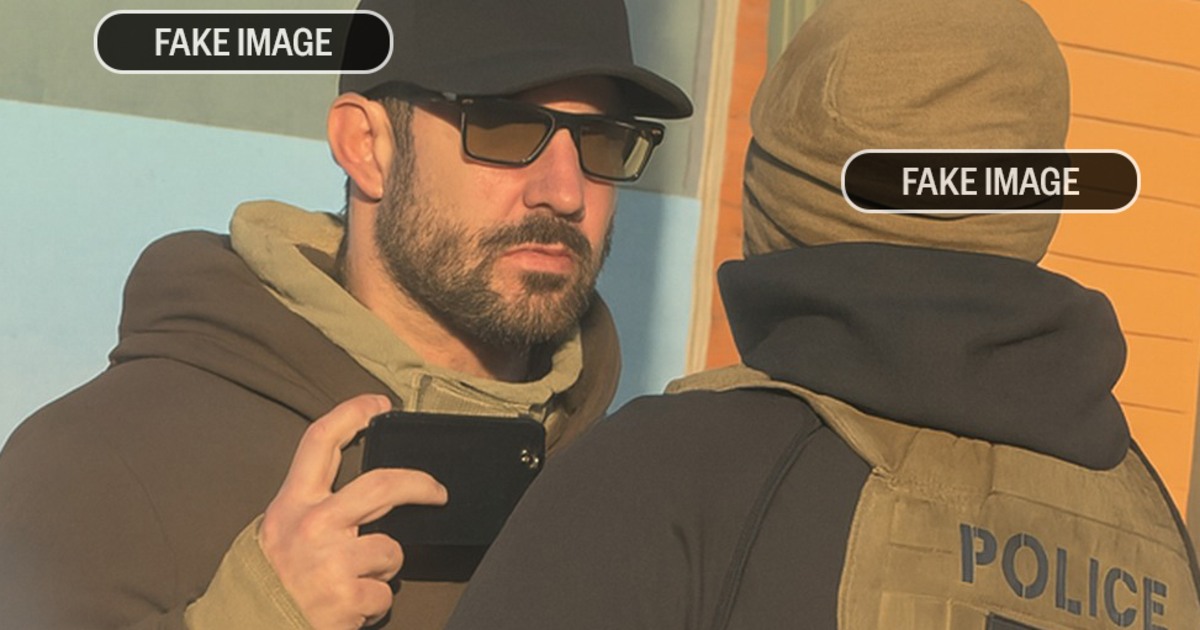
The Troubling Rise of AI-Edited Media After Alex Pretti’s Shooting
In the wake of Alex Pretti’s tragic shooting by federal officers in Minneapolis, the internet has witnessed an unprecedented surge of AI-manipulated images and videos depicting his final moments. These altered media have spread rapidly across platforms like Facebook, TikTok, Instagram, and X (formerly Twitter).
The Nature of AI-Altered Imagery
The proliferation of these AI-generated depictions is particularly concerning, as many appear to be based on verifiable sources, creating a chilling resemblance to reality. While traditional deepfakes often involve wholly unrealistic scenarios that can be easily flagged as fake, the manipulation seen in images of Pretti often blurs these lines. This deliberate alteration confuses viewers and complicates the narrative surrounding the event itself.
Misleading Authenticity and False Skepticism
As awareness of the capabilities of advanced AI grows, so does the skepticism surrounding authentic media. Some users online are using this awareness to dismiss genuine footage and images of Pretti, incorrectly asserting that they too have been altered. This phenomenon could contribute to what experts refer to as the "liar’s dividend," where misinformation proliferates in a way that undermines trust in credible sources, allowing bad actors to evade accountability for their actions.
Viral Misrepresentations
Among the notable images circulating is one that clearly shows an ICU nurse falling forward as a federal officer points a firearm at his back—this image has received over 9 million views on X, despite community notes clarifying that it was enhanced using AI. Alarmingly, this particular image even features a glaring error: one officer appears without a head.
The ramifications of these viral misrepresentations extend beyond social media chatter. On a recent day in the Senate, Senator Dick Durbin displayed the AI-manipulated image in a speech, seemingly unaware of its inauthentic nature. A spokesperson for Durbin later expressed regret, stating, “Staff didn’t realize until after the fact that the image had been slightly edited.”
The Role of Video Content
In addition to static images, AI has influenced video content, further muddying the waters of truth and perception. An AI-generated TikTok video portrayed Pretti in conversation with an ICE officer, while another Facebook video featured a police officer supposedly discharging Pretti’s firearm—this has garnered over 44 million views, despite being labeled as AI-enhanced.
Ben Colman, co-founder of the deepfake-detecting firm Reality Defender, stated that the rapid circulation of AI-influenced media isn’t surprising yet remains deeply troubling. Given the series of deepfakes attempting to expose the identity of the ICE officer involved in Pretti’s shooting, many eyewitnesses have been incorrectly identified.
Implications on Public Trust and Accountability
The misuse of AI-generated content poses serious challenges for authentic journalism and public trust. As Colman highlights, “Details like the missing head in the photo show just how damaging it is for these fake photos to go viral.” With the blending of fact and fiction through AI manipulation, it’s increasingly hard for the public to discern the truth.
Experts also warn about the potential escalation of misinformation campaigns, particularly given the increasing sophistication of AI systems capable of generating high-quality images and videos. False narratives can then spiral, leading to a broader crisis of trust in legitimate media as people question what they see.
The Human Factor: Eyewitness Accounts and Verified Content
Despite the murky waters of misinformation, several videos have been independently verified, depicting Pretti’s interactions with federal agents just days prior to his death. One verified video captures Pretti engaged in an altercation with immigration officers, an incident corroborated by a witness who later expressed concerns for Pretti’s well-being.
Yet, even this verified footage has been labeled as AI-generated by some users, layering confusion atop already volatile discussions. When platforms like X struggle to authenticate content, as reflected by responses from their AI assistant Grok, the cycle of misinformation only intensifies.
The Bigger Picture: Navigating the AI Landscape
As recent events surrounding Alex Pretti illustrate, AI’s increasing role in media manipulation furthers public skepticism and complicates the consumption of news. With misinformation flourishing alongside genuine content, society faces a daunting challenge: discerning reality from artifice in an age where both are merely a click away.
The intersection of technology, ethics, and communication continues to evolve, raising pressing questions about accountability, authenticity, and our collective responsibility in the pursuit of truth.



