

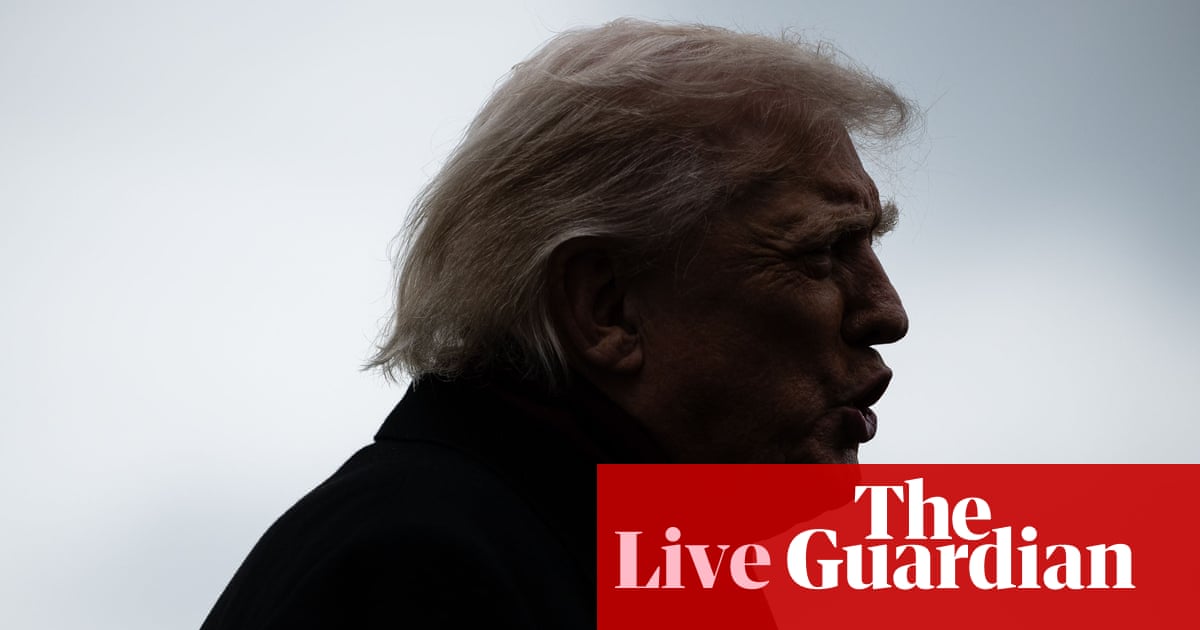
Trump Urges Republicans to ‘Nationalize’ Voting in ‘15 Places’
In a recent podcast appearance on Dan Bongino’s show, former President Donald Trump made a provocative call for the Republican Party to "nationalize the voting" in at least "15 places." While he did not specify which locations he was referring to, the statement reflects his continued concerns about the integrity of the electoral process.
Sowing Doubt in the Election System
Trump’s comments seemed aligned with a broader strategy to sow doubt in the electoral system, which has been a persistent theme throughout his political career. During the podcast, he argued, “The Republicans should say, ‘we want to take over,’” a remark that implies a fundamental shift in how elections might be managed if he were to regain influence within the party.
Constitutional Concerns
The United States Constitution grants states the authority to regulate their own elections, a principle Trump did not adequately address during his commentary. By calling for nationalizing voting, he hints at actions that could undermine state autonomy and set a precedent for federal overreach in election administration.
Allegations of Voter Fraud
In the same podcast, Trump repeated unverified claims about voter fraud, suggesting that undocumented immigrants are illegally brought into the country to vote. Such assertions have been widely criticized and debunked by various studies that show minimal evidence of significant voter fraud in U.S. elections.
Reaction from Legislators
Trump’s call has not gone unnoticed in political circles. Legislators across the spectrum have expressed concern over implications that could follow from his suggestions. Critics argue that his push for nationalization could disenfranchise voters and further polarize an already divided electorate.
The Republican Response
The Republican Party has been grappling with internal divisions, particularly regarding voter engagement and electoral integrity. Trump’s statements might resonate with a segment of the party’s base that is increasingly skeptical of election procedures, but they also risk alienating moderate Republicans who may view his approach as extreme or antithetical to democratic principles.
Broader Context: The Fight Over Voting Rights
This appeal to nationalize voting comes at a time when multiple states are enacting laws that alter election processes, often in ways that critics warn could suppress voter turnout. In this climate, Trump’s statement serves not only as a rallying cry for his supporters but also as a catalyst for ongoing debates about voting rights and election access.
Meanwhile, Legal Battles Continue
In parallel to Trump’s assertions, other significant legal developments are unfolding, particularly regarding Temporary Protected Status (TPS) for Haitian migrants. The Department of Homeland Security has signaled its intention to challenge a federal judge’s ruling that blocks the termination of TPS for over 300,000 Haitians living in the U.S.
Insights from Legal Experts
Legal experts are closely watching these developments, as they indicate the administration’s willingness to contest judicial decisions. Assistant Secretary Tricia McLaughlin’s remarks about the ruling being an example of "lawless activism" suggest a broader strategy of challenging the judiciary’s role in immigration matters.
The Clinton Testimony
Adding to the political drama, former President Bill Clinton and former Secretary of State Hillary Clinton agreed to testify in an ongoing investigation related to Jeffrey Epstein. This action comes just before a potential contempt vote in the House, creating yet another layer of complexity in the political landscape.
Bipartisan Implications
The implications of these testimonies could resonate through both Democratic and Republican circles, further complicating the already challenging political dynamics as the two parties navigate voter sentiments and the ramifications of Trump’s ongoing influence.
Summary of Current Events
Trump’s vocal push for nationalizing voting melds into a complex interplay of legal challenges and political maneuvering that defines the current American political landscape. As the nation grapples with questions of election integrity, immigration policy, and the role of high-profile individuals from both parties, the coming months promise to be crucial in shaping electoral strategies and legislative outcomes.