

The European Central Bank’s Decision to Maintain Interest Rates
In a recent meeting, the European Central Bank (ECB) opted to keep interest rates unchanged, despite market expectations for a shift. ECB President Christine Lagarde emphasized that while there has been a notable rally in the euro, inflation remains broadly balanced, justifying the decision to maintain the status quo.
Lagarde’s Stance on the Euro and Inflation
President Lagarde’s commentary has been pivotal in shaping market perceptions. She acknowledged the recent strength of the euro but warned against overreacting to short-term fluctuations. Lagarde framed the inflation situation as stable, citing balanced pressures that suggest no immediate need for rate adjustments. Her approach indicates a cautious perspective, focusing on long-term economic stability rather than immediate market responses.
Developments in the UK: The Bank of England’s Near Vote
Across the English Channel, the Bank of England (BoE) came close to reducing interest rates, reflecting a significant shift in monetary policy considerations. Recent forecasts indicate that inflation in the UK could drop below target levels, reviving expectations that the BoE might implement cuts as soon as next month. This potential pivot highlights the delicate balance central banks must maintain in navigating economic indicators while responding to ongoing fluctuations in labor markets and inflation rates.
Labor Market Fragility and the US Jobs Report
As the world awaits the critical US jobs report, data revealed that labor market conditions remain precarious. In January, private-sector payrolls added only 22,000 jobs — a stark undershoot from earlier expectations. This, coupled with a downward revision of previous data, underscores a slowdown that has led to increased scrutiny heading into the upcoming report.
US-China Relations: Trade Deal Renewal
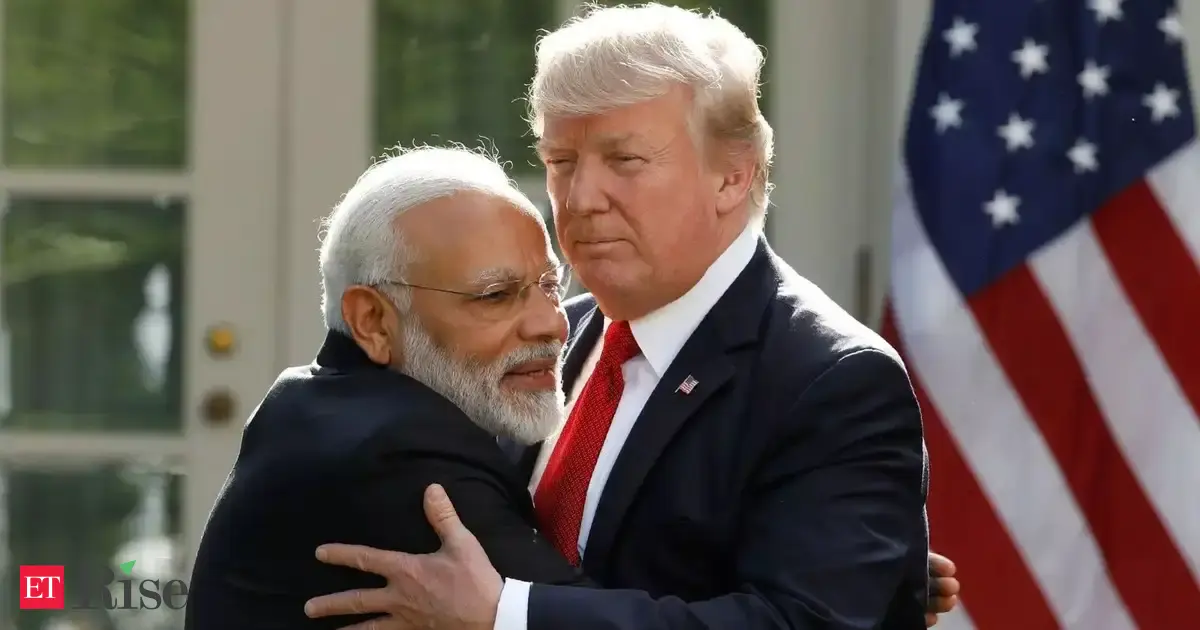
In a significant geopolitical development, President Donald Trump and Indian Prime Minister Narendra Modi have reached a surprise agreement focused on slashing tariffs and rejuvenating trade ties. The deal includes commitments from India to purchase $500 billion worth of US goods and to cease crude oil imports from Russia — a condition critical to fostering stronger US-India relations. This agreement might act as a template for future trade negotiations, illustrating the transactional nature of contemporary international relations.
Interest Rate Decisions Across the Globe
The consistency of the ECB and BoE’s decisions resonates with similar moves by several other nations, including Armenia, Madagascar, and India, all of which have kept rates unchanged amidst varying economic pressures. In contrast, Australia made headlines as it became the first major economy to increase interest rates in 2026, signaling a diverging path in global monetary policy.
US Manufacturing and Economic Indicators
Recent insights from American manufacturers reflect cautious optimism, with activity expanding unexpectedly in January. According to the Institute for Supply Management, robust growth in new orders and production has spurred this expansion — marking a positive sign after nearly a year of contraction. Despite this positive data, unemployment remains a critical concern with December statistics revealing more job openings than unemployed individuals for the first time in months.
European Economic Indicators: Germany and France
In Europe, recent trends show variability in economic health. Germany’s factory orders rebounded unexpectedly, suggesting a possible recovery in its crucial manufacturing sector. Conversely, French inflation has eased to a five-year low, driven by declining energy prices. This discrepancy indicates a budding differentiation within the eurozone, as some economies continue to struggle while others show signs of resilience.
Conditions in Asia: Real Estate and Budget Announcements
Turning to Asia, Seoul’s apartment prices have surged for an astonishing 52 consecutive weeks, defying government efforts to stabilize the market. On another front, India’s Finance Minister introduced a cautious budget centered on economic stability against rising global risks. This strategic move aims to ensure investor confidence in a climate fraught with uncertainty.
China’s Economic Challenges
Finally, in China, economic momentum appears lacking as the country enters the new year. Despite strong exports, weak domestic demand raises concerns, amplifying calls for increased policy support from Beijing to bolster the economy.
These numerous developments across various regions illustrate the complex intertwining of monetary policies, geopolitical strategies, and evolving economic conditions. Each decision by central banks and governments reflects an effort to navigate a landscape marked by uncertainty and rapidly shifting market dynamics.



