

Tensions Erupt at the Milan Cortina Games: A Clash of Ideals and Olympism
The President’s Remarks
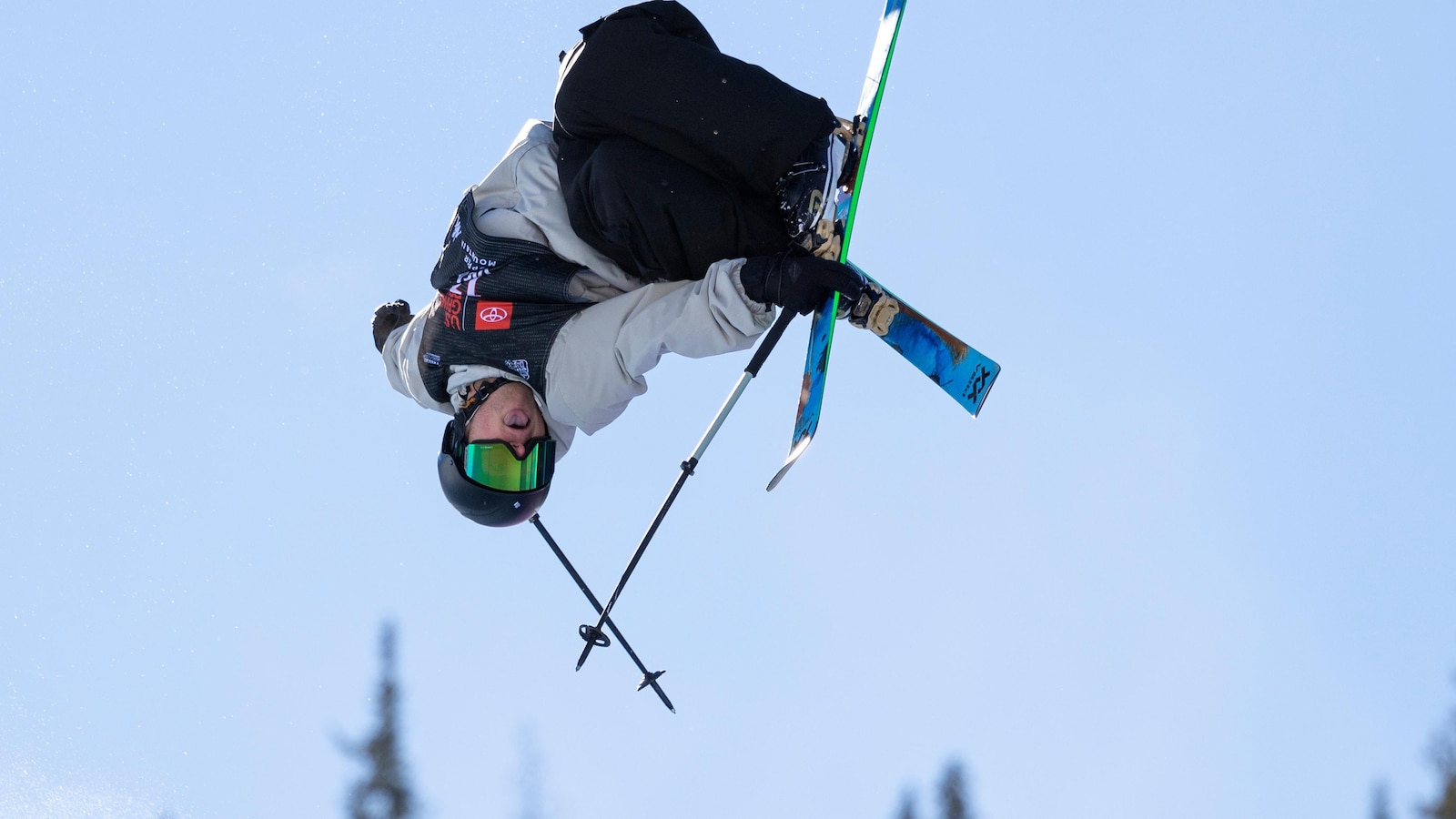
In a bold assertion that underscores the fraught intersection of sports and politics, U.S. President Donald Trump recently criticized American Olympians for voicing dissent regarding the administration’s policies. During the Milan Cortina Games, Trump referred to freestyle skier Hunter Hess as “a real Loser” for expressing his mixed feelings about competing under the current political climate. The president’s comments illustrate a growing rift between athletes who wish to use their platform for social advocacy and those who expect athletes to embody a unified national pride.
Athletes Speak Out
Hunter Hess, amidst recent media inquiries, shared his conflicted emotions about representing the U.S. while grappling with the ramifications of the administration’s stringent immigration policies. “Just because I’m wearing the flag doesn’t mean I represent everything that’s going on in the U.S.,” he stated. This sentiment was echoed by fellow athletes. Chris Lillis expressed his “heartbroken” feelings regarding the state of immigration enforcement, hoping that the games would showcase a more compassionate version of America.
Backlash from Influencers
The athletes’ honesty has not gone unnoticed. Influential figures like YouTuber Jake Paul have publicly criticized Hess, echoing Trump’s sentiments. Paul, with substantial clout on social media, called for athletes who are dissatisfied with American policies to “go live somewhere else.” Such statements fuel online backlash against Olympians who choose to speak out, contributing to a culture where dissent is met with fervent opposition.
LGBTQ+ Experiences
U.S. figure skater Amber Glenn highlighted the struggles faced by the LGBTQ+ community during Trump’s presidency, illustrating the personal risks athletes undertake when they share their truths. Her revelations about receiving a barrage of hate messages for speaking out underscore the often volatile environment surrounding activism in sports.
Cyber Bullying and Support Structures
In response to escalating threats against athletes, the U.S. Olympic and Paralympic Committee has acknowledged an uptick in abusive messages directed at Olympians. They pledged to tackle harmful online content and assured athletes of their commitment to safety and well-being, both on and off the field. This stance reflects a growing recognition of the emotional and psychological challenges faced by athletes navigating their identities in the public eye.
The Political Landscape
The political landscape in the U.S. has been significantly influenced by Trump’s administration, characterized by its confrontational foreign policy and domestic approaches that have divided public opinion. Such dynamics reportedly erode international support for American athletes competing abroad, setting a complex backdrop against which these athletes are attempting to perform.
Demonstrations and Voices of Protest
In what can be viewed as a parallel narrative to the competition, Milan itself has seen extensive demonstrations against U.S. immigration policies. Protesters have made their voices heard against the presence of ICE agents, which some view as an extension of harmful immigration practices back home. These protests further reflect the tumultuous climate under which the Olympic Games are taking place, highlighting a juxtaposition between athletic achievement and the realities of sociopolitical strife.
Athletes as Role Models
As athletes grapple with the weight of expectations and their desire for social advocacy, many are keenly aware of their roles as public figures. They strive to balance personal morals with national representation, often resulting in a complex, multifaceted portrayal of what it means to be an American athlete today. The landslide of commentary from both sides—supporters and detractors—demonstrates that Olympians are not just competitors but also play pivotal roles as voices in larger societal dialogues.
While the spotlight shines on their athletic achievements, it also reflects the ongoing struggles surrounding identity, representation, and advocacy within a polarized nation.



