

Supreme Court Strikes Down Trump’s Global Tariffs: Implications and Insights
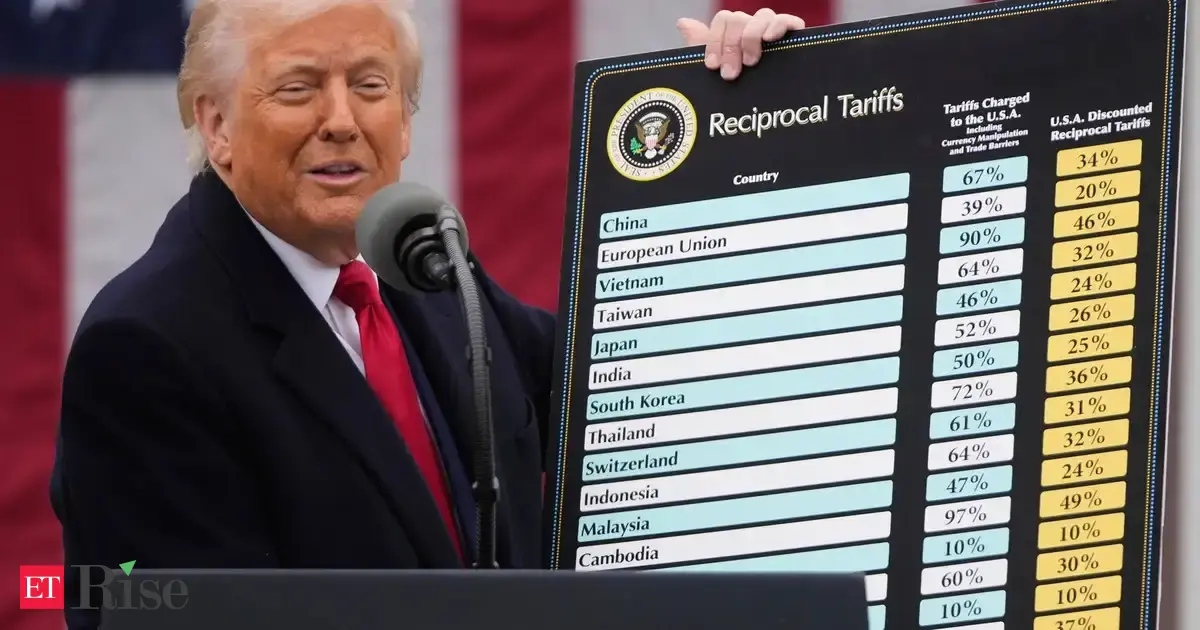
The recent ruling by the Supreme Court to strike down President Donald Trump’s global tariffs marks a significant turn in U.S. economic policy and trade relations. This decision has not only undercut what many viewed as Trump’s signature economic strategy but has also set the stage for a potential influx of claims for refunds from businesses and importers who paid billions in tariffs.
The Economic Impact of Tariffs
The broader implications of the tariffs had been a contentious topic throughout Trump’s presidency. Advocates argued that they would protect American jobs and industries by discouraging imports. Critics, however, pointed out that these tariffs often led to increased costs for consumers and businesses reliant on foreign goods. The recent Supreme Court ruling now asks whether Trump’s administration overstepped its legal authority by imposing these duties under an emergency law.
Economists have argued that tariffs did not significantly contribute to U.S. economic growth in the latter part of the previous year. A weaker-than-expected economic performance, compounded by a record-long government shutdown, demonstrated that net trade was a minimal contributor to economic expansion. Despite these challenges, underlying demand remained strong, giving a mixed picture of the overall economic health.
Refund Battle Looming
As the ruling unfolded, businesses that had already shelled out tens of billions of dollars in tariffs shifted their focus to potential refunds. Estimates suggest that up to $170 billion could be reclaimed from the U.S. government, underscoring the financial stakes for numerous importers and retailers. The legal battles that may result could entail a prolonged and complex process as businesses navigate the intricacies of the law.
Trade Relations with Japan
Interestingly, even as Trump’s trade policies face challenges, he had expressed optimism about reaching a trade deal with Japan earlier in the week. This deal, which anticipates an investment of up to $36 billion in U.S. oil, gas, and critical mineral projects, signals a proactive approach to international trade relationships — albeit one that relies on tariffs as a negotiating tool. The full extent of Japan’s $550 billion commitment to U.S. investments underscores the delicate balance between protectionism and global market cooperation.
Canada’s Automotive Concerns
The repercussions of the tariff strike-down extend beyond U.S. borders. In Canada, concerns have been raised about the long-term viability of the automotive industry, which has historically depended on tariff-free trade. Efforts to augment automobile assembly jobs in the U.S. come with risks for Canadian manufacturers, who fear that retaliatory measures or ongoing trade disputes could disrupt the established flow of parts and vehicles. The real competition, as many in the Canadian industry argue, stems from China’s growing influence in the global auto market.
Global Economies Adjusting
The repercussions of U.S. tariffs have not been confined to North America. Globally, countries are adjusting to these policies while facing their own economic challenges. Europe, for instance, is grappling with rising unemployment rates. In the U.K., youth unemployment has exceeded the European Union average for the first time, prompting analysts to foresee possible interest rate cuts from the Bank of England in response.
Meanwhile, other regions, such as Asia, display varied trajectories. Japan’s manufacturing activity remained robust, demonstrating resilience even as global markets shift. On the flip side, Russia’s oil sector is facing drop-offs in drilling activity due to Western sanctions, raising questions about future outputs.
Trends in Global Trade Flows
One striking development related to tariff impacts is the shift in trade flows. Increasingly, the U.S. is importing more from nations like Taiwan compared to China, a significant shift driven by evolving market dynamics and a growing demand for technology products amid a global boom in artificial intelligence. This shift into new trade partnerships reaffirms the complexities within an increasingly interconnected global economy.
Conclusion: A New Era of Trade Dynamics
The Supreme Court’s ruling against Trump’s tariffs not only opens a floodgate for potential claims from businesses but also serves as a reminder that trade policies are always subject to change. The global trade landscape is evolving, shaped by a myriad of factors, including legal rulings, economic data, and international relations, making it crucial for stakeholders to remain alert to ongoing developments. From consumer prices to the strategic decisions of foreign governments, the ripples of this ruling will be felt in various ways across the world stage.
In this moment of transition, understanding the implications of trade policies becomes essential—not only for businesses but for policymakers and consumers alike, as we navigate this dynamic economic environment.



