

The Strait of Hormuz: A Global Economic Chokepoint
The Strait of Hormuz is more than just a body of water; it is a critical artery of the global economy. This narrow strait connects the Persian Gulf to the Gulf of Oman and the Arabian Sea, acting as a funnel for a significant portion of the world’s oil and natural gas. In 2025 alone, approximately 15 million barrels of crude oil and 5 million barrels of refined products navigated through this vital waterway daily. For many countries, including Saudi Arabia, Iraq, and even the United States, the Strait is indispensable for energy security.
Iran’s Control and Strategic Significance
Iran has long understood the strategic importance of the Strait of Hormuz. In 2026, amidst heightened tensions, the Iranian Armed Forces issued warnings to prohibit navigation through the strait, particularly targeting non-Iranian tankers. By controlling this shipping route, Iran wields significant influence over global energy markets. Economic consequences from a blockade could ripple out, affecting everything from fuel prices to food production. The strait acts as a butterfly fluttering its wings; a crisis here could provoke a tornado far across the globe, reaching even to the shores of Texas.
Energy Dependencies and Market Impact
The Strait’s significance extends beyond oil; it is also crucial for liquefied natural gas (LNG) trade. In 2025, over 112 billion cubic meters of LNG—representing about 20% of the global LNG trade—passed through this channel. Countries dependent on this supply include Japan and South Korea, which source roughly 95% and 75% of their crude oil needs from the Gulf region, respectively. Even the U.S., despite increasing domestic production, continues to rely on this strategic waterway for around 7% of its oil consumption.
When Tehran announced navigation restrictions, energy markets responded almost immediately. Brent crude oil prices surged, momentarily flirting with the $100 per barrel mark. The International Energy Agency (IEA) found itself compelled to release a historic 400 million barrels of oil in an effort to stabilize markets.
Industrial Complex Interdependence
The ramifications of disturbances in the Strait of Hormuz extend beyond energy markets into industrial sectors. Take aluminium production, for example: Gulf countries’ output accounts for 8-9% of global production. Disruptions could lead to price spikes—an economic shock that would hit various sectors, as rising costs filter down the supply chain and fuel inflationary pressures.
Critical commodities like sulphur, which is used extensively in fertilizer production, are also produced in the Middle East. The Gulf region supplies about 44% of global sulphur, making it essential for agriculture. A prolonged disruption would not only affect food prices but could also stifle agricultural production globally.
Military Dimensions and U.S. Strategy
For the U.S., reopening the Strait of Hormuz poses significant military challenges. Military action is possible but would be costly and time-consuming. The U.S. must balance the need to assert control with the potential for escalating tensions with Iran, making the process perilous.
The U.S. Navy has not entirely lost access to shipping lanes through the strait. Vessels are monitored and warned, ensuring that only those with direct ties to the U.S. or Israel could be targeted. However, Iran’s geographic advantage complicates matters. With a lengthy coastline along the northern side of the strait, Iran can monitor maritime activity effectively and deploy both offensive and defensive military assets strategically.
Asymmetric Warfare Threats and Naval Struggles
Iran’s military relies on asymmetric tactics, primarily to deter foreign vessels. They utilize anti-ship cruise missiles, speedboats, and drone technology to threaten shipping lanes. Even before open conflict, Iran had cautioned that any military action against its interests would trigger significant retaliatory measures.
The U.S. response, if designed to reopen the strait, would likely include aggressive surveillance and targeted strikes against coastal military assets while managing its own forces to minimize collateral damage.
Communicating Risks and Making Strategic Decisions
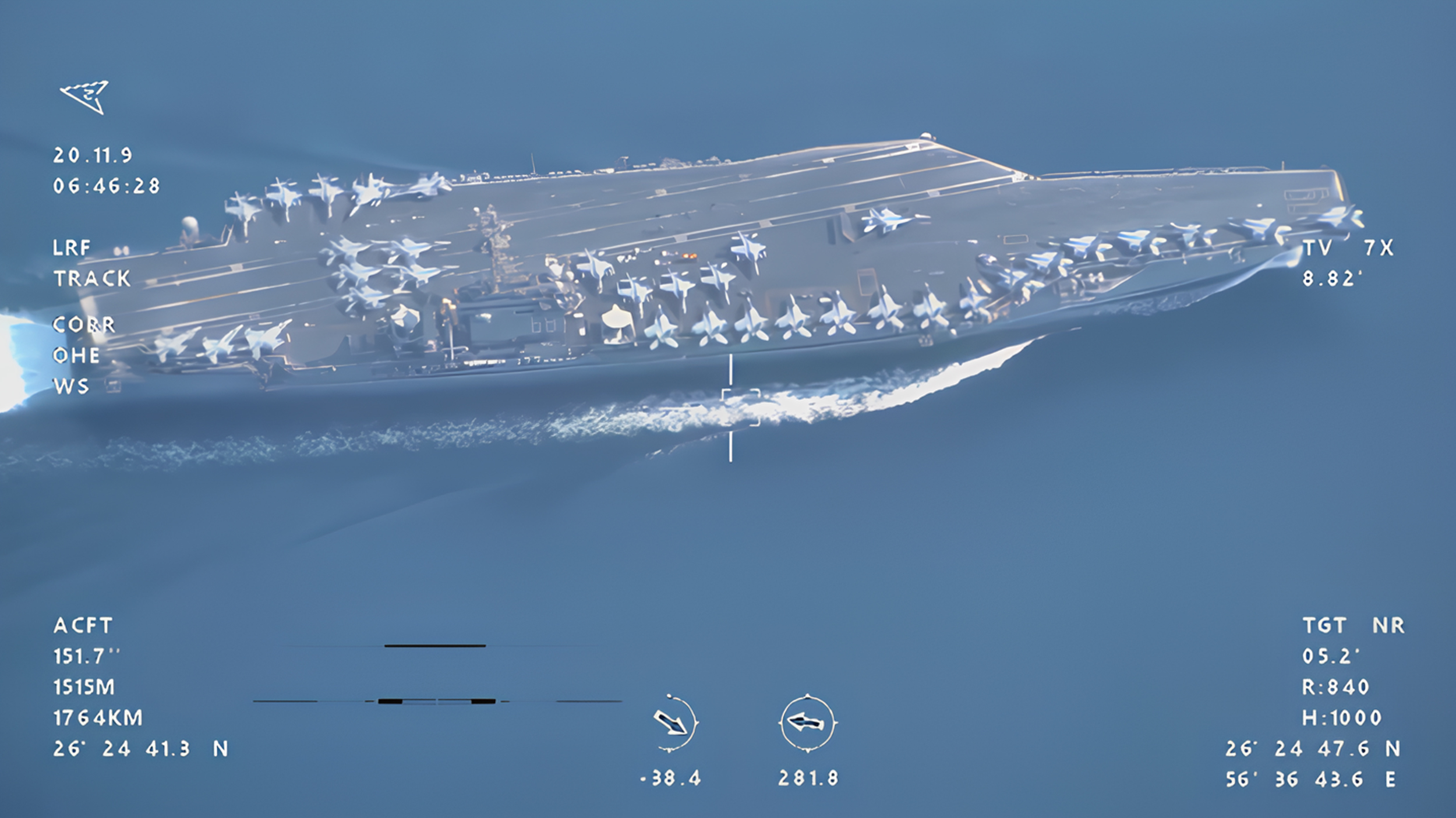
The U.S. would also need to position carrier strike groups to escort commercial vessels while neutralizing Iranian threats. Any convoy operation through the narrowest parts of the channel carries tremendous risks, particularly if leading vessels encounter hostile actions.
The navigable channel itself is narrow and fraught with dangers, further complicating U.S. military maneuvers. A single rapid escalation, such as an explosion onboard an escorted vessel, could render entire convoys vulnerable. Hence, the logistics of sustaining safe passage through this vital conduit for global commerce become an overwhelming challenge.
Geographical Advantage vs Military Capability
Navigational challenges magnify the threat posed by Iran. The strait’s geographical constraints means that vessels, particularly ultra-large crude carriers (VLCCs), must navigate through a 3.7-kilometer lane, effectively providing Iran with a multitude of opportunities to enforce its will. The presence of Iranian islands, equipped with military assets, offers Tehran additional leverage to control maritime activities in the region.
Broader Implications of Conflict
As military planners consider their options, they face a prism of international relations and domestic ramifications. The potential for escalation poses not just local dangers but could destabilize relationships with key Arab allies reliant on secure maritime trade routes for essential resources.
The challenges associated with reopening the Strait of Hormuz elucidate the precarious nature of geopolitics in this vital region. The interplay between military capability, geographic advantages, and global economic dependencies underscores the complexity of the challenges ahead, revealing a landscape where every action holds the potential for significant ripple effects worldwide.



