

The Postponement of Trump’s Visit to Beijing: A Geopolitical Reflection
On a notable Wednesday, the White House announced that China had agreed to postpone Donald Trump’s much-anticipated visit to Beijing. Originally scheduled for March 31 to April 2, this delay is not merely a scheduling hiccup but highlights the escalating complexities in international politics, particularly in the context of the ongoing war in the Middle East. As tensions simmer, they reshape both domestic U.S. politics and U.S.-China relations.
The Significance of the Meeting
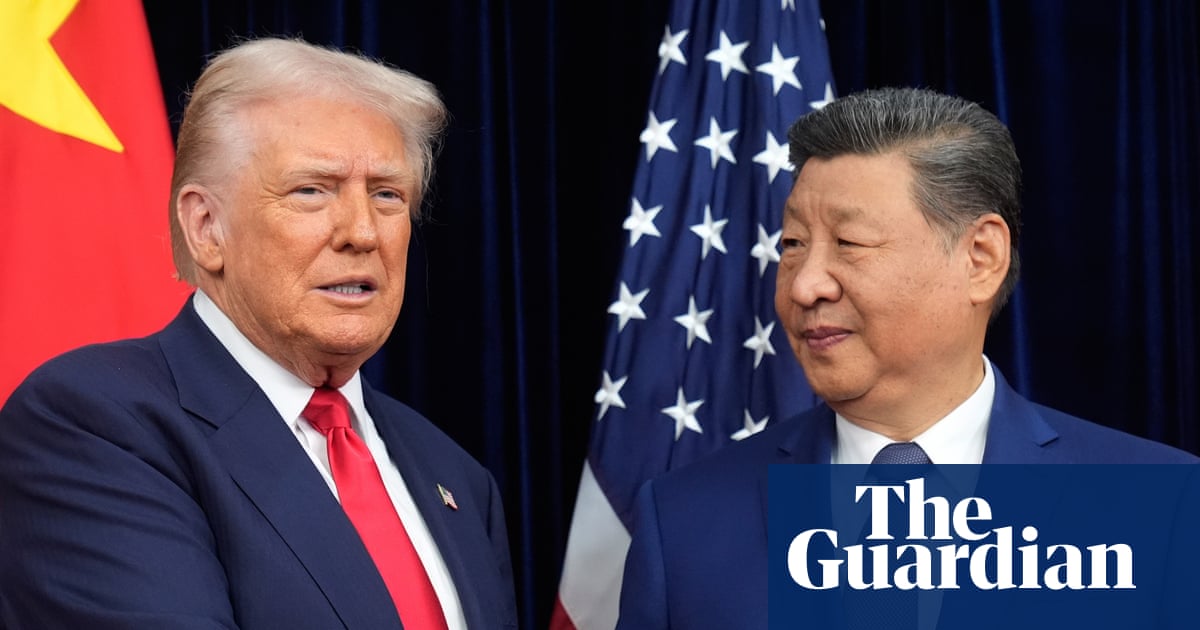
This upcoming meeting between President Trump and Chinese President Xi Jinping marks their first in-person encounter since October. The trip was supposed to focus on critical discussions regarding the next phase of the U.S.-China trade war—an issue that has been under a temporary truce. However, the geopolitical backdrop has shifted dramatically, with the war in Iran becoming increasingly relevant.
While the specifics of the agenda are still unfolding, it’s expected that the consequences of U.S. military action in Iran, a state closely allied with China, will significantly influence their discussions. Observers note that Trump’s involvement in the Middle East could lead to complications that would directly affect the negotiating table.
Domestic Considerations: Midterm Elections Looming
As Trump approaches the midterm elections this November, the stakes heighten. A U.S. president seeking electoral success may be more amenable to making concessions during negotiations. However, his unpredictability adds a layer of complexity for Chinese strategists. There is a prevailing assumption in Beijing that the president will be particularly motivated to secure a deal that presents a favorable narrative to voters back home, especially in light of inflationary pressures driven by the war.
Polling data further underscores this dynamic. A recent NBC News survey indicated that more than half of registered voters disapprove of the U.S. military action against Iran, signifying potential electoral backlash. These concerns may push Trump into a more conciliatory role during his inevitable face-off with Xi.
The Economic Landscape: Energy Prices and Trade Fears
The effects of the Iranian conflict extend beyond military and political implications; they reverberate through the global economy, influencing markets and trade relationships. As oil prices soar, motivated partly by instability in the Middle East, economic analysts predict rising challenges for Trump as he heads into the midterms.
The economic relationship between the U.S. and China remains crucial. China, heavily reliant on exports, has benefitted from a trade environment that has been relatively stable since October. However, inflation and rising unemployment loom in the background, creating further pressure for Trump to achieve tangible results during his delayed visit.
Chinese Perspective: Analyzing Strategic Leverages
China’s cautious monitoring of this situation reflects its broader strategic interests. Neil Thomas from the Asia Society Policy Institute suggests that Beijing recognizes their leverage over Trump, particularly as he may wish to avoid triggering economic fallout leading up to the elections. However, that leverage is not without limits; Trump’s track record illustrates a willingness to absorb economic costs to pursue strategic goals.
Experts note that both countries have a vested interest in preventing a resurgence of the trade war that deeply affected the global economy last year. China’s exports have recently surged, reflecting strong demand, yet a protracted struggle could tarnish both economies.
The Ripple Effect of Trade Wars
The implications of this postponement aren’t isolated to diplomatic conversations; they echo in domestic electorates. In previous elections, regions representing U.S. agricultural interests that have been directly impacted by trade policies saw a decline in Republican support, highlighting a significant correlation between trade issues and electoral outcomes.
Previous studies indicate retaliation from China against U.S. agricultural exports, such as soybeans, diminished Republican vote shares in areas heavily reliant on those exports. This historical context may repeat itself if voters discontented with economic strains perceive inadequate action from their leaders.
The Future of Sino-American Relations
Looking towards the future, the possible outcomes of Trump’s presidency weigh heavily on Chinese strategies. Observers speculate that a weakened Trump might embolden tougher stances among his political adversaries, possibly instigating harder negotiations against China. Conversely, a stabilized Trump administration could lead to less aggressive trade posturing, complicating Beijing’s strategies.
China’s approach is far from straightforward. They seem to anticipate a Trump victory may maintain a status quo that favors their interests—an administration that continues to engage in less confrontational trade practices, despite the ongoing noise from hawkish factions within the U.S.
Conclusion: An Evolving Landscape
In sum, the delay of Trump’s visit to Beijing encapsulates the intricate intertwining of domestic political considerations and international diplomatic maneuvering. As the geopolitical landscape shifts amidst a raging conflict in the Middle East, both Trump and Xi find themselves navigating a complex web of interests that encapsulate economic stability, military engagement, and electoral pressures. The coming months hold vital implications not only for U.S.-China relations but also for the broader international order as we move closer to the midterms.