

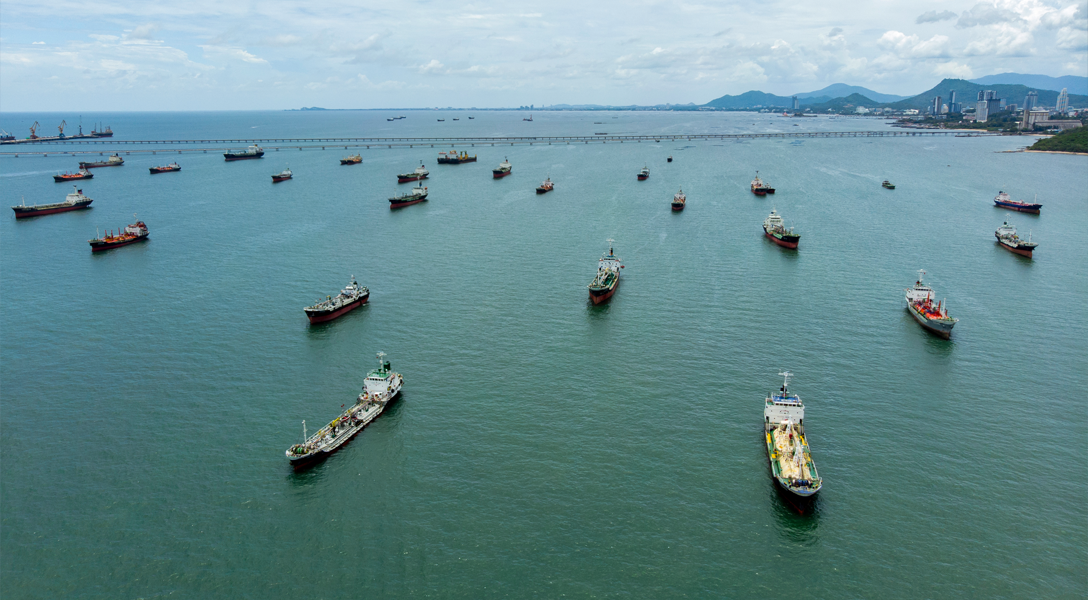
The Strait of Hormuz: A Critical Geopolitical Flashpoint for Global Oil Supply
The geopolitical landscape surrounding oil supply is shifting dramatically, particularly with the recent closure of the Strait of Hormuz following military conflict with Iran on February 28, 2026. This event has reignited concerns about the impact of geopolitical tensions on global oil supplies and has significant implications for worldwide economic stability.
Understanding the Strait of Hormuz’s Importance
The Strait of Hormuz is a strategic maritime passage that serves as a crucial conduit for oil exported from the Persian Gulf. Approximately 20% of the world’s oil supply traverses this narrow waterway, and any disruption—be it from military conflict, piracy, or geopolitical maneuvering—can significantly impact global oil markets.
The ongoing military conflict involving Iran, the United States, and Israel has led to an unprecedented closure of this vital route. Initial concerns stemmed from the practicalities of adjusting insurance contracts for oil tankers in the region. However, fears escalated as attacks on oil infrastructure extended to neighboring countries, exacerbating uncertainty about safe passage through the Strait.
The Global Economic Fallout
A cessation of oil exports from the Gulf region means that nearly one-fifth of global oil supplies could be incapacitated. For countries heavily reliant on oil imports, particularly in Asia, this equates to soaring prices and strained energy security. Nations unable to access oil from the Persian Gulf are compelled to seek alternatives, placing upward pressure on global oil prices.
Historical Context of Geopolitical Shocks
To understand the magnitude of this current crisis, it’s essential to compare it to historical geopolitical oil supply disruptions. Events such as the Yom Kippur War (1973), the Iranian Revolution (1979), and the Persian Gulf War (1990) led to significantly smaller supply shortfalls—typically around 4%-6% of global supply. Today, a potential shortfall of nearly 20% presents a stark contrast, raising alarms among economists and policymakers alike.
Modeling the Effects of Geopolitical Risk
Recent research by the Federal Reserve Bank quantifies how geopolitical risks can result in decreased oil production and surging oil prices. Geopolitical events often trigger market speculation, creating volatility even before actual supply disruptions occur. Models reveal that the anticipation of a crisis can lead to inventory build-ups as market players brace for potential shortages.
Taking the closure of the Strait of Hormuz as a case study, researchers utilized detailed models to assess the economic implications. If the Strait remains closed in the second quarter of 2026, projections indicate that the average price of West Texas Intermediate (WTI) crude oil could soar to $98 per barrel, leading to an annualized economic growth decline of 2.9 percentage points globally.
The Prospects of Resuming Oil Shipments
Examining possible scenarios provides insight into how the oil supply chain could be affected post-closure. If the Strait reopens within a quarter, the oil price could adjust downward to approximately $68 per barrel, rejuvenating economic growth in the subsequent quarter. However, if the closure extends, prices may rise steeply—potentially reaching $132 per barrel—accompanied by ongoing negative growth effects.
Strategic Responses to Supply Shortfalls
Several avenues exist for mitigating the impact of a supply disruption. For instance, increasing oil flow via existing pipelines, like Saudi Arabia’s East-West pipeline, could redirect oil to the Red Sea, safeguarding a portion of the global supply. Additionally, negotiations between countries like China and Iran may facilitate oil transportation through the Strait, further alleviating the crisis.
However, each option comes with its own set of challenges, such as vulnerabilities to missile strikes and complex logistics that could complicate transportation routes. Moreover, historical precedents show that oil shipments can resume even in hostile environments, albeit at the cost of increased risks.
Broader Economic Implications
While the focus has been on global effects, it’s crucial to recognize the implications for the U.S. economy. Although historically reliant on oil imports, the U.S. has shifted closer to energy independence due to the shale boom. Nevertheless, rising oil prices are expected to exert similar pressures on the U.S. economy as they do globally because of interlinked markets.
Navigating the Future of Oil Supply
As we navigate through this current predicament, it’s imperative for global leaders and market participants to prepare for varying outcomes that might emerge based on geopolitical developments. The interplay of military conflict, economic sanctions, and diplomatic negotiations remains a pivotal factor in shaping the trajectory of oil supply and pricing in the near future.
Understanding the ramifications of the Strait of Hormuz’s closure extends beyond mere numbers; it encapsulates a complex web of global interdependencies that dictate not only energy policy but also economic stability across nations.



