

The Economic Ripples of the Iran War: Understanding the Stakes
In the tumultuous aftermath of the U.S. and Israeli airstrikes on Iran, financial markets initially held an air of optimism. Many market watchers believed that the consequences of Donald Trump’s military actions in the Middle East would be a minor blip. A prominent U.S. fund manager remarked, “History has shown that geopolitical flare-ups tend to be short-lived. This one should prove to be no exception.” But as the dust began to settle, it became increasingly evident that the economic fallout was far from negligible.
Initial Market Reactions
Investment firms like Goldman Sachs suggested that the initial disruption from the conflict would be temporary, predicting a decline in oil prices over the year. They stated that while risks were skewed upward, they expected crude to stabilize around $80 per barrel, citing the Iranian regime’s precarious position as a factor in keeping responses measured. Analysts across the financial spectrum appeared to downplay the potential for long-term chaos.
The Escalating Crisis
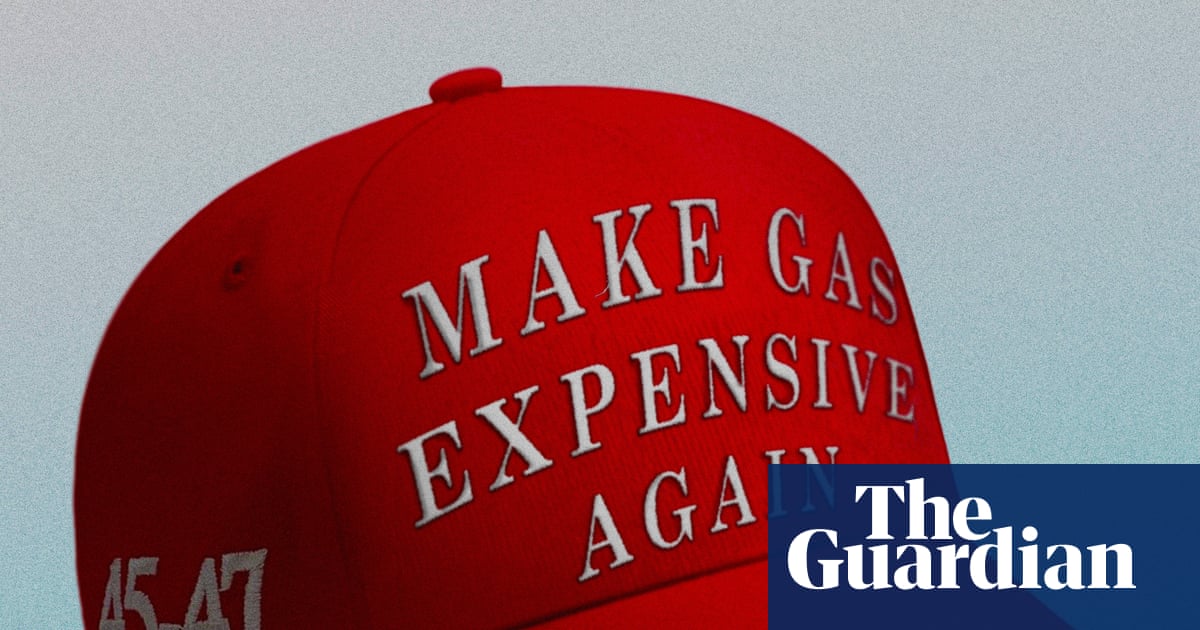
However, just three weeks later, the specter of a prolonged conflict began to paint a different picture. Oil prices surged beyond $100 a barrel, doubling European gas prices and injecting volatility into global financial markets. The consequences of this conflict sent ripples through economies worldwide, exacerbating a rising cost of living. Central banks, including the U.S. Federal Reserve, the European Central Bank, and the Bank of England, warned that the ongoing conflict could significantly impact inflation and stunt global economic growth.
The Cynical Reality of War
As each day unfolded, the scale of the crisis became clearer. From skyrocketing fuel prices affecting drivers to significant travel disruptions, the economic ramifications were felt across industries. Albert Edwards from Société Générale voiced concerns that market assumptions of a swift resolution might be misguided. His warning about the risks of stagflation — a period characterized by stagnant economic growth and high unemployment coupled with inflation — illustrated the precariousness of the situation.
The Impact on Global Supply Chains
Compounding these issues, various segments of the economy started to feel severe strain. Heavy industries in Europe, still grappling with energy shocks from Russia’s invasion of Ukraine, faced increased pressures. Companies like Huntsman and BASF reported rising costs and operational challenges. In particular, the surging price of fertilizer, a vital agricultural input derived from petrochemicals, was poised to hit farmers globally, thereby setting the stage for a potential food crisis.
Iran’s Counteractions
In response to the escalating conflict, Iran threatened to elevate oil prices to $200 per barrel, leveraging its influence to target shipping in the strategic Strait of Hormuz, through which about a fifth of the world’s oil supply transits. With missiles hitting key facilities, such as the Qatari LNG processing plant, analysts warned of a looming “doomsday scenario” for energy markets.
A Mixed Message from Washington
In Washington, the messaging was confusing. Trump pronounced the war "won," leaving many to question what that meant for the conflict’s direction and duration. The erratic political rhetoric added an element of uncertainty that left investors in a quandary. Barclays characterized this climate as a “fog of war,” adding to the volatility of financial markets due to inconsistent communication regarding objectives and possible outcomes.
Historical Context: Echoes of the Past
Reflecting on past global economic crises, analysts draw comparisons to previous wars, particularly the Iran-Iraq war in the 1980s. Back then, U.S. involvement was profound, with naval escorts deployed to safeguard shipping in the Gulf. This historical view underscores the potential severity of Tehran’s latest maneuvers, where its actions are seen as a strategy to leverage geopolitical tensions against Western interests, much like its predecessors did.
The Long-Term Economic Impact
The potential long-term effects of the Iran war on global markets and economies are concerning. Forecasters warn that surging oil and gas prices commonly serve as harbingers of recession. The chaos in the energy sector has ramifications that reach beyond just fuels. With the world’s interconnected economy, disruptions could affect food supply chains, leading to increased prices on staples.
Concerns for Future Growth
As costs spiral, economies already on shaky ground could be pushed into recession. Analysts like Ian Stewart have pointed out that similar surges in energy prices in the past have precipitated economic downturns. The crisis has thus raised red flags regarding the resilience of not just energy markets but also global growth rates, with projections indicating a lower growth trajectory due to high price levels.
Emerging Patterns: Resilience and Adaptation
Despite current upheaval, some experts believe the fallout might be contained. Unlike the unpredictable spikes seen during the initial post-Covid recovery, today’s global economy exhibits signs of resilience. The U.S. has reduced its dependence on foreign oil significantly, as has much of Europe, prompting many nations to seek diversified energy supplies.
The New Economic Landscape
As companies reassess their supply chain strategies, terms like "nearshoring" and "friendshoring" are gaining traction. These strategies involve shifting production closer to home or to politically aligned nations, significantly altering the global economic fabric. Such moves, while designed to mitigate risks, may also add complexities and costs to international trade.
Future Implications
While the future remains uncertain, the implications of the Iran war on the world economy are profound. From higher inflation rates to the possibility of food shortages, businesses and consumers alike will feel the heavy impact of this geopolitical conflict. As the world watches and waits, the lessons from the past are becoming more critical than ever, serving as reminders of the interconnectedness of global economies and the delicate balance required to maintain stability.



