

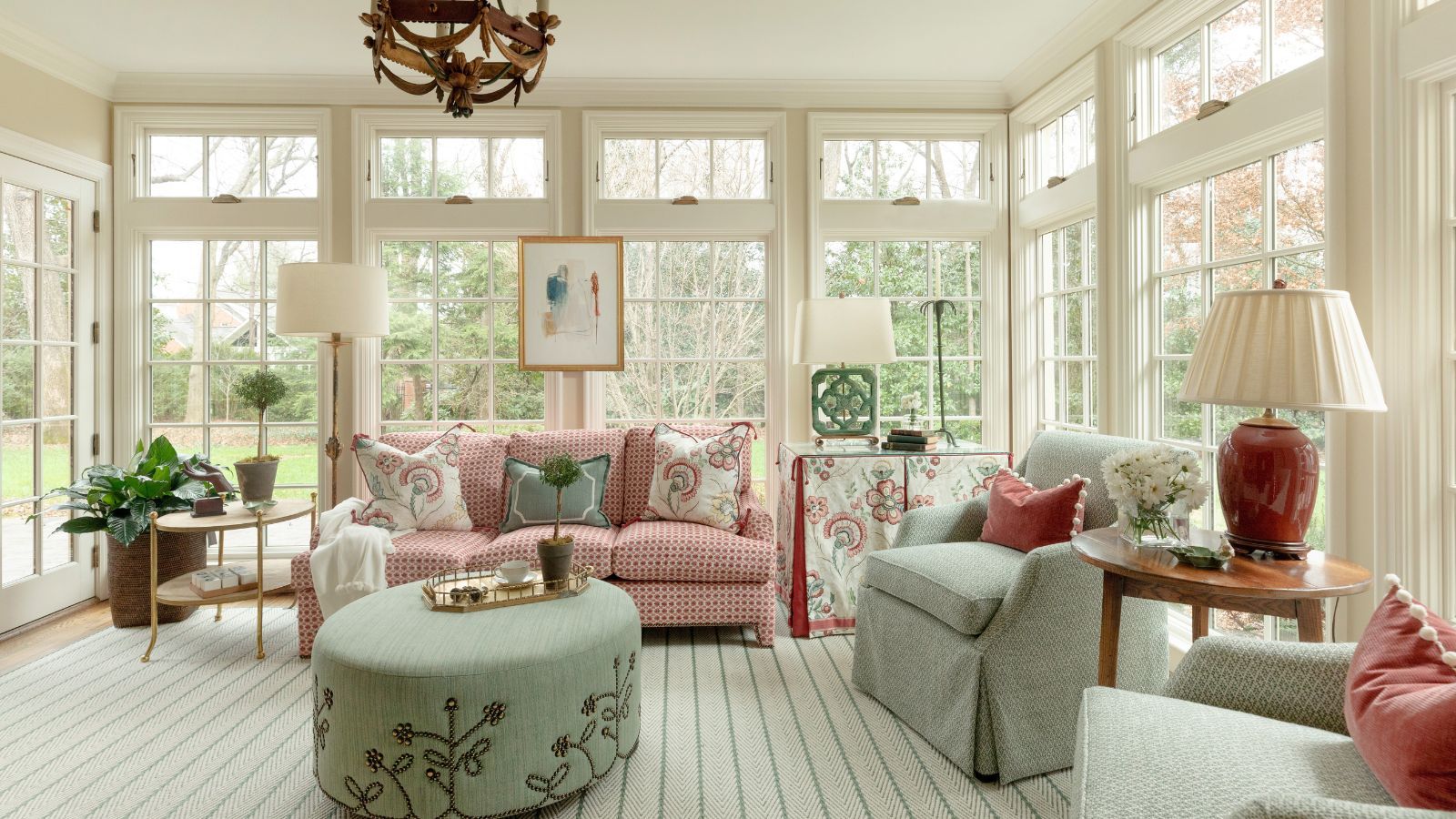
Discovering ‘Found Luxury’: A Transcendent Shift in Interior Design
The Evolution of Luxury in Design
As the world of interior design continually evolves, we’ve seen a profound transformation in the concept of luxury. The buzzworthy trend of quiet luxury—characterized by understated elegance and soft color palettes—has begun to show signs of wear. Although it evokes a sense of grandeur through simplicity, many find that its minimalist nature often leaves out the soul and individuality that truly make a house feel like a home. Enter ‘found luxury’, a trend that embraces the eclectic, the historical, and the deeply personal.
What is ‘Found Luxury’?
At its core, found luxury represents a mindset rather than just a style. As Olivia Needham from Sims Hilditch explains, it focuses on pieces that tell a story, ones that listeners can connect with—each one holds history and character. This trend encourages homeowners to slowly collect objects over time, allowing their spaces to evolve into layered representations of their lives and experiences.
Found luxury celebrates craftsmanship while adding a unique touch of individuality, steering clear of the overly polished aesthetic that often defines quiet luxury. Instead, it prioritizes items that have been inherited or sourced organically, which develop their charm and character through use over time.
The Ingredients of Found Luxury
A Focus on Meaningful Objects
Found luxury encourages individuals to curate their homes with intention. Pieces that resonate personally—whether it’s a vintage chair, an inherited bookcase, or artwork from travels—create a unique story in a space. As Needham remarks, these carefully selected objects transform interiors from ‘perfectly curated’ to ‘layered and lived-in.’
Embrace Natural Materials
One of the guiding principles of found luxury is a preference for natural materials. These not only age beautifully, such as wood or clay, but promote a sense of warmth and authenticity. They imbue a home with a character that stark, synthetic materials often lack.
Evolving Spaces
Unlike the fixed nature of traditional design approaches, found luxury embodies adaptation. As you continue to find objects that resonate with you, your space may shift and transform. Interiors become expressive, mirroring who you are at various points in your life rather than capturing a moment in time.
The Trend’s Appeal
In a world where disposable luxury is often the norm, found luxury stands out as a more genuine approach. Jen Baxter of Baxter Hill Interiors asserts that true luxury is about thoughtful interaction with one’s surroundings. Objects that have been chosen with care convey stories—each wrinkle, scratch, or imperfection adds to their charm.
The Role of Antiques and Vintage
Antique and vintage furniture not only serve as beautiful design elements but also as anchors for stories. Paying homage to the past can eliminate a sterile feel in a room. Interior expert Lauren Saab emphasizes the importance of mixing decades. By pairing antique pieces with modern designs, you create an ambiance of eclectic richness that cannot be matched by purchasing everything in one go.
Creating a ‘Found’ Home: Practical Tips
Start with a Strong Anchor
When beginning your journey into found luxury, start with a single strong piece—this may be a well-loved antique table or an art piece with personal significance. The presence of an anchor establishes a foundation upon which other pieces can be layered.
Mix Eras and Textures
Mixing various design styles, periods, and materials is critical. Don’t be afraid to combine a sleek modern sofa with a rustic wooden chest or a mid-century lamp with an antique mirror. This interplay of contrast creates visual intrigue and evokes the feeling of having lived in a space.
Collect Over Time
Let your space evolve gradually. True found luxury comes from the serendipitous moments of discovering unique pieces over time. As Jen Baxter puts it, "The more interesting spaces are built gradually."
Personalizing Your Space
To embrace found luxury effectively, consider filling your spaces with personal artifacts. Items collected from travels, gifts from family, or local art can all contribute to a more personal feel. It’s about making a statement with pieces that are meaningful to you rather than purely aesthetic.
The Role of Stories and Memories
What truly makes a house a home is the stories it holds. The mundane can become extraordinary through connections. For instance, an art piece bought on a meaningful trip or a piece of furniture from a beloved grandparent carries memories that enhance the emotional richness of a space.
Importance of Authenticity
As found luxury continues to gain traction, authenticity takes center stage. Designers emphasize the importance of creating spaces that reflect genuine lived experiences rather than curated showrooms. The authenticity of collected pieces makes them more appealing and relatable.
By embracing the ethos of found luxury, you can cultivate a living environment that resonates deeply with your personal narrative while visually intertwining a variety of styles and eras. This evolving shift towards individuality in design invites warmth, character, and authenticity back into the home, letting you narrate your unique story through the artful arrangement of treasured pieces.



