

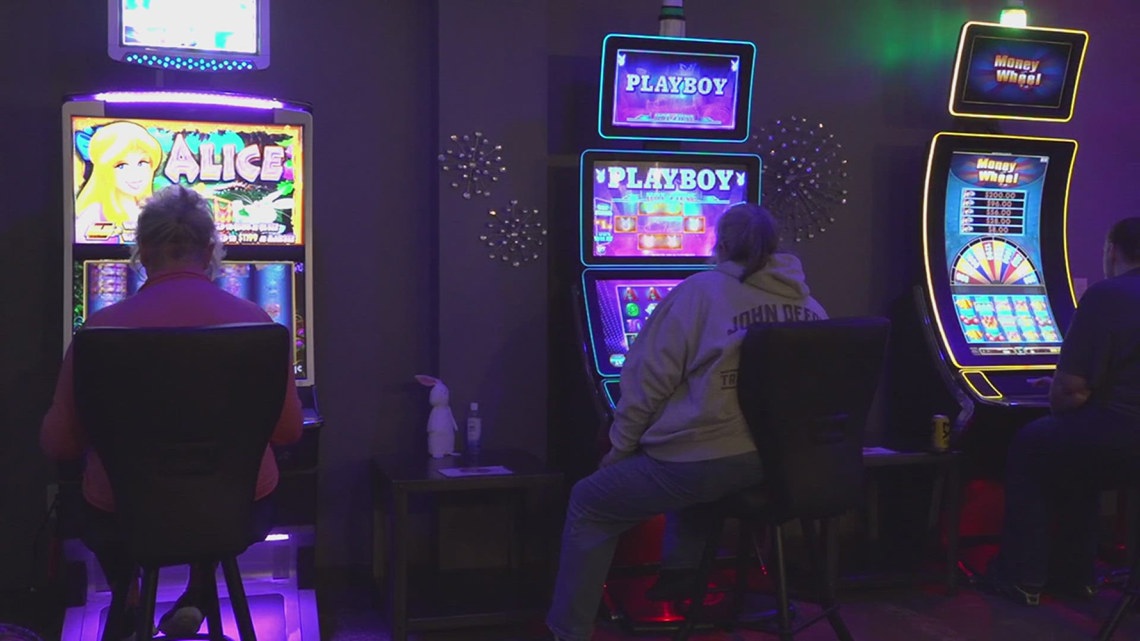
Gaming Cafe Owners in Moline Speak Out Against Class K License Elimination
Moline, Illinois, is currently undergoing a significant debate regarding the future of gaming cafes, particularly as the city considers plans to eliminate Class K liquor licenses by January 2027. The implications of this potential change have raised concerns among owners and employees about job security, revenue loss, and overall business viability.
The Vote That Shocked the Community
On April 7, during a city council meeting, council members voted against a resolution aimed at halting the sunsetting of Class K liquor licenses. This decision has left gaming cafe owners grappling with uncertainty regarding their business futures. Rachel Cox, the operating manager of Julie’s Video Poker and Slots, emphasized the emotional weight of this decision, saying, “It’s not just my livelihood but that of lots of other people.”
The stakes are high, as around 30 individuals are expected to voice their concerns at subsequent meetings, underscoring the gravity of the situation.
A New Ordinance Proposal
In response to the looming threat, Alderperson Jessica Finch from Moline’s 5th Ward proposed an ordinance allowing gaming cafes to operate beyond the sunset date of the Class K licenses. Finch articulated the financial implications of losing these businesses, warning that such a loss could stifle city projects and hinder revenue streams, particularly as prices for goods and services continue to escalate.
“Losing that kind of revenue could possibly mean that we lose a project somewhere in the city,” Finch stated, highlighting the potential ripple effects on the community. “I created this ordinance specifically because of the loss of revenue in the city of Moline and the loss of jobs.”
A Sudden Transition
When Julie’s Video Poker and Slots first opened in 2017, the establishment operated under a Class B liquor license designed for bars and taverns. However, in 2018, Julie’s was switched to a Class K license—a decision that took Cox by surprise. She recalled, “I just received a letter in the mail saying that we were now being changed to Class K, so it was a little bit of a shock.”
This unexpected transition came with a massive fee increase from $1,400 for a Class B license to $5,000 for the Class K version. Despite the initial confusion, her business adapted to the new regulations, but things took a sharper turn when the Moline City Council passed an ordinance in January 2022 to eliminate Class K licenses altogether.
The Impact of the Decision
Cox recounted the moment when she learned of the impending license elimination. “It wasn’t until months later when I reached out to the city… and I was told, ‘Well, no, and actually your license is going to be out of existence in a couple of years,’ and it was a shock.”
Amidst the uncertainty, Cox underscored the financial contributions gaming cafes make to the community, asserting that these venues generate over $300,000 per year in revenue for Moline. “One year’s worth of Class K revenue would be 18 years’ worth of salt brine for the City of Moline,” she noted, illustrating the potential impact of the proposed changes.
Economic Implications
The ramifications of losing gaming cafes extend well beyond the fiscal realm. Cox stressed that the closure of these establishments could lead to a multitude of negative outcomes: “Loss of jobs, empty storefronts, loss of tax revenue—none of it is good for the city of Moline if this passes.”
Her sentiments reflect a broader concern among local business owners, who worry that eliminating Class K licenses could not only jeopardize their livelihoods but also disrupt the local economy, driving away potential investments and creating a less vibrant community.
Community Engagement
As the city gears up for further discussions, community involvement remains crucial. The voices of owners, employees, and concerned citizens will be essential in shaping the future of Moline’s gaming cafes and, by extension, the city itself. With stakes this high, the discussions at city council meetings promise to be both emotional and impactful, setting the stage for either continued operation or a significant business downturn for many local establishments.
Through ongoing dialogue and advocacy, Moline’s gaming cafes hope to shine a light on the challenges they face and work towards a solution that benefits both the businesses and the community at large. As the situation unfolds, one thing is for certain: the local economy’s well-being hangs in the balance.



