

Recent Developments in U.S.-Iran Relations and Market Reactions
Stock Market Surge Following Ceasefire Announcement
In a dramatic turn of events, oil prices have sharply declined while stock markets soared after the U.S. and Iran reached a tentative two-week ceasefire. This development brought a wave of relief to global investors, particularly in light of President Trump’s earlier aggressive stance, where he threatened to potentially annihilate Iran’s "whole civilization."
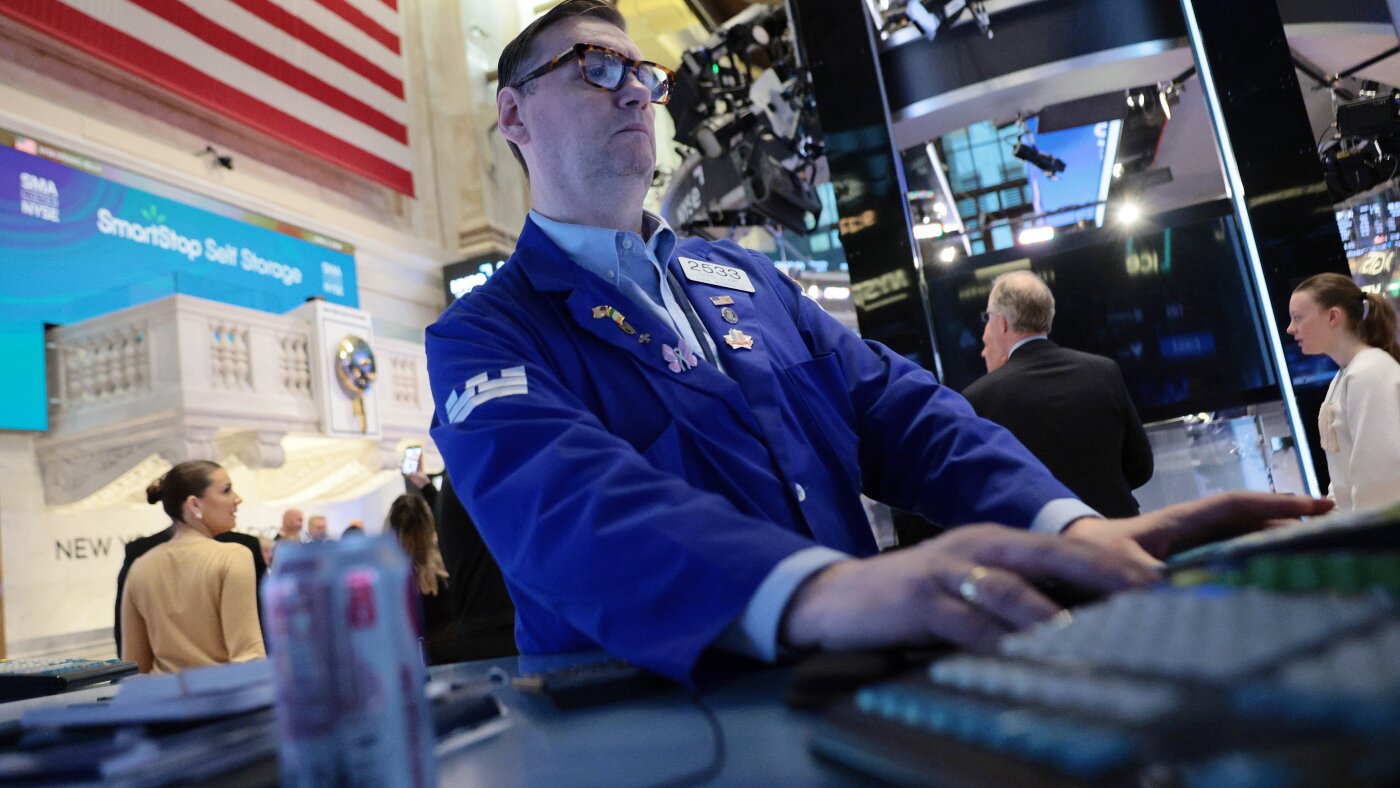
On Wall Street, the response was immediate and pronounced. The Dow Jones Industrial Average rose by over 1,000 points in early trading, emblematic of a broader market rally that also benefited the S&P 500 and Nasdaq. The uptick in U.S. stocks was particularly welcomed after a period of volatility and uncertainty stemming from escalating tensions in the region.
Plummeting Oil Prices Amid Optimism
The global oil market responded in kind, with both U.S. crude futures and Brent crude dipping significantly. The anticipated reopening of the Strait of Hormuz—an essential maritime route accounting for nearly 20% of the world’s oil supply—was a critical factor in this downward trend. This vital waterway had been effectively closed off due to ongoing military actions, leading to a precarious situation for energy supplies worldwide.
As traders reacted to the news of the ceasefire, hopes were high for a swift resolution that would allow maritime passage through this critical channel. The previous blockade had sparked considerable panic in the energy sector, fueling fears of a protracted energy crisis.
Market Reactions to Turbulent U.S.-Iran Relations
The mood on Wall Street has been highly volatile since the U.S. collaborated with Israel to strike Iranian targets over a month ago. Investors have experienced wild swings, oscillating between optimism—fueled by hopes of diplomatic resolutions—and panic, triggered by increasingly hostile rhetoric or military escalations.
Trump’s latest announcement regarding the ceasefire, delivered via social media just hours before a self-imposed deadline for Iran to comply with his demands, underscored the unpredictability of the situation. The announcement seemed calculated to alleviate immediate fears and avert further escalation, but the market remains wary.
Continuing Energy Crisis and Consumer Impact
Despite the positive market response, the underlying energy crisis persists. Trump has emphasized that the ceasefire is contingent upon Iran’s immediate reopening of the Strait of Hormuz. However, the recovery of global energy markets may take time, particularly given the damage already inflicted on oil refineries and other critical infrastructure in the Middle East due to ongoing conflicts.
In the United States, the effects of this crisis have been felt at the gas pumps, where national gasoline prices have surged beyond $4 per gallon. This increase has placed a financial strain on consumers, indicating that the impacts of international conflicts reach far beyond geopolitical boundaries, affecting everyday life.
Conclusion
The current state of U.S.-Iran relations serves as a vivid reminder of the intricate connections between geopolitical events and global economics. As markets react with optimism to ceasefire proposals while grappling with the ongoing repercussions of conflict, investors and consumers alike are left to navigate an uncertain landscape marked by volatility and change.



