

Ongoing Tensions Between the United States and Iran: A Call for Ceasefire and Negotiation
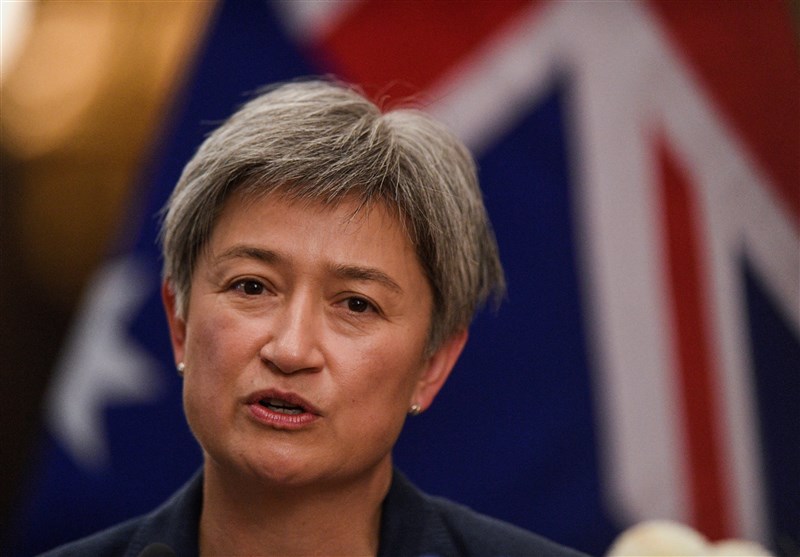
In an increasingly tense global landscape, the relationship between the United States and Iran has taken center stage, drawing the attention of political leaders and analysts alike. Recently, Australian Foreign Minister Penny Wong emphasized the urgency of maintaining a ceasefire and resuming negotiations between the two nations, underscoring the dire need for diplomatic engagement rather than military escalation.
The Disappointment of the Islamabad Talks
The Islamabad Talks, aimed at facilitating dialogue between the U.S. and Iran, ended without reaching an agreement, much to the dismay of Wong. She expressed her disappointment in a public statement, highlighting that an effective resolution is essential not only for the countries involved but also for broader regional stability. The outcome—or lack thereof—of these talks reflects the complex and often contentious history between the two countries, where mistrust and geopolitical interests have frequently thwarted meaningful dialogue.
The Importance of a Ceasefire
Wong’s call for the continuation of the ceasefire resonates with many who fear the repercussions of renewed conflict. She stressed that the priority should be to preserve peace and return to the negotiating table. A ceasefire isn’t merely an absence of war; it acts as a critical foundation for rebuilding trust and creating the necessary conditions for constructive discussions. Without a lull in hostilities, the path to diplomacy becomes increasingly treacherous, heightening the risk of miscalculations and unintended escalations.
Human Costs of Conflict
One of Wong’s key messages revolves around the human costs associated with ongoing hostilities. War brings devastating consequences not only to combatants but also to civilians caught in the crossfire. The potential for rising civilian casualties and humanitarian crises looms large, making it vital for leadership on both sides to prioritize de-escalation. Wong’s warning that any conflict escalation would lead to greater human suffering is a sentiment echoed by various global organizations focusing on human rights and humanitarian needs.
The Global Economic Impact
Beyond immediate human concerns, there’s an overarching question about the impact of this conflict on the global economy. Wong highlighted that heightened tensions could have ripple effects that extend far beyond the Middle East. Economies are interconnected; disruptions in oil supply chains, trade routes, and investment confidence can lead to global economic instability. Countries worldwide might feel the pinch through rising energy prices or shifts in market dynamics. The need for diplomatic dialogue is not only about peace but also about protecting the interconnected global economic framework.
The Path Forward: Engaging in Dialogues
Wong’s compelling call for renewed negotiations underscores the belief that diplomacy should always take precedence over aggression. History has shown that prolonged conflicts often lead to entrenched positions and suffering, making it increasingly difficult to find common ground. For the United States and Iran, re-engaging in diplomatic talks could facilitate a better understanding of each other’s concerns and interests, paving the way for a more sustainable and peaceful relationship.
Looking Ahead
While the future may seem uncertain, Wong’s appeal resonates with the hope that rational dialogue is still possible. As the global community watches and waits, the emphasis on communication, understanding, and diplomacy remains crucial for transforming the current climate of tension into an opportunity for healing and progress. Engaging in open discussions could lead to new pathways for peace, not just for the nations directly involved but for the wider world that feels the effects of their relationship.



