

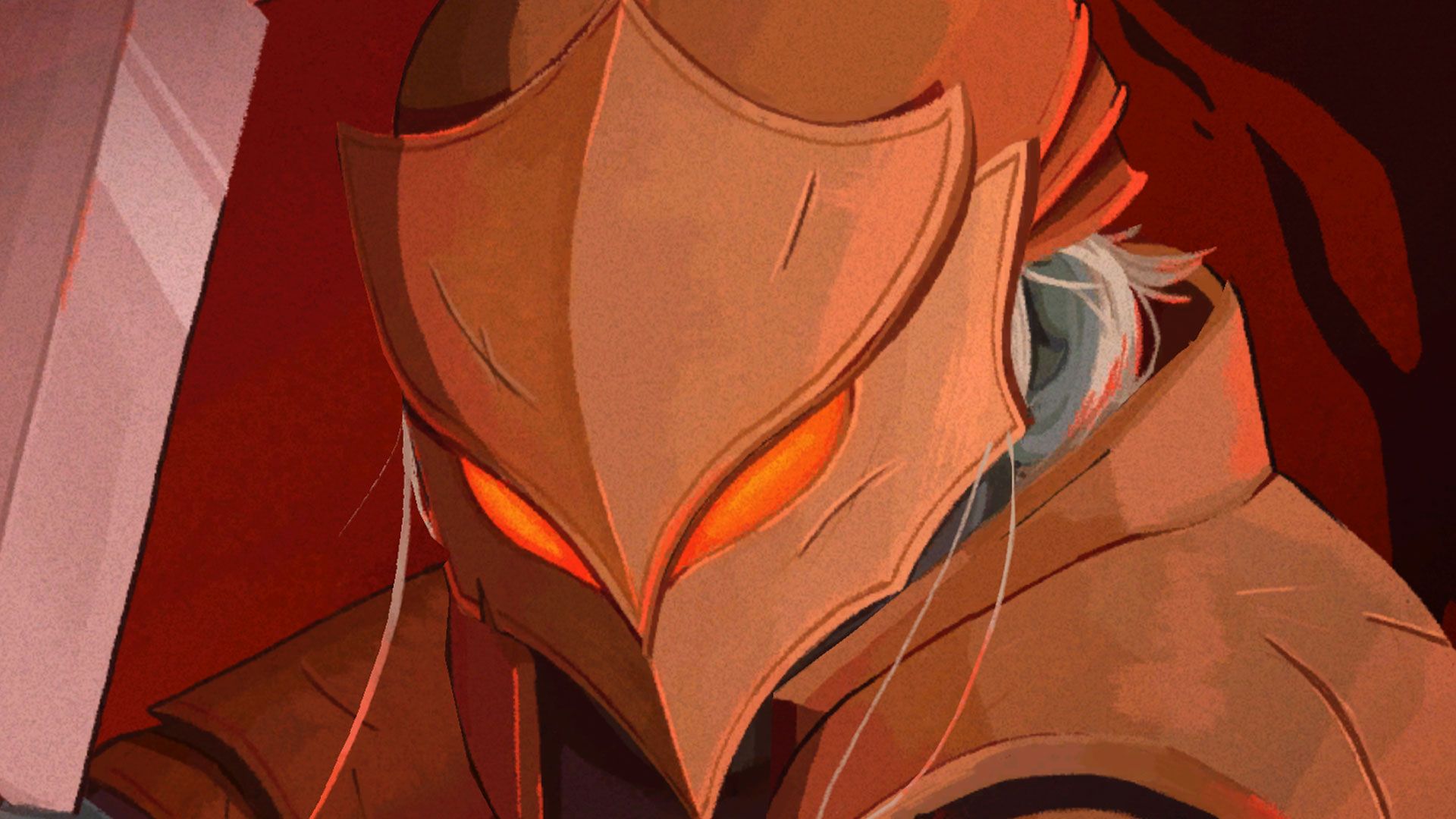
Slay the Spire 2: A New Chapter in Roguelike Card Gaming
Since its launch in March, Slay the Spire 2 has rapidly carved out its place on Steam, becoming one of the most-played games of the year. Building on the success of its predecessor, this sequel offers a richer experience with more content and expanded mechanics. Despite being in early access, Slay the Spire 2 is already delivering a captivating gameplay experience that invites both veterans and newcomers to explore its depths.
Expanding the Spire: More Than Just a Sequel
One of the standout features of Slay the Spire 2 is its ambitious expansion of the original game’s structure. Whereas the first installment had a linear progression, the sequel introduces alternate versions of key acts. For instance, players can now delve into two distinct interpretations of Act 1, dubbed Overgrowth and Underdocks, with more variations for Acts 2 and 3 coming soon. This diversity encourages players to revisit familiar stages, offering fresh experiences even within the same framework.
Community Engagement: Steam Workshop Support
In a move that reinforces developer Mega Crit’s commitment to community engagement, Slay the Spire 2 will soon introduce Steam Workshop support. This allows players to create, share, and explore user-generated content, bringing an entirely new dimension to the game. The sharing of custom cards, events, and other modifications not only enriches the gameplay experience but also cements the game’s status as a platform for creativity and collaboration among players.
Experimental Game Modes and New Characters
Adding to the excitement, Mega Crit has teased the introduction of experimental game modes. These modes are designed to push the boundaries of traditional roguelike mechanics, inviting players to engage in unique challenges that diverge from the standard gameplay loop. Alongside this, a new character is set to join the roster, creating opportunities for new strategies and playstyles. The promise of additional cards, events, relics, and potions further enhances the game’s variability, ensuring players have plenty to explore and master.
A Focus on Quality Over Deadlines
Curiously absent from the roadmap are specific release dates for upcoming features. Casey Yano, co-founder of Mega Crit, explains that adhering to strict timelines doesn’t align with the team’s workflow. Instead, the small team prioritizes a sustainable pace, ensuring that they can create engaging content without compromising quality. Yano stresses the importance of flexibility, enabling spontaneous creativity and allowing for whimsical elements—like dialogues with quirky characters. This approach reflects a genuine investment in crafting an experience players will cherish rather than rushing to meet artificial deadlines.
Engaging with the Community: The Beta Branch
For players eager to get a taste of what the future holds, Mega Crit has provided an option to join the game’s beta branch. This invites fans to try out experimental features and provide feedback—a direct line of communication between developers and their community. However, recent balance changes sparked substantial debate, leading to a wave of negative reviews. While such feedback is valuable, it exemplifies the challenges of making adjustments in a beloved title.
The Pursuit of Whimsy
Throughout its development, one principle remains unyielding for the team: the necessity of whimsy. Yano emphasizes that this lightheartedness is not negotiable. It is this essence that defines Slay the Spire, allowing it to maintain its charm even as it expands into new territories. The balance of seriousness and playfulness is key to the game’s enduring appeal.
Slay the Spire 2 showcases a passionate commitment to evolving gameplay and community interaction, drawing on the strengths of the original while charting new paths. Without a doubt, this sequel is shaping up to be a powerful addition to the roguelike card game genre, worth following as it continues to unfold.



