

Egypt and the United States: A Strategic Partnership Beyond Political Cycles
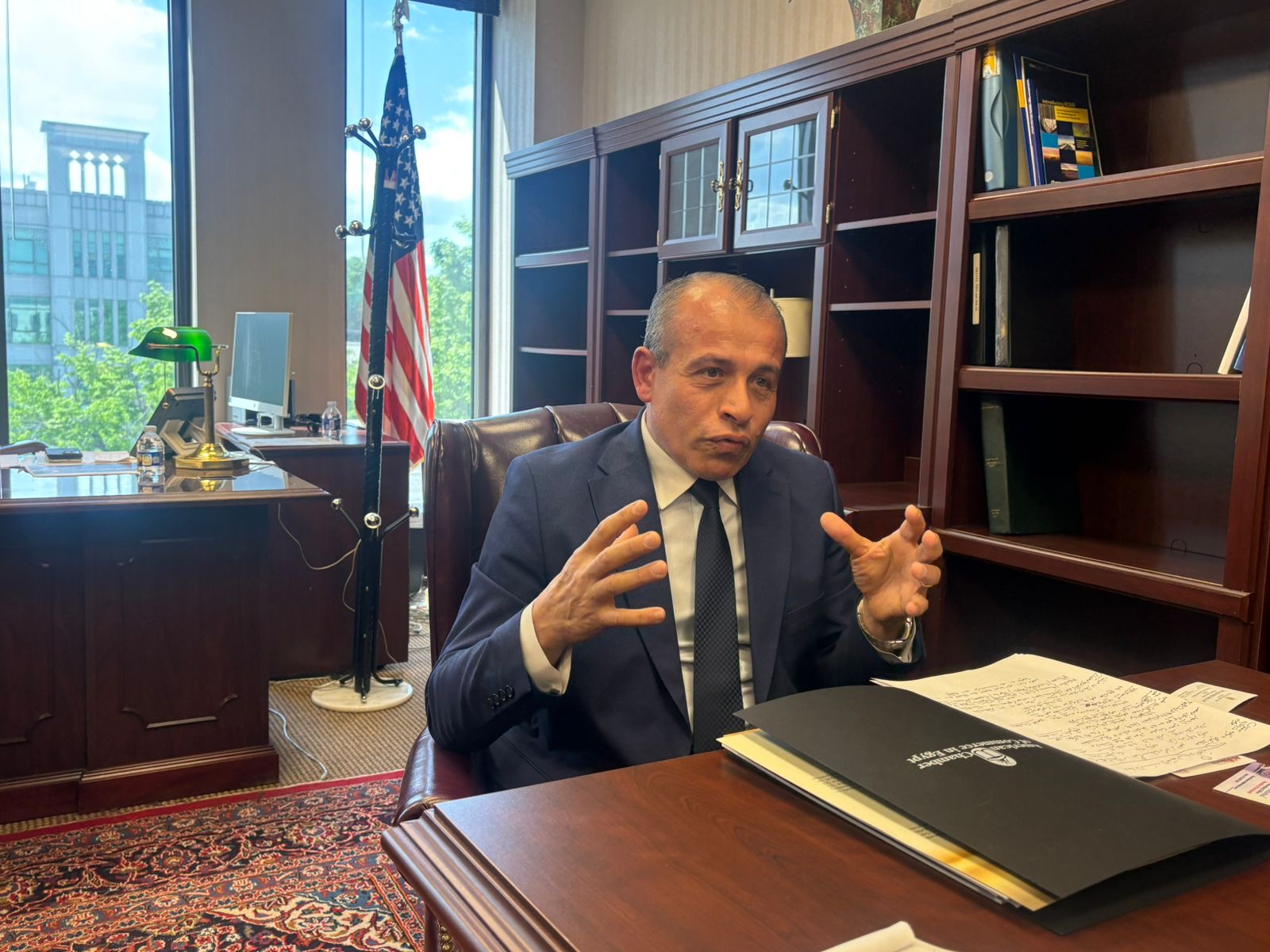
Despite the escalating geopolitical tensions in the Middle East and the ongoing transformations in the global economic landscape, Egypt and the United States maintain a robust strategic partnership that transcends political shifts. This assertion was made clear by senior Egyptian officials during a dialogue with a media delegation, part of the American Chamber of Commerce in Egypt’s (AmCham Egypt) “Doorknock Mission” in Washington.
Long-term Stability Amid Political Fluctuations
Yehia El-Watheq Bellah, Minister Plenipotentiary for Economic and Commercial Affairs at the Egyptian Embassy, emphasized that the Egyptian-American ties are not merely transactional or contingent on the political party in power. “We view the United States not only as a global political power, but as the largest economic engine in the world,” he explained. This understanding establishes a foundation on which Egypt aims to capitalize, seeing U.S. investments as crucial for its economic advancement.
According to El-Watheq Bellah, Egypt’s strategic positioning as a partner in the Middle East is reinforced by its competitive advantages, which make it an appealing regional hub and a gateway for American investments flowing into African and neighboring markets.
Impressive Trade Growth with Ambitious Goals
Recent years have witnessed a significant increase in bilateral trade, particularly evident as U.S. exports to Egypt peaked at $9.5 billion in 2025. This surge is predominantly fueled by the energy sector, where oil and gas transactions accounted for around $4.4 billion. Meanwhile, Egyptian exports to the U.S. rose to $2.9 billion, showcasing a 13% year-on-year increase, yet El-Watheq Bellah noted the need for further growth, particularly given Egypt’s aspiration to exceed $5 billion in non-oil exports.
Currently, the export landscape remains heavily reliant on ready-made garments under the Qualifying Industrial Zones (QIZ) agreement, contributing roughly $1.3 billion. To realize ambitious economic goals, Egypt aims to diversify its export categories and focus on higher value-added industries. “Our new strategy is based on focus, not dispersion. We cannot promote dozens of sectors simultaneously,” he stated firmly.
Targeted Investments in Key Sectors
Investments are increasingly seen as pivotal to achieving economic goals, and El-Watheq Bellah highlighted key sectors where Egypt’s potential is ripe for exploitation. Opportunities abound in telecommunications, pharmaceuticals, automotive manufacturing, agro-industry, and financial services. The Egyptian government is undergoing a transformation to an investor-centric model, aligning its opportunities with international interests while streamlining procedures to expedite project implementation.
Additionally, leveraging Egypt’s network of free trade agreements and the unique advantages of its Suez Canal Economic Zone can offer investors unparalleled access to broader regional markets, enhancing its appeal as a strategic investment hub.
Egypt as a Safe Haven for Global Business
With global shipping routes experiencing increased volatility, Egypt’s strategic geographical positioning has rendered it a beacon of stability for international trade. The linking of the Mediterranean and Red Seas via the Suez Canal fortifies Egypt’s status as a safe haven for business operations. El-Watheq Bellah pointed out that these current global dynamics present a crucial opportunity to deepen economic collaboration between Cairo and Washington.
A Call to Action: The Ideal Time to Invest
In a direct appeal to American investors, El-Watheq Bellah asserted that “Egypt is not just a market of more than 100 million people; it is a gateway to nearly 2 billion consumers through our trade agreements.” He conveyed the message that now is the ideal time for investment, especially before Egypt’s reform cycle is fully realized, possibly leading to increased costs.
While he acknowledged the challenges facing the Egyptian economy, he expressed unwavering confidence in the government’s commitment to reform and capital attraction. “We are working tirelessly in Washington to secure every investment opportunity and every dollar that can support the national economy,” he declared emphatically.
Need for Legislative Reform and Digital Transformation
The path to economic growth also necessitates a robust legislative framework. El-Watheq Bellah urged the importance of overhauling Egypt’s legislative environment to meet contemporary economic needs. “We cannot attract 21st-century investments with laws dating back decades,” he remarked, advocating for a comprehensive legislative revolution that aligns with the modern age of artificial intelligence and digital trade.
His vision extends to a coordinated government effort focused on digital transformation. “The era of fragmented government action is over. Today’s investor expects to establish a company within minutes and access land within days,” he stressed. Prioritizing full digitalisation and minimizing bureaucratic hurdles is seen as crucial for creating a transparent and efficient investment climate.
By fostering an environment conducive to business and reform, Egypt stands poised to enhance its economic partnership with the United States, opening new pathways for collaboration amid a complex global landscape.



