

Michigan’s Datacenter Debate: A Surprising Alliance
A Unlikely Coalition Forms
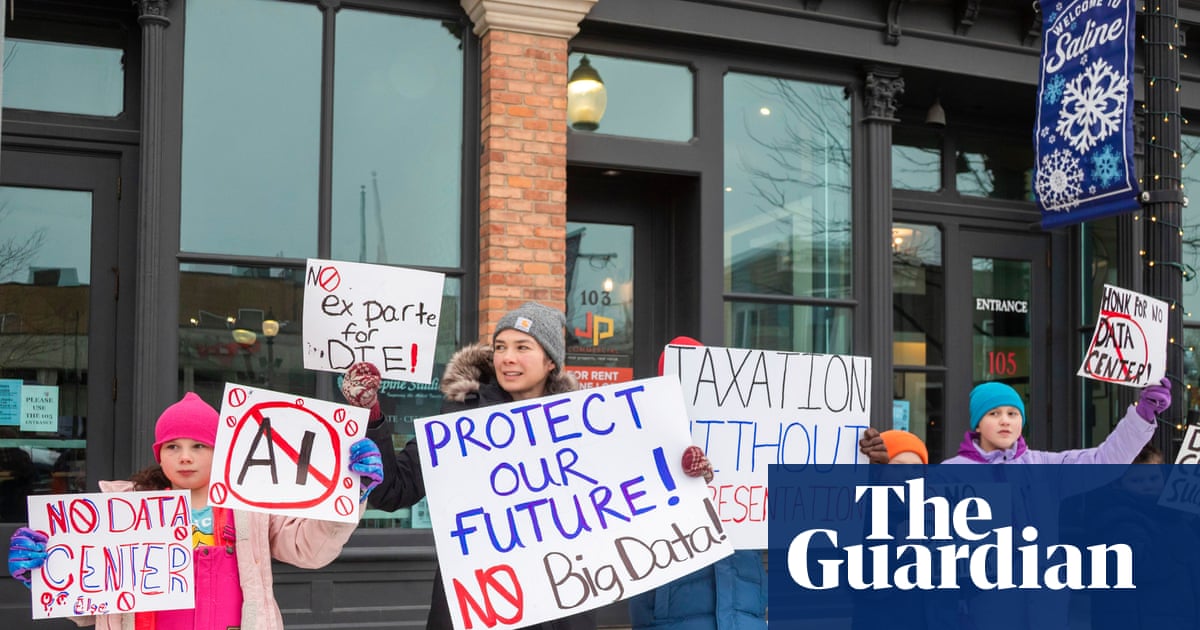
In late October, Michigan witnessed a remarkable turn of events in the ongoing battle over proposed datacenters. Activists from both ends of the political spectrum—rightwing “Stop the Steal” proponents and leftist groups like the Democratic Socialists of America—came together to oppose plans for over a dozen new datacenters across the state. This coalition represents a rare instance of cross-partisan unity in an increasingly polarized political landscape.
Public Sentiment Against Datacenters
Recent polling has illuminated the widespread disapproval among Michigan residents regarding these datacenter proposals. Only 28% of the populace supports their development, highlighting a significant divide between public opinion and political action. In response to the outcry, state congressman Dylan Wegela introduced a bill aimed at repealing datacenter tax credits. However, despite this development seeming initially advantageous for Wegela, the bill attracted few co-sponsors and is unlikely to progress through the legislative process.
Political Inertia
Wegela noted a “lack of political courage” among his colleagues as a major factor contributing to the tepid response from other lawmakers. This inaction exemplifies a troubling dynamic: even when a sizable portion of the electorate expresses opposition to a major issue, political leaders frequently avoid addressing it head-on.
The situation in Michigan mirrors a larger trend across the United States, where datacenters often generate bipartisan hostility yet see scant political action against them. Dubbed "the great unifier," the resistance to datacenters has drawn together a diverse coalition, despite the varying motives underpinning their opposition.
Forces Behind Datacenter Development
Several powerful interests are pushing for additional datacenters, complicating the opposition’s efforts. Big tech companies, the fossil fuel industry, and utility conglomerates align with labor organizations like the AFL-CIO, all eager to tout the jobs that datacenters might create. Political leaders from both major parties are wary of alienating these financial backers, especially in light of the technological sector’s recent shift toward supporting Republican candidates.
Christy McGillivray, a former Sierra Club lobbyist in Michigan, summed up the situation as “a perfect, wild storm.” She highlighted the bipartisan tug-of-war for big tech’s favor, especially after the industry broke spending records in the last election cycle.
Grassroots Resistance
Grassroots activists opposing the datacenters cite numerous concerns, including elevated energy bills, water depletion, and potential pollution. These facilities, crucial for housing AI infrastructure, often do not deliver the promised job growth; in fact, AI is structured in a way that may lead to job losses rather than gains.
The local protests reflect a broader national narrative: working-class communities from varying political backgrounds are increasingly pitted against the interests of tech oligarchs. McGillivray cautioned that the continued inaction from state and federal representatives could erode public trust in democracy.
Calls for Reform
Political pushback against datacenter proposals ranges from pleas for moratoriums to demands for stricter regulations. Notably, figures such as Senator Bernie Sanders and Congresswoman Rashida Tlaib have publicly called for a halt on new datacenter developments. Others, including Senators Elizabeth Warren and Ron Wyden, have sought more stringent regulatory frameworks.
At the state level, governors like Florida’s Ron DeSantis and Virginia’s Abigail Spanberger have begun advocating for protective measures against the potential exploitation of communities by big tech giants.
Missing the Mark
Despite the growing opposition, many politicians remain slow to react, often lacking a thorough understanding of the issues posed by datacenters. Michelle Deatrick, chair of the Democratic National Committee’s Climate Council, believes the rapidly changing landscape requires more informed leadership on Capitol Hill. The urgency of the situation demands that lawmakers grasp the depth of community concerns before it’s too late.
To raise awareness among decision-makers, organizations like Food And Water Watch have launched campaigns aimed at educating legislators and connecting grassroots activists with their representatives. Their goal? To push for an immediate moratorium on new datacenters until comprehensive policies are implemented to protect communities.
Money in Politics
Underlying this conflict is the pervasive influence of money in political systems. In the previous election cycle, tech billionaires directed substantial campaign contributions, favoring Republicans overwhelmingly. This financial clout often dictates political discourse, sidelining constituents’ concerns about rising costs and potential environmental impacts from datacenters.
Advocates assert that the Republican party’s focus on retaining control over Congress and the White House skews policy decisions in favor of big tech. This trend has further complicated the Democrats’ stance, with some leaders cautious about taking a firm position against popular yet financially potent interests.
Union Politics and The Role of the AFL-CIO
The presence of the AFL-CIO complicates the political landscape, as labor advocates often support projects that promise job opportunities for their members, irrespective of public opposition. This internal conflict detracts from broader calls for stricter regulations and community safeguards.
Some observers argue that the Democratic Party’s hesitance to adopt bold stances on significant issues is indicative of a larger cultural shift needed within the party. A willingness to challenge established narratives and question the "magical unicorn" of economic development through datacenters remains absent.
Local Solutions Emerging
As federal inaction continues, grassroots victories at state levels are rising. Recent electoral successes in Georgia demonstrate a growing public interest in tougher regulatory oversight of the datacenter industry. In Michigan, companies like Oracle and OpenAI have ambitious proposals for datacenters that promise massive financial investments, yet skepticism persists regarding job creation and revenue generation.
In stark contrast to these optimistic narratives, the reality of tax breaks and minimal job growth has many questioning the wisdom of such substantial governmental support.
The Heavy Weight of History
Historical patterns also reveal that datacenters in Michigan have consistently fallen short of meeting job and revenue benchmarks. Many political figures remain reluctant to confront externalized costs associated with these facilities. The prevailing sentiment often dismisses questions about sustainability and the broader social impacts of datacenters, which only fosters stronger opposition among the electorate.
Overall, the datacenters in Michigan serve as a microcosm for larger national debates about technology, democracy, and community well-being. As various factions continue to vie for influence, the outcome of this battle will resonate far beyond just one state, potentially reshaping attitudes and policies toward the tech industry across the country.



