

The annual Consumer Electronics Show (CES) always garners significant attention, showcasing the latest innovations in technology. However, amid the glitz and glamour of groundbreaking gadgets, there’s a less glamorous aspect: the infamous “Worst in Show” awards. These anti-awards highlight products that fall short of expectations, either due to their design, functionality, or ethical implications, and this year, the spotlight was no different.
At this year’s CES, artificial intelligence (AI) was a prominent theme, with numerous companies showcasing smart devices infused with advanced tech. However, it was Samsung’s “Bespoke AI Family Hub” refrigerator that took home the coveted title of “Worst in Show.” Consumer advocates critiqued the fridge for its questionable effectiveness and reliability, especially in noisy environments. Gay Gordon-Byrne from the Digital Right to Repair Coalition pointed out that a simple task—keeping food cold—has been complicated by unnecessary AI features. The fridge’s voice commands, instead of simplifying the user experience, led to frustrations when the appliance failed to understand spoken instructions amid the chaotic bustle of a technology expo.
In defense, Samsung argued that a trade show environment is vastly different from a real home setting, emphasizing that their goal is to foster convenience and enjoyment in household management. They underscored their commitment to privacy and security, suggesting that the AI features were designed with consumer trust in mind.
The panel judging the “Worst in Show” entries comprised representatives from organizations like Consumer Reports and the Electronic Frontier Foundation, who scrutinized products based on their uniqueness in failure and potential negative consumer impact. Elizabeth Chamberlain of iFixit expressed that their intention behind these awards isn’t purely to shame manufacturers but to push them toward better practices, highlighting concerning trends in tech design and consumer privacy.
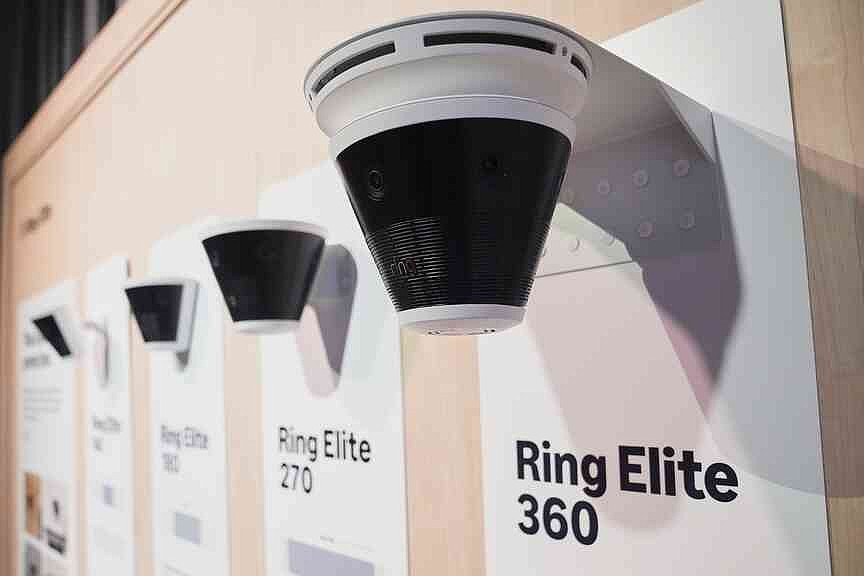
Amazon’s entry into the “Worst in Show” spotlight stemmed from new features for its Ring doorbell camera system, which critics labeled a significant infringement on privacy. Features such as “AI Unusual Event Alert,” designed to detect unexpected occurrences, raised eyebrows for their invasive nature. Cindy Cohn, executive director of the Electronic Frontier Foundation, noted how these features not only include facial recognition but also mobile surveillance towers and a marketplace for questionable applications. The overarching assertion was that more surveillance doesn’t equate to increased safety; in fact, it often erodes personal security.
A significant mention was made about the “People’s Choice” worst product, an AI companion dubbed Ami, produced by the Chinese company Lepro. Marketed as a “3D soulmate,” Ami is designed to provide personal interaction for remote workers. While the product does feature a privacy-conscious camera shutter, advocates raised alarms over the implications of an “always-on” AI device, ruminating on the uncomfortable notion of equating surveillance with companionship.
In a quirky yet troubling turn, the “Lollipop Star,” a candy that plays music while being eaten, attracted attention for its innovative, if not excessive, design. While the product employs bone induction technology to stream tracks directly to the ears, its unrecyclable nature raises environmental concerns—a point highlighted by consumer advocate Nathan Proctor.
Security overreach made headlines again with Merach’s internet-connected treadmill, equipped with an AI coach that assesses user heart rates to dynamically adjust workout conditions. While the promise of personalized training sounds compelling, the collection of extensive biometric data prompted worries among privacy advocates, particularly given the company’s ambiguous privacy policy, which did not guarantee the protection of personal information.
German tech powerhouse Bosch faced scorn for two separate products: an espresso machine that introduced a subscription model for smart features and an e-bike application that emphasized a controversial “parts pairing” mechanism to track stolen components. Critics, including Cory Doctorow, voiced concerns that such practices could impose future restrictions on repairability and user freedom, a sentiment echoed by many in the right-to-repair movement.
Despite the negative spotlight, Bosch defended its innovations, arguing that their inclusion of advanced features like enhanced voice assistance was driven by consumer demand. They stated that their commitment to maintaining consumer trust is paramount, focusing on robust security measures in their products.
This year’s CES certainly showcased a myriad of ambitious technologies, but it simultaneously illuminated a pressing need for consumers and companies alike to navigate the intersection of innovation, privacy, and ethical responsibility. As the tech landscape evolves, so too does the dialogue surrounding what it means to create responsible, user-friendly, and sustainable products.



