

Australian Minister Defends Controversial NYC Trip
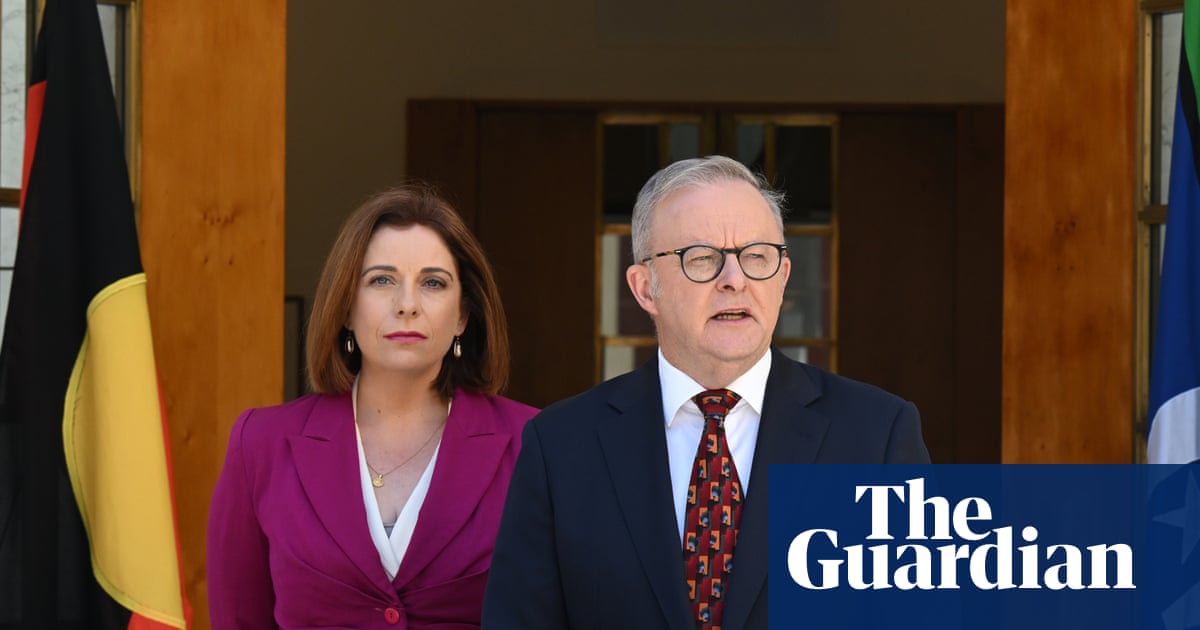
In a move that has sparked significant debate, Australian Prime Minister Anthony Albanese has staunchly defended the decision to authorize a lavish $100,000 trip to New York City. The journey was meant for Communications Minister Anika Wells and two aides to promote Australia’s new social media regulations at the United Nations General Assembly. While Albanese insists the visit was pivotal for strengthening global alliances against tech giants, it has drawn considerable scrutiny over its cost and appropriateness.
Background of the Trip
The trip to New York was strategically timed to coincide with the UN General Assembly, where Wells and her team aimed to garner international support for Australia’s world-first social media ban regulating under-16s. This regulation has been a contentious topic, with significant implications for major tech companies that dominate the social media landscape.
Due to a critical incident involving Optus—a major telecommunications provider in Australia—and the tragic deaths related to a triple-zero emergency service outage, Wells initially delayed her trip. Albanese stated the decision was made to keep her in Australia to address the emerging crisis. However, after the situation stabilized, he later approved last-minute flights for Wells, her staffer, and a governmental official to attend the UN assembly.
Cost Breakdown and Scrutiny
The expenses associated with this trip have raised eyebrows. Taxpayers reportedly incurred a bill of $95,000 for the three flights alone. Additionally, accommodations cost around US$2,985 each for Wells and her staffer, while the departmental official claimed US$5,970. Ground transportation was another US$1,348 per person, culminating in a substantial taxpayer expenditure for what many argue should have been a more modestly managed trip.
The communications department further shelled out US$45,744 (approximately $70,000 AUD) to host an event titled "Protecting Children in the Digital Age" in the delegates’ dining room during the UN session. The event served as a platform to discuss Australia’s groundbreaking social media policy and enhance the country’s diplomatic relationships around these pressing issues.
Political Reactions and Accountability
Criticism of the expenditure has been pervasive. Shadow Finance Minister James Paterson described the flight costs as bewildering and suggested a referral to the Independent Parliamentary Expenses Authority for further investigation. He raised concerns over the justification for such high travel expenses, emphasizing the need for transparency and accountability in the use of public funds.
Wells, in her defense, described the trip as critical for establishing a coalition of support against the powerful tech companies she claimed could isolate Australia on such a significant issue. She stated that all claims were made within the entitlement rules, asserting that her actions adhered to the established guidelines of parliamentary business.
Additional Controversies
This trip is not the only instance marred by controversy for Wells. Reports surfaced revealing that her family used taxpayer-funded family reunion entitlements during a skiing trip to Thredbo while she attended official events there. Political adversaries quickly seized upon this news, suggesting inconsistencies in her adherence to the ethical obligations expected of public officials.
Further allegations surfaced when it was disclosed that during an official trip to Adelaide, Wells attended a friend’s birthday gathering, which detractors argue blurs the lines of legitimate parliamentary duty.
The Bigger Picture
Underlying the criticism is the broader context of how Australian politicians utilize public resources, especially in light of historical scandals that have plagued parliamentarians in recent years. The establishment of the Independent Parliamentary Expenses Authority aimed to address these issues, requiring politicians to justify travel and expenses convincingly.
Albanese, in his defense of Wells’ trip, articulated the importance of taking on global giants, emphasizing the need for Australia to rally support from other nations to combat the influence of these tech conglomerates. The government, he argued, necessitated authenticity in its international communications concerning social media reform.
Minister Wells’ Response
Wells herself has maintained that her trip to the UN assembly was paramount for achieving a successful outcome for Australia’s social media policies. She acknowledged the challenges posed by navigating a complex schedule but insisted that her decisions were made in good faith, prioritizing her responsibilities to the country.
She expressed openness to the scrutiny she’s faced, reaffirming that all expenditures complied with the entitlement scheme available to parliamentarians. Wells asserted that it was essential for her to represent Australia at the UN effectively, even amidst turbulent circumstances back home.
With the social media ban set to roll out imminently, the outcomes of Wells’ diplomacy and the collective international effort remain a focal point amid ongoing discussions about government spending, transparency, and the role of social media in young people’s lives.
This contentious episode serves as a reminder of the delicate balance public officials must maintain between effective governance, public perception, and fiscal responsibility in their service to the nation.



