

Disruptions Ahead for Chinese Airlines: Potential Ticket Sale Impacts
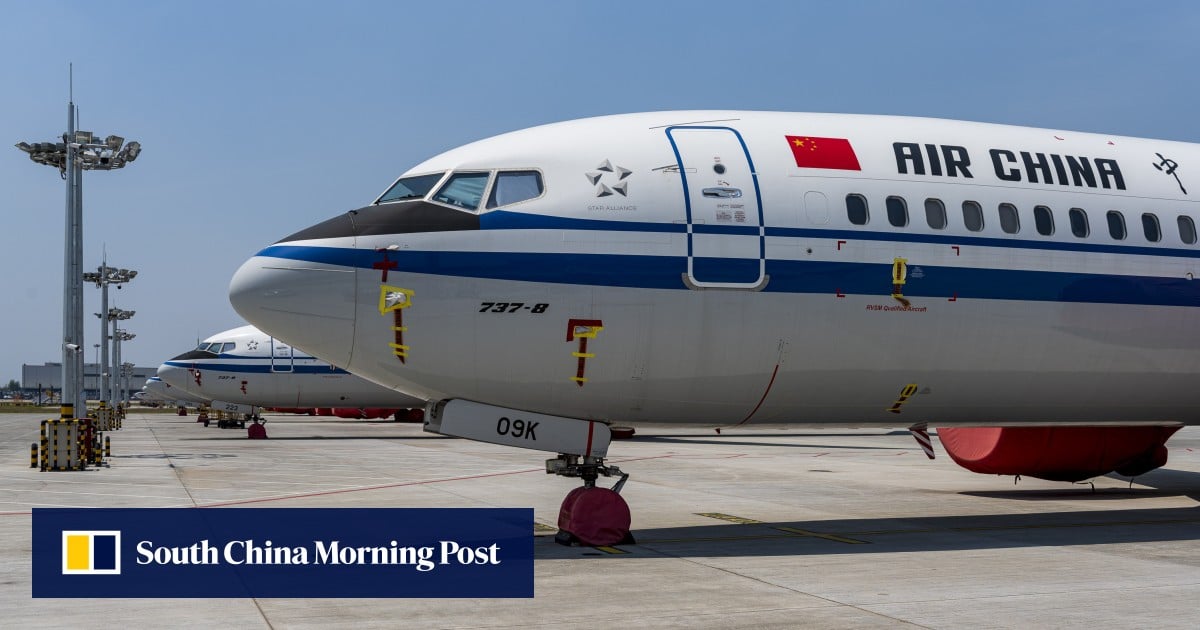
Chinese airlines could be navigating turbulent skies soon, as recent proposals from the U.S. government signal potential disruptions to ticket sales and higher operational costs. The situation stems from the Trump administration’s suggested ban on Chinese air carriers utilizing Russian airspace for flights to and from the United States. Analysts have expressed varied opinions on the likelihood of this proposal being implemented and its potential effects on the aviation market.
The Impact of Flight Route Restrictions
The proposed ban is significant because it primarily concerns the routes that Chinese airlines use to travel between China and the U.S. By restricting the use of Russian airspace, these airlines may face longer flight paths, resulting in increased flight times and operational costs. This shift could effectively lead to higher ticket prices for consumers as airlines attempt to adapt to enhanced logistical challenges. Yang Bo, a Chinese aviation analyst, emphasized the timing of such changes, noting that capacity planning and ticket sales for trans-Pacific routes are typically organized six months ahead of flight schedules.
Financial Ramifications for Airlines
If the restriction comes into play, the financial ramifications for Chinese airlines could be substantial. Yang pointed out that airlines might incur significant losses from cancellations of already sold flights, forced out of need to either absorb the additional costs associated with rerouting or to cancel entire flight routes. The complexities of the airline business mean that any abrupt changes could leave them scrambling to manage passenger compensation and operational capacity.
The Timing of U.S. Proposals
The U.S. Department of Transportation’s recent proposal coincidentally follows China’s announcement of tighter export controls on rare earths, indicating a broader escalation of tensions in U.S.-China relations. Such proposals often come during sensitive geopolitical times, and the timing could affect not only bilateral aviation but also trade relations. For airlines, this means a potential double jeopardy as they navigate both operational challenges and a complicated regulatory landscape.
Competition and Market Dynamics
The motivation behind the proposed ban seems rooted in competitive equities within the aviation sector. U.S. officials have mentioned that the shorter flight routes through Russian airspace give Chinese carriers an unfair competitive advantage over their American counterparts. This competitive imbalance poses a critical question for industry stakeholders: How will market dynamics shift in the wake of potential policy changes, and what strategies will airlines employ to adapt?
Upcoming Flight Scheduling Challenges
As airlines prepare for the coming summer flight season—the only other significant scheduling period in addition to winter—time is of the essence. If the U.S. moves forward with the proposals, it could block approvals for Chinese carriers’ planned routes, throwing a wrench into carefully laid scheduling operations. Yang pointed out that swift regulatory changes could have immediate consequences for airlines as they finalize their flight plans.
Navigating Complex Geopolitical Terrain
In the larger context, these restrictions underscore ongoing geopolitical tensions between the U.S. and China, extending beyond aviation to various trade sectors. The possibility of complex tariffs, export controls, and retaliatory measures adds layers of uncertainty that airlines must navigate. Stakeholders, ranging from airline executives to consumers, will need to keep a close watch on these developments, as their implications could reshape not just routes but the very landscape of international air travel.
By focusing on these multifaceted aspects, it is clear that the current climate presents challenging times for Chinese airlines. The prospect of new regulations and evolving geopolitical realities demands a proactive and nimble approach from airline operators, who must consider their next moves carefully amidst these potential disruptions.



