

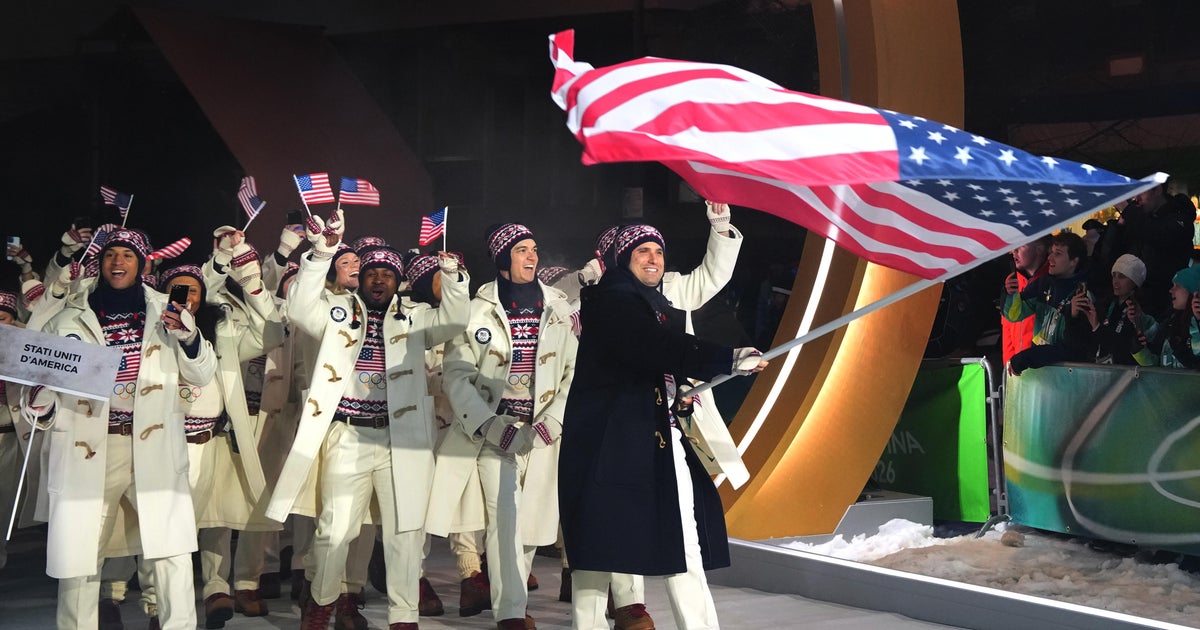
Team USA Athletes Voice Their Thoughts Amid Political Turbulence at the Winter Olympics
As the world turns its eyes to Italy for the start of the Winter Olympics, Team USA athletes find themselves grappling with a bittersweet sense of pride mixed with trepidation. Speaking to reporters, these elite competitors express their complex emotions tied to representing the United States during a politically charged time.
Heartfelt Reflections from Chris Lillis
Team USA freestyle skier Chris Lillis shared his heartfelt sentiments, stating, "I love the USA, and I think I would never want to represent a different country in the Olympics." Yet, he acknowledges a painful truth: "A lot of times athletes are hesitant to talk about political views." In a nuanced response to inquiries about the national climate, particularly regarding ICE’s actions in Minneapolis, he voiced his heartbreak over the state of affairs.
Lillis emphasized the importance of respect for all individuals, saying, "As a country, we need to focus on respecting everybody’s rights and making sure that we’re treating our citizens as well as anybody with love and respect." His hope resonates throughout the athletics community—that the spirit the athletes embody is reflective of the America they aspire to represent.
Hunter Hess: A Complicated Identity
Fellow freestyle skier Hunter Hess echoed similar sentiments, bringing a sense of conflict to his experience of competing under the American flag. "I think it brings up mixed emotions to represent the U.S. right now," he admitted. For Hess, competing carries a personal significance that transcends the larger political landscape. "I’m representing my friends and family back home, the people that represented [the U.S.] before me, all the things that I believe are good about the U.S."
He clarified that wearing the flag does not necessitate endorsing everything happening in the country: "If it aligns with my moral values, I feel like I’m representing it." Hess’s perspective underscores the individual narratives that combine to create a complex tableau of national representation.
Amber Glenn’s Commitment to Advocacy
Amber Glenn, a Texan figure skating champion poised to make her Olympic debut, further highlights the intersection of sport and activism. Reflecting on the struggles faced by the American LGBTQ community under the Trump administration, she spoke candidly about the challenges and fortitude of her community. "It’s been a hard time for the [LGBTQ] community overall," she acknowledged. However, she feels a renewed strength in solidarity, stating, "As a community, we are strong and we support each other."
Glenn is determined to leverage her platform during the Games: "There are things that I disagree with, but as a community, we are strong and we support each other. Brighter days are ahead of us." Her commitment to speaking out against injustices is a testament to the athletes’ understanding that their platforms reach beyond the ice and snow.
Gus Kenworthy’s Bold Expression
Gus Kenworthy, a dual citizen competing for the U.K., made waves with a provocative social media post directed at ICE. He shared a photo with an urgent message written in the snow, advocating for change and urging Americans to hold their representatives accountable. "Innocent people have been murdered, and enough is enough. We can’t wait around while ICE continues to operate with unchecked power in our communities," he posted, demonstrating his willingness to confront those in power.
Despite potential backlash, the International Olympic Committee reassured that such personal expressions on social media would not be regulated, underscoring the complex relationship between sport, politics, and free speech.
The Mixed Reception of American Officials
At the Olympic opening ceremony, Vice President J.D. Vance received a mixed response, eliciting both cheers and boos from the audience. This reaction is indicative of the charged atmosphere surrounding American representation on an international stage. Sarah Hirschland, CEO of the U.S. Olympic and Paralympic Committee, acknowledged the athletes’ readiness for mixed receptions, ensuring they have the support and resources to navigate any discomfort they may encounter.
The Challenge of Representing a Nation in Flux
As the athletes compete, they do so against a backdrop of political strife that complicates their feelings of national pride. Yet, their stories of love for their country and determination to represent values of compassion and respect shine through against the tumultuous political climate. The Winter Olympics serve not only as a platform for athletic excellence but also as a stage for personal and collective expressions of identity, advocacy, and hope.



