

Preparing Pets for a Major Winter Storm: Safety Tips from Experts
As a major winter storm approaches, bringing with it bitter cold and heavy snowfall to western Pennsylvania, it’s crucial to shift our focus beyond just human safety. Our furry friends, who rely on us for their care, also need our attention during these extreme weather conditions. With temperatures plunging and snow accumulation threatening normal routines, it’s essential for pet owners to be informed and prepared.
Adjusting Daily Routines
The first step in ensuring your pet’s safety during snowy weather is to adjust their daily routines. Dr. Mike Hutchinson, a local veterinarian, emphasizes that pets may struggle with the harsh conditions outside. "If they look uncomfortable, they should come right in," he advises. Cold temperatures and deep snow can be daunting; therefore, shortening walks and providing quick bathroom breaks might be necessary.
Responding to their comfort levels is crucial. Dr. Hutchinson reassures pet owners that pets usually understand when changes occur. "When they see that snow, they see it right away. I do think they get it." Creating manageable outdoor paths can help; keep your pet on a short leash to prevent them from getting lost in the snow.
The Hidden Threat of Salt and Ice Melt
Once outside, there’s another unseen danger lurking: the de-icing chemicals on roads and sidewalks. Salt and ice melt can irritate or even burn pet paws. Dr. Hutchinson recommends taking preventive measures. "I recommend people take a cloth with warm water and wipe their pads and feet off when they come in the house every time." This simple act can wash off harmful substances that pets might accidentally lick, minimizing the risk of toxicity.
Investing in Winter Gear
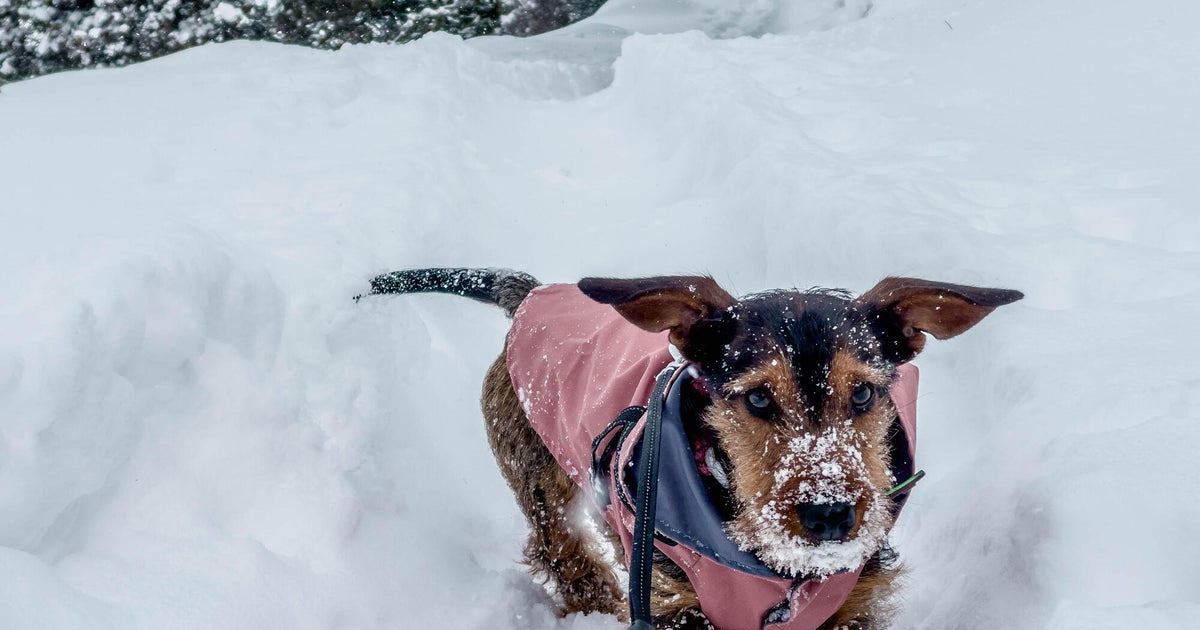
To further safeguard against the elements, consider investing in pet winter gear. Booties, coats, and sweaters can provide vital protection. "Pets can get frostbite and hypothermia just like we can," Dr. Hutchinson warns. Being proactive with protective wear will not only keep your pet warm but will also alleviate some of the stress associated with outdoor excursions.
Monitoring Behavior for Signs of Distress
It’s also important to closely monitor your pet’s behavior when they’re outside. Pay attention to signs of discomfort, such as shivering or reluctance to walk. Dr. Hutchinson suggests that staying with your pet during outdoor moments allows you to judge how long they should stay out. "If you stay with them, you can bring them in at the appropriate time," he explains.
Immediate Veterinary Attention if Needed
In cases where pets may show signs of distress or potential injury, it’s vital to act quickly. Dr. Hutchinson advises pet owners to contact their veterinarian or an emergency animal hospital immediately if their pet appears to be in trouble. "These winter injuries require immediate care," he asserts, highlighting the need for vigilance during such challenging weather.
Keeping Pets Indoors Whenever Possible
While it may sometimes be necessary for pets to go outside, the safest option is to keep them indoors as much as possible. With colder temperatures and the threat of snow and ice, creating a warm, comfortable indoor environment is essential for your pet’s well-being. Providing mental and physical stimulation through indoor play can help compensate for the lack of outdoor activity.
By keeping these expert recommendations in mind, pet owners can navigate the challenges presented by winter storms effectively. Taking proactive steps will not only ensure the safety of your pets but also provide peace of mind in knowing you are doing the best for your furry companions during tough weather conditions.



