

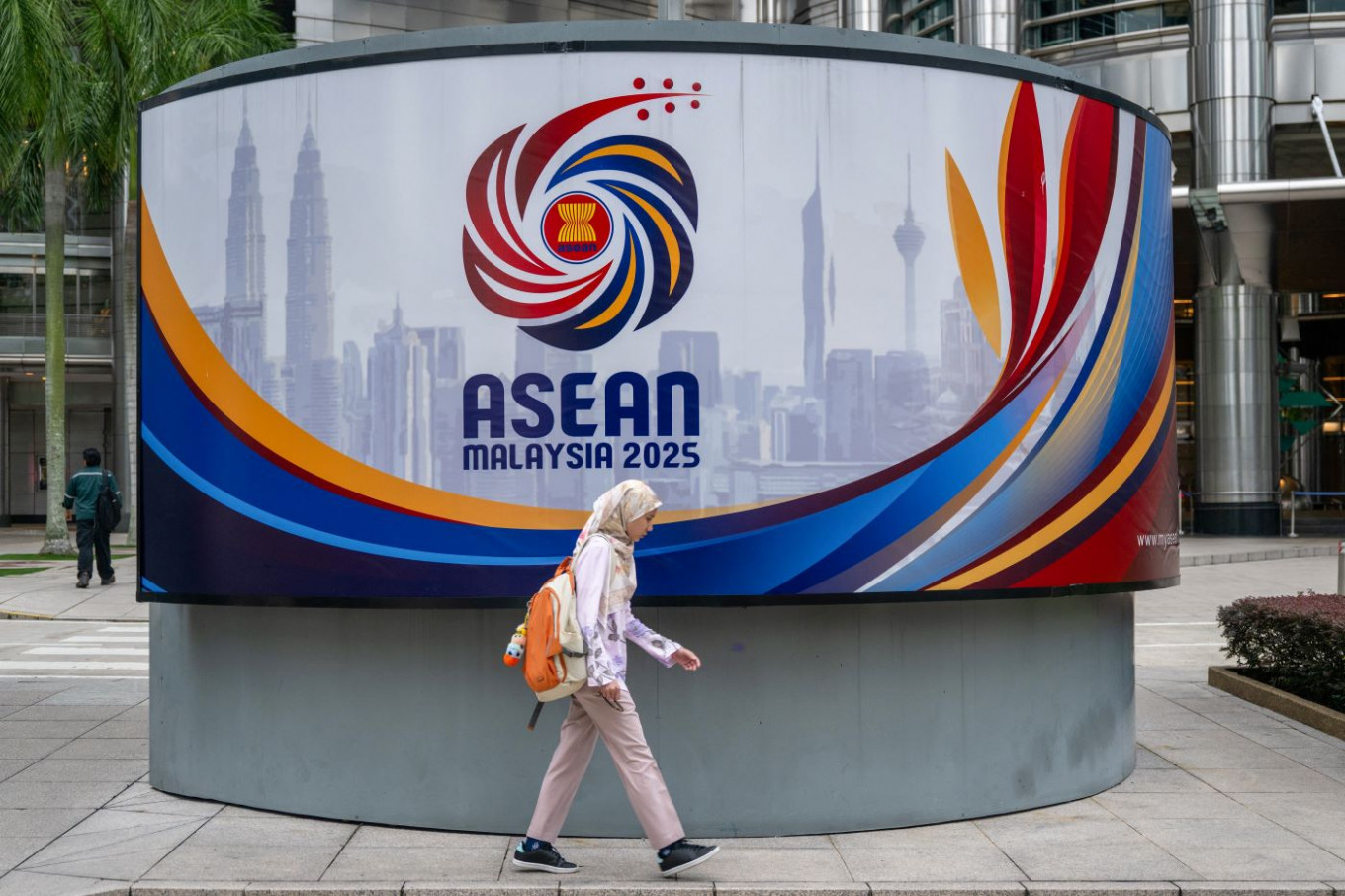
Navigating the New Global Economy: ASEAN in a Time of Change
In recent years, we’ve watched the global economy undergo a seismic shift, one that promises to shape our future in unforeseen ways. The dynamics of trade and investment have transformed; they are no longer merely about the exchange of goods and services. Instead, we’re witnessing these elements becoming strategic tools in the hands of global powers, used for geopolitical and geo-economic purposes.
The Rise of Trade Barriers
A notable trend is the increase in tariffs, export controls, and investment screenings, which countries are using to further their strategic objectives. Large subsidy programs are being rolled out, highlighting a shift from purely market-oriented policies to those that prioritize national interests. Moreover, as nations begin to adapt to these new realities, supply chains are being reconfigured for resilience and security. However, this adaptation comes with risks, notably the fragmentation of the world economy into various blocks.
The U.S.-China Rivalry
At the heart of these shifts lies the rivalry between the United States and China. This competition has permeated various sectors, extending beyond technology into broader domains of industry and trade. The situation has escalated since early this year, when the U.S.—under the administration of President Donald Trump—implemented “reciprocal” tariffs. These tariffs have led to differentiated outcomes across member states of ASEAN (the Association of Southeast Asian Nations), as each nation negotiates its own terms. In response, China and other nations are crafting policies to protect their industries, further complicating the global economic landscape.
Implications for ASEAN Economies
The repercussions of these developments for ASEAN are significant. Many member countries depend heavily on open markets and integration into global value chains. For certain nations, exports to the U.S. represent over 25 percent of their gross domestic product (GDP). Key sectors—like electronics, automotive, textiles, agro-processing, and services—rely on seamless access to both markets and supply chains. They also require consistent standards, both at the borders and behind the scenes.
When large economies like the U.S. shift the rules, even marginally, it creates uncertainty for ASEAN economies. This uncertainty impacts demand, compliance with regulations, and investment strategies. Additionally, trade diversion occurs: goods that are blocked in one market inevitably seek alternative venues, which can lead to trade remedies being implemented. If left unchecked, these remedies can spiral into more widespread trade wars, creating further instability.
Analyzing Potential Economic Scenarios
Analysis from the Center for Strategic and International Studies (CSIS) reveals that the outcomes of these dynamics hinge on the choices made by ASEAN countries. Under a scenario where tariff barriers rise globally, ASEAN’s GDP could plummet by as much as 11 percent. However, if ASEAN nations coordinate effectively, avoiding retaliation, and deepen their integration under frameworks like the Regional Comprehensive Economic Partnership (RCEP), the economic narrative can shift dramatically. Intra-regional trade could bolster growth, flipping potential losses into gains.
The Importance of Coordination
The political aspect of this economic realignment cannot be overlooked. If each ASEAN member negotiates independently, the collective bargaining power diminishes. Varying conditions not only dilute ASEAN’s leverage but also jeopardize the organization’s unity and centrality. This fragmentation can raise costs for businesses that find themselves navigating a patchwork of different regulations and standards across member states.
A Call for Strategic Regional Integration
To adapt to these changing dynamics, ASEAN must prioritize coordination and implement initiatives aimed at deeper integration. Without a unified approach, member nations risk losing their competitive edge in an increasingly fragmented world. This scenario necessitates a collective effort to respond to the evolving economic environment, ensuring that ASEAN remains a central player in the global economic landscape.
As we continue navigating these complex waters, the importance of strategic dialogue and collaborative action among ASEAN member states cannot be overstated. The decisions made in the coming years will be crucial in shaping not just the economic future of the region, but also its political stability and relevance on the world stage.



