

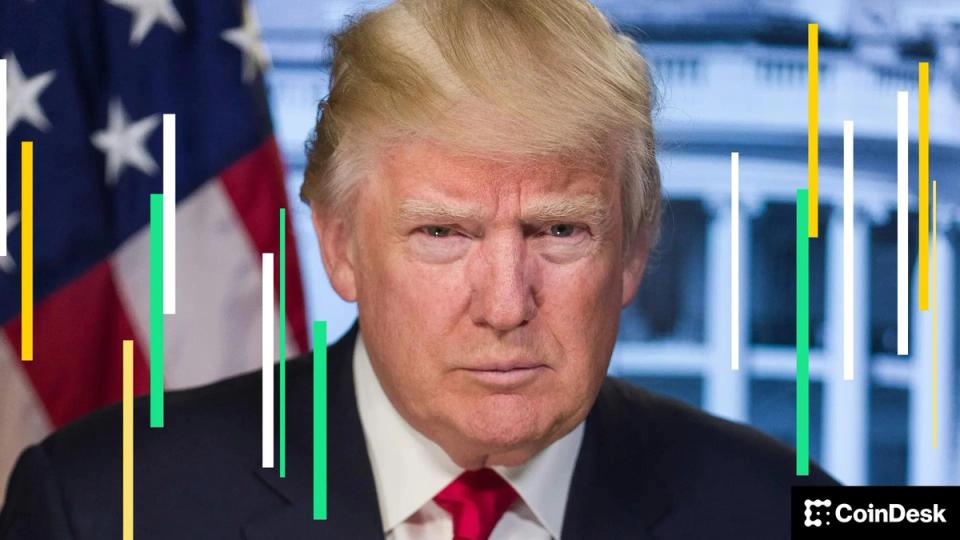
Bitcoin’s Weekend Plummet: A Reflection of Geopolitical Turmoil
Last weekend was a roller-coaster ride for Bitcoin, as the largest cryptocurrency saw its previous week’s gains all but vanish in the face of geopolitical tensions. Bitcoin slid to $69,192 on Sunday morning, marking a 2.2% decline over the past 24 hours and a 3.1% decrease for the week. The catalyst? A startling ultimatum from U.S. President Donald Trump to Iran, which warned of potential military action unless the strategically significant Strait of Hormuz was reopened for commercial shipping.
The Ultimatum and Its Implications
Trump’s warning came late Saturday, giving Iran 48 hours to comply or face strikes on its power plants. The provocative rhetoric—from considering a military de-escalation to threatening civilian infrastructure—sent shockwaves through financial markets. What had appeared to be a week of growing optimism abruptly shifted to panic, leaving investors reeling. Traders were left to navigate a landscape defined by uncertainty, exacerbated by a sudden pivot in Washington’s stance.
Liquidations: A Market in Crisis
Bitcoin’s dramatic decline wasn’t just about investor sentiment; it was reflected quantitatively through liquidation data. According to CoinGlass, a staggering $299 million in total liquidations occurred across 84,239 traders, with long positions dominating the carnage at about $254 million, or nearly 85% of the total.
Bitcoin longs alone suffered losses amounting to $122 million, while Ether longs faced $95.7 million in liquidations. This disarray highlights how heavily the market had leaned toward bullish positions leading into the weekend, making it particularly susceptible to sudden headlines. The largest single liquidation reported was a striking $10 million BTC-USDT swap on OKX.
The Broader Crypto Market Response
The sell-off didn’t stop at Bitcoin. Major cryptocurrencies took a hit across the board. Ether fell 1.8% to $2,114, while XRP dropped by 2.5% to $1.41. Other tokens like BNB slowed down by 1.4% to $633, Solana dipped 2.1% to $88.55, and Dogecoin experienced a 2.7% decrease to $0.092. Interestingly, only Ether and Solana managed to remain slightly positive on the week, up 0.8% and 0.7%, respectively. The overarching narrative for other tokens was distinctly bearish.
The Countdown and Market Sentiment
The ticking clock on the 48-hour ultimatum means that investors face a critical point as the deadline approaches on Monday evening. If Iran opts not to comply—which current indications suggest—it raises the possibility of strikes against power infrastructure. Such actions could deepen the conflict and further destabilize not just the region, but global energy markets, especially given that the Strait of Hormuz is a crucial artery for oil and gas supply, with about 20% of the world’s flows currently disrupted.
The Week’s Rally: A Fragile Foundation
Looking back at last week’s upward rally, which peaked at $75,912, it now appears overly reliant on speculative optimism around potential ceasefire talks. The U.S. Federal Reserve’s decision to hold interest rates with a dovish lean initially seemed promising for risk assets like cryptocurrencies. However, the persistent threat of war appears to have created a risk-averse mood among traders, prompting a caution that stifles any desire to make significant directional bets.
In Summary
Bitcoin and the broader cryptocurrency market are navigating turbulent waters as geopolitical tensions rise. What appeared to be a week filled with hope and growth quickly transformed into uncertainty and fear, casting a long shadow over market sentiment as traders adjust their strategies in response to evolving global dynamics. As we await further developments in Iran, one thing is clear: the intertwining of politics and finance continues to shape the ever-evolving landscape of cryptocurrency trading.



