

The Conundrum of Celebration Amidst Geopolitical Turmoil
As the festive music of the band Sweet Crude reverberated through a packed venue, an underlying current of tension permeated the air at the annual CERAWeek by S&P Global conference in Houston. Just moments prior, retired General Jim Mattis, former defense secretary under President Donald Trump, echoed a foreboding warning about the repercussions of prematurely ending the ongoing U.S.-Iran conflict. His words underscored the precariousness of the Strait of Hormuz, a crucial maritime corridor through which approximately 20% of the world’s oil and gas passes. In essence, the gathering was vibrant yet fraught, a contrast that mirrored the complexities of the global energy landscape.
A Record Attendance Amidst Unrest
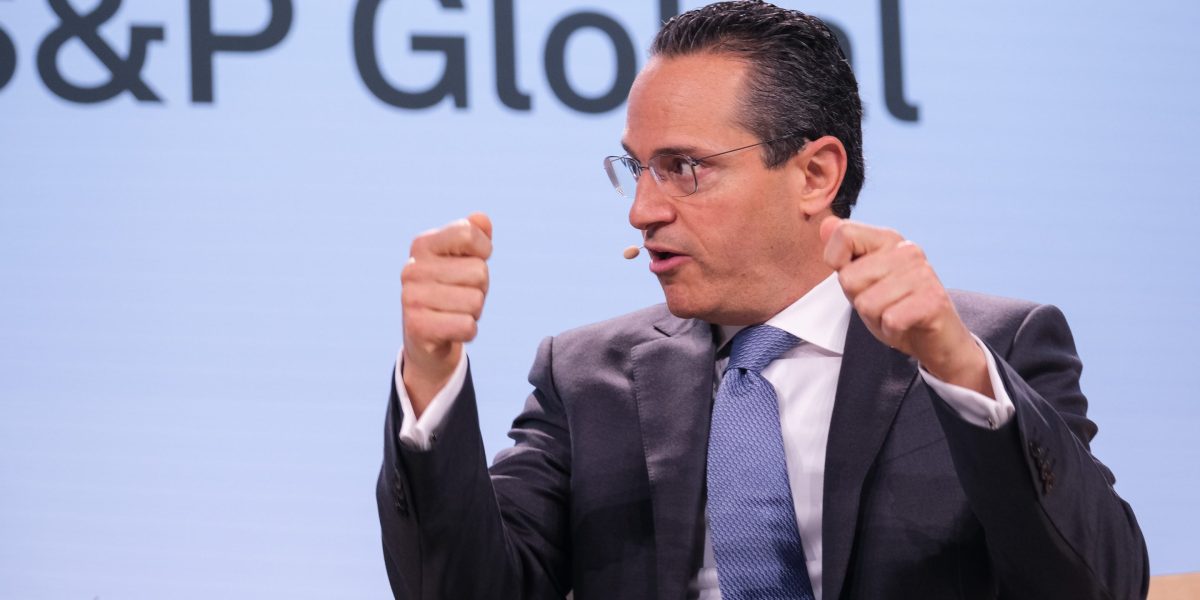
Despite the geopolitical anxiety, CERAWeek managed to attract over 11,000 attendees from 90 countries, often referred to as the "Davos of energy." These numbers reflect a robust interest in the future of energy systems, presenting a veritable who’s who of industry leaders and innovators. However, the celebratory atmosphere was punctuated by the presence of fossil fuel protestors outside, reminding attendees of the contentious nature of energy production and its environmental impacts.
An Energy Renaissance in the Midst of Crisis
The mood inside the conference was centered around triumph, especially regarding expansion opportunities in the crude oil and natural gas markets. A burgeoning demand for electricity driven by artificial intelligence had spurred an infrastructure boom, paving the way for a diverse energy renaissance that includes renewables, nuclear energy, and gas-fired generation. However, the shadow of geopolitical instabilities—specifically the ongoing war with Iran—loomed large, creating an uncertain backdrop for future developments.
Industry leaders, wary of a prolonged closure of the Strait of Hormuz, struggled to navigate this duality. The implications of the strait remaining blocked for an extended time were previously inconceivable, threatening the vital supply chains that underpin global oil and gas markets. As Arjun Murti, a partner at Veriten, remarked, “There’s a lot of somber talk.” The urgency to see the strait open soon was palpable; a prolonged disruption could prove devastating for economies, especially in developing Asia.
Economic Realities and Market Volatility
While producers in the United States benefited from high oil prices—with rates hovering above $100 per barrel—this temporary boom belied deeper market vulnerabilities. Chevron CEO Mike Wirth articulated concerns about "very real physical manifestations" resulting from geopolitical tensions. “Markets are trading off scant information,” he noted. Indeed, the longer the conflict extended, the greater the potential for demand destruction, exacerbated by fears of slipping into a global recession.
Shell CEO Wael Sawan echoed this sentiment, emphasizing that energy supply shortfalls could soon impact Europe, with repercussions rippling across global markets. The interconnectedness of oil and gas industries made the situation increasingly tenuous. The Dow Chemical Company’s Jim Fitterling remarked that inflationary effects would linger throughout the year, indicating that the energy crisis might only be in its early stages.
Resisting Short-Term Shields
Despite the tumult, U.S. energy policy makers like Energy Secretary Chris Wright attempted to reassure industry leaders by promoting increased oil and gas production as a stabilizing force. Yet, the mixed messaging from the administration, punctuated by Trump’s declaration of victory in the war while simultaneously ramping up troop deployments, made outright confidence elusive. “It’s short-term disruption right now,” Wright argued, but many in attendance wrestled with the underlying uncertainties that couldn’t easily be brushed aside.
The Ripple Effect on Global Supply Chains
The fears of cascading impacts echoed through the conference, particularly as various Middle Eastern leaders—including the CEO of Saudi Aramco—canceled attendance, opting instead for recorded messages. Sultan Ahmed Al Jaber remarked on the "economic terrorism" that weaponizing the Strait of Hormuz entailed, asserting that such actions extended far beyond regional borders. Kuwait Petroleum CEO Sheikh Nawaf al-Sabah’s comments highlighted how the implications of Iran’s actions could trigger a domino effect, impacting oil production across neighboring countries.
The Underlying Tensions
The atmosphere at CERAWeek, while vibrant and filled with potential, was a complex mixture of hope and anxiety. Energy executives treaded carefully around discussions of war and politics, preferring to focus on operational strategies rather than make risky predictions. Maynard Holt, CEO of Veriten, encapsulated the prevailing sentiment well: “You have this confluence of factors… that raises the overall anxiety while also limiting public discussion.”
In many ways, CERAWeek served as a microcosm for the larger energy narrative unfolding globally—a narrative characterized by a conflicting desire to celebrate advancements and potential breakthroughs, all under the looming threat of geopolitical uncertainties that could reshape the landscape in unpredictable ways.



