

China’s Growing Investment in Nepal’s Hydropower Sector
China has set its sights on significantly ramping up investments in Nepal’s hydropower sector, a move driven by the Himalayan nation’s rich natural resources and strategic position. This development was recently highlighted by Nepalese Consul General Bindeswar Prasad Lekhak at the Asian Financial Forum in Hong Kong, pointing out the promising opportunities that lie ahead.
A Hydropower Powerhouse
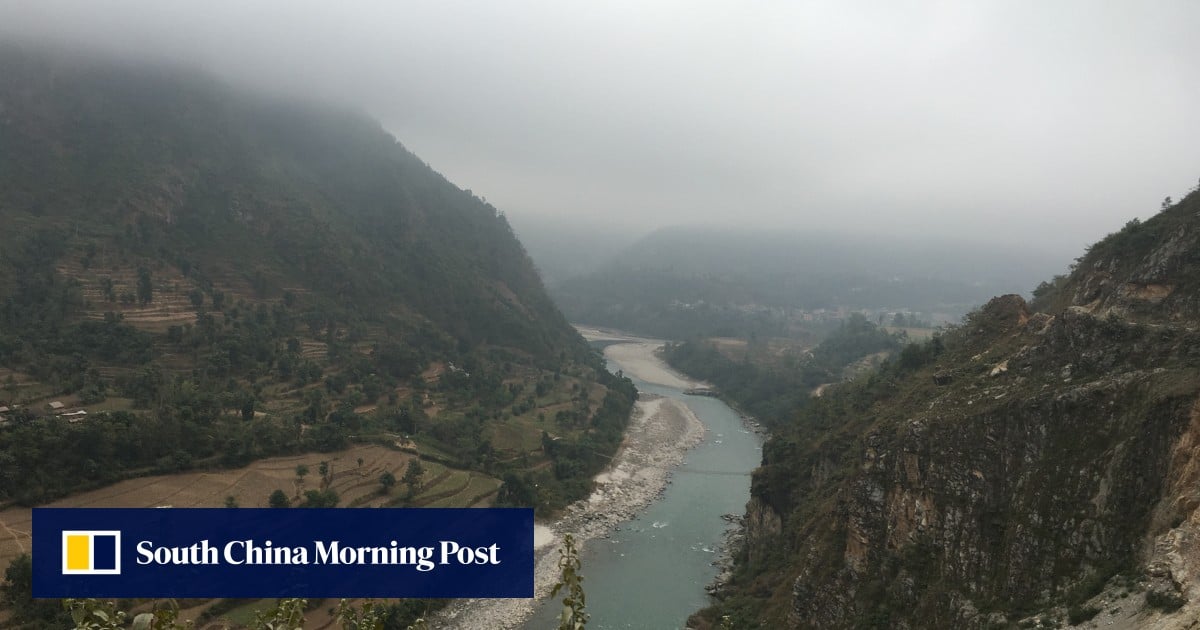
Nepal is blessed with an abundance of untapped hydropower resources, with estimates suggesting it has the potential to generate up to 83,000 megawatts of electricity. This immense capacity is a boon not only for the country’s energy needs but also offers export opportunities to neighboring countries, particularly India. Lekhak emphasized this potential, mentioning the attractive prospect of selling excess electricity generated from hydropower projects across the border.
Strategic Location and Economic Impact
Nestled between two economic giants—China and India—Nepal occupies a unique strategic position. This geographical advantage makes the country particularly appealing for foreign investors looking to expand their footprint in the region. As part of the Belt and Road Initiative, which focuses on enhancing infrastructure throughout Asia, Nepal stands to benefit from increased foreign direct investment that can stimulate economic growth and improve energy infrastructure.
China’s Role as a Major Investor
Highlighting China’s pivotal role, Lekhak stated, “China is the biggest investor in Nepal.” Chinese investments in the country have surged since it opened its hydropower sector to private investment in 2010. Companies from China have been at the forefront of this growth, participating in various projects that aim to harness Nepal’s hydropower potential. With the Chinese government’s continued support, it is expected that these investments will accelerate, further solidifying China’s position as a leading stakeholder in Nepal’s energy landscape.
Future Projects on the Horizon
Looking ahead, Lekhak mentioned that China is not only committed to current investments but is also planning new projects. “They have already proposed some projects,” he said, hinting at an increase in foreign direct investment in the near future. The prospect of additional Chinese financial backing has raised anticipations for upcoming hydropower initiatives that could transform Nepal’s energy supply and overall economy.
The Export Potential
One of the most significant advantages of developing Nepal’s hydropower sector is the export potential to India. Both countries share a long-standing relationship, and this energy trade could strengthen those ties further. The ability to sell electricity generated from Nepal’s rivers to a power-hungry India creates a win-win situation, benefiting not just Nepal’s economy but also aiding India in meeting its energy demands.
Challenges and Considerations
While the outlook appears positive, potential challenges remain to be addressed. Issues such as regulatory frameworks, environmental concerns, and the need for robust infrastructure must be tackled to ensure sustainable development in Nepal’s hydropower sector. Ensuring that investments lead to tangible benefits for local communities will also be crucial in fostering a positive perception of Chinese involvement.
A Future of Opportunities
With ambitious plans in place, the future looks promising for Nepal’s hydropower sector. China’s willingness to invest more significantly opens doors for technological advancements, job creation, and energy self-sufficiency in Nepal. As these possibilities unfold, the dynamics of regional power and economic partnerships are poised to shift, making Nepal a focal point in the energy landscape of South Asia.



