

Bitcoin Market Fluctuations Amidst Geopolitical Tensions
Bitcoin, the leading cryptocurrency, made headlines earlier this week when its value surged past $70,000. This marked a significant moment for investors and the broader crypto market, who have been closely watching the digital asset’s near-vertical ascent. However, just as excitement peaked, Bitcoin’s price retreated to approximately $68,319 at the time of writing, raising questions about the market’s stability in light of geopolitical events.
The Impact of Geopolitical Events
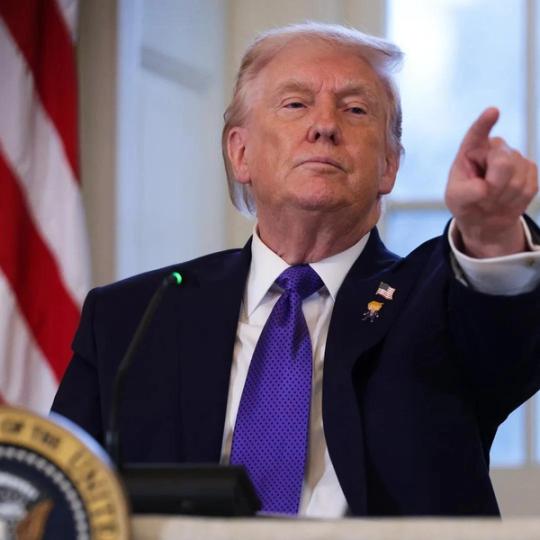
The pullback in Bitcoin’s value coincides with increasing tensions in the Middle East, particularly regarding the Strait of Hormuz. President Trump issued a stark warning ahead of a critical deadline on Tuesday, describing the potential consequences of a military engagement with Iran. His ominous statement on Truth Social emphasized the gravity of the situation: "A whole civilization will die tonight, never to be brought back again." This declaration is a clear signal that investors are wary of the potential fallout from a conflict, leading to a cautious attitude on the markets.
Influence on Other Markets
The ripple effects of such geopolitical tensions are felt across multiple financial platforms. U.S. stock index futures, particularly the tech-heavy Nasdaq 100, are expected to open lower, reflecting growing investor anxiety. Currently, it is projected to see a decline of about 0.65%. This trend isn’t isolated to cryptocurrencies; traditional markets also appear to be mirroring the uncertainty surrounding international relations.
In contrast to the tech sector, crude oil has experienced a price uptick, gaining 1.7% to reach $114.22 per barrel. This rise in oil prices is not unexpected, given that turbulent geopolitical climates often lead to price increases in energy commodities. Investors turn to oil as a safe haven during times of instability, leading to a sell-off in riskier assets like cryptocurrencies.
Market Sentiment and Strategic Responses
As the deadline approaches, sentiments are mixed. While some investors may choose to play it safe and pull back on their investments in Bitcoin and other cryptocurrencies, others may see this as a potential buying opportunity. J.D. Vance, the U.S. Vice President, added a layer of complexity to the narrative by confirming that military objectives relating to Iran have been achieved, which may ease some immediate fears. His statements have the potential to stabilize markets, but the uncertainty of the geopolitical landscape remains a pressing concern.
The Role of Investor Psychology
Investor psychology plays a critical role in these market dynamics. With the threat of conflict looming, fear can lead to rapid sell-offs in digital assets. Cryptocurrency is especially susceptible to these emotional swings due to its relatively nascent and volatile nature. The caution that investors exercise, whether driven by fear or opportunity, will largely determine Bitcoin’s trajectory in the coming days.
Looking Ahead
As the situation develops in the Middle East, all eyes will be on Bitcoin and traditional markets alike. The intertwined fates of geopolitics and cryptocurrency have never been clearer. Updates from political leaders and changes in military posture will likely influence market decisions. Whether Bitcoin can regain its momentum or continues to stabilize around $68,000 will depend heavily on both external factors and internal market sentiments.
In the world of digital currencies, the interplay of global events and market reactions can seem like a finely balanced dance—one small misstep or significant event can lead to substantial shifts in value. As we monitor the unfolding story, the response from investors could define the next chapter in Bitcoin’s saga.



