

The Unprecedented DHS Shutdown: A Deep Dive
The recent shutdown of the Department of Homeland Security (DHS) has garnered headlines as the longest partial shutdown in U.S. history. An agency that employs nearly 194,000 individuals, DHS is pivotal in overseeing various security functions, including TSA operations. On Sunday, as the shutdown reached its six-week mark, many were left feeling the weight of a political stalemate that has turned what once was a routine funding process into a prolonged crisis.
DHS: An Agency in the Crosshairs
The Department of Homeland Security is one of the largest agencies in the federal government, accounting for roughly 9.4% of the total federal workforce. The shutdown has transformed DHS into a political football, tossed back and forth between Congress and the White House without any real progress. Negotiations aimed at funneling money into the agency have faltered, primarily due to disagreements over immigration and customs enforcement (ICE) operations.
The Impact on TSA and Travelers
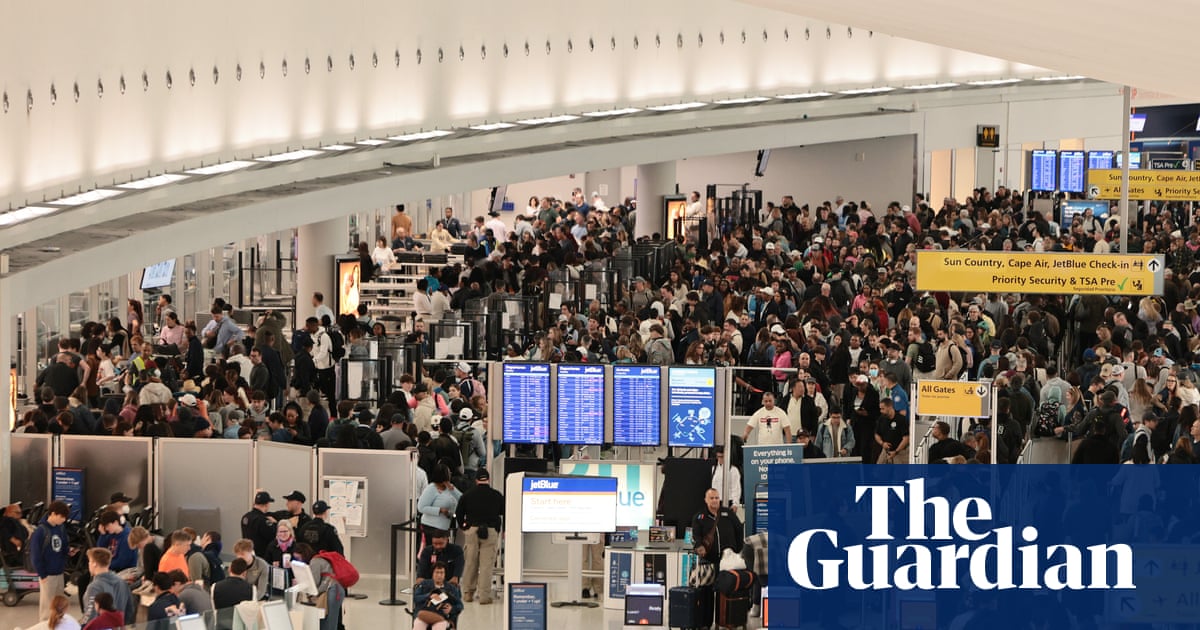
One of the most visible repercussions of the shutdown has been felt at airports. On a recent Friday, more TSA employees failed to report for work than any other day during the shutdown, leading to longer wait times and increased frustration for travelers. Major airports in cities like Baltimore, Houston, and New York City have reported hours-long lines, creating a ripple effect of anxiety for those aiming to catch flights.
The TSA has stated that over 3,560 employees, accounting for more than 12% of the workforce, have called out due to financial strain. According to spokesperson Lauren Bis, the ongoing crisis has led to over 480 TSA workers leaving the agency entirely since the shutdown began.
Efforts to Restore Pay
In an attempt to alleviate some of the burdens faced by TSA employees, President Trump signed a memorandum directing DHS to restore pay to TSA workers. However, uncertainties loom regarding the funding source for these payments, raising legal questions about the ability to bypass Congress for such financial adjustments.
Tom Homan, the White House border czar, noted that while restoring pay to TSA agents is a start, thousands of other DHS employees remain unpaid. The focus now shifts toward figuring out how many TSA agents are returning and whether ICE agents will continue to assist at airports.
Legislative Stalemate in Congress
Compounding the dilemma, lawmakers in the House recently rejected a Senate-passed bill aimed at funding parts of the DHS, creating further discord between Republican factions. Speaker Mike Johnson referred to the bill as a "gambit," expressing skepticism over whether Senate Republicans fully understood its implications.
Frustration among federal employees is palpable. Everett Kelley, president of the American Federation of Government Employees, expressed his disgust at the lack of leadership, calling for immediate action from Congress. His plea highlighted a sense of urgency; families are struggling to meet basic needs, compounded by a legislative gridlock that many see as unconscionable.
The Business Community Weighs In
Airline leaders and airport executives have not remained silent either. They’ve urged lawmakers to expedite the process to pass existing bipartisan proposals that could mitigate the ongoing turmoil. The Modern Skies Coalition issued a joint statement imploring Congress to take decisive action rather than allowing the situation to escalate further.
Chris Sununu, a former New Hampshire governor and CEO of Airlines for America, echoed these sentiments in an op-ed, pointing out that lawmakers must prioritize the issue at hand before the crisis worsens. Airline executives are concerned that continued delays in funding will lead to disgruntled passengers and chaotic airport conditions.
Navigating a Polarized Political Landscape
The turmoil surrounding the DHS shutdown reflects deeper issues within the political climate in Washington. Law experts, such as Eric Chaffee from Case Western Reserve, indicate that any solutions to current stalemates need considerable public support to have any traction. Polarization in politics has made effective negotiation increasingly challenging, paving the way for a climate of uncertainty about whether any proposed bills will pass.
As the DHS shutdown continues, the ramifications affect not only federal employees but also impact everyday life for Americans relying on secure travel and safety. The stakes are high, and whether a long-term resolution can be achieved remains to be seen as disgruntled voices from various sectors call for action.



