

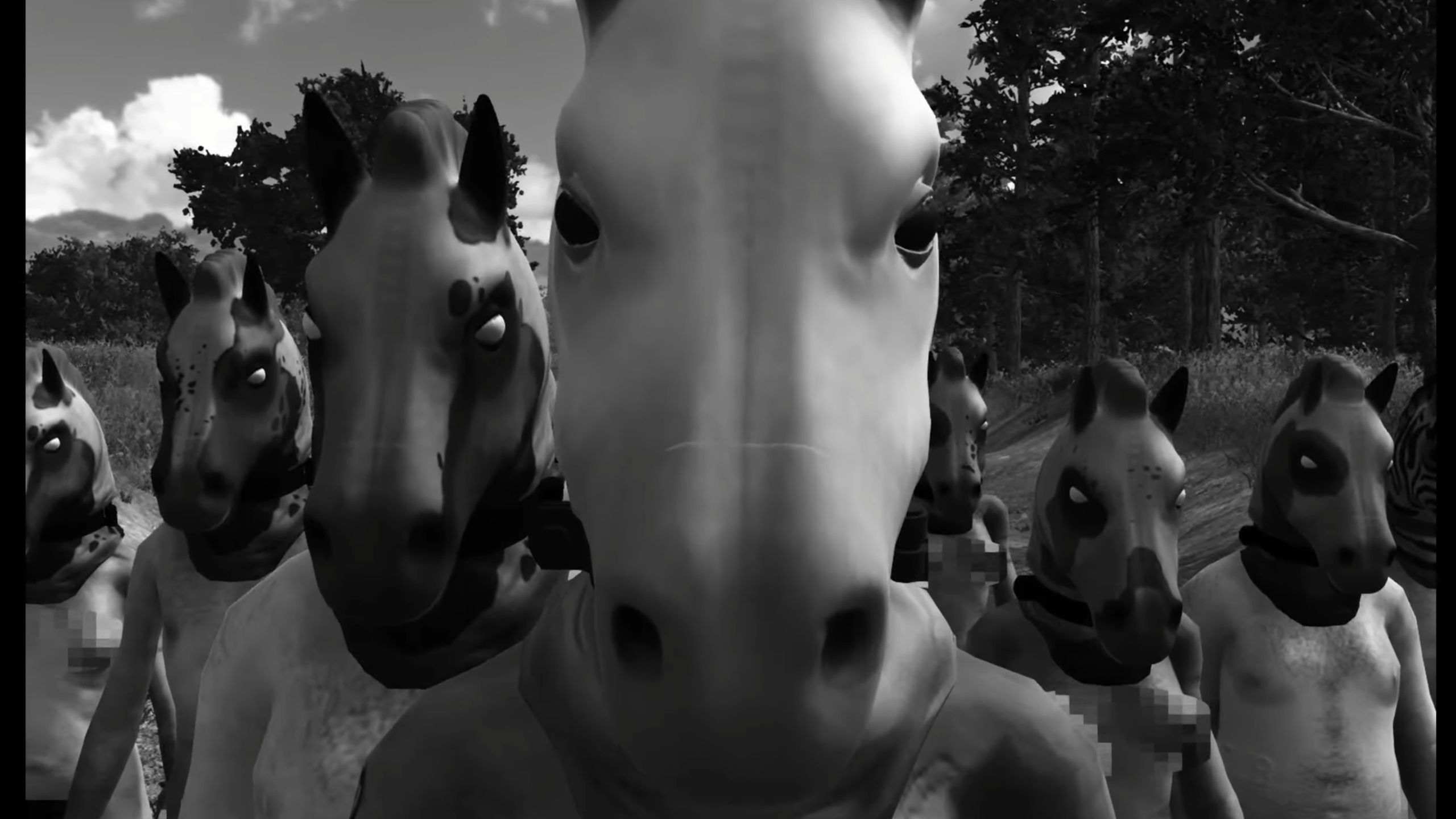
The Controversy Surrounding the Indie Horror Game "Horses"
A week after the indie horror game Horses suffered a ban from the Steam platform, Epic Games followed suit with a last-minute decision to reject the game from its own storefront. Published by Santa Ragione, the game was expected to launch a day later on December 2. According to a blog update from Santa Ragione, Epic notified them just before the deadline, stating that Horses violated its policies regarding “inappropriate content” and “hateful or abusive content.”
The Communication Breakdown
Interestingly, Epic Games did not clarify how exactly Horses had breached its guidelines. Santa Ragione described their communication with Epic as frustrating, noting that the feedback included “broad and demonstrably incorrect claims.” After filing an appeal, they received a rejection only 12 hours later, still lacking thorough explanations or guidance on how to bring the game into compliance.
While Epic suggested that the game could be updated to meet their guidelines, the nature of the last-minute communication severely limited Santa Ragione’s ability to effect any meaningful changes. This scenario raises alarming questions about the transparency and fairness of content moderation practices in major gaming platforms.
Age Rating Confusion
Part of Epic’s rejection was based on its own review process, which allegedly resulted in a designation of Adult Only (AO) for Horses, a claim Santa Ragione disputes. They maintain that they previously submitted the International Age Rating Coalition questionnaire and received ratings of PEGI 18 and ESRB M, visible on the Horses page on the Epic Games Store. This discrepancy leads to questions about the effectiveness and consistency of Epic’s content rating process.
Santa Ragione has also raised concerns about the redundancy of re-evaluating a game that has already undergone a review process, emphasizing that their final build had been approved for release prior to the ban.
Content and Artistic Intent
The game contains nudity and adult themes, leading to significant debate around its artistic merit versus censorship. Santa Ragione has been vocal in defending Horses, arguing that it does not feature explicit or frequent depictions of sexual behavior. All instances of nudity are pixelated, and sexual content is presented in stylized, unrealistic manners. Despite the presence of a few censored sexual sequences, Santa Ragione insists that the game’s narrative critiques violence and abuse rather than glorifying it.
This controversy touches on a larger issue within the gaming industry, where the line between artistic expression and commercial viability is often blurred. The pressure for platforms to avoid adult-oriented content, especially due to external pressures from payment processors, complicates the dialogue around how indie developers can release unorthodox or provocative works.
The Broader Implications
The situation with Horses has sparked conversations about platform monopolies and the limitations they impose on developers. Critics argue that major storefronts wield excessive power, making opaque decisions that not only impact the availability of games but also stifle creative freedom in the gaming medium.
With Epic Games historically operating a more selective storefront compared to Steam, which has hosted a variety of explicit content, the decision to ban Horses may reflect a growing caution regarding adult themes in an industry still wrestling with its image.
Alternative Distribution Avenues
Despite setbacks from Steam and Epic, Horses has found alternative platforms to launch, such as GOG, Itch.io, and the Humble Store. Initially, the Humble Store planned to distribute via Epic keys but shifted to a DRM-free model post-ban, which may offer gamers and developers alike a promising way forward amid the new challenges.
These alternative outlets for distribution indicate that while mainstream platforms may impose rigid restrictions, indie games that challenge conventions can still find their own niche audiences. Such developments underscore the dynamic nature of game distribution in an evolving tech ecosystem—where both innovation and confrontation thrive.
Ongoing Debate
As the gaming community closely follows the Horses saga, it underscores the complexities of censorship, the responsibilities of digital storefronts, and the pivotal role that player and developer advocacy play in shaping the future of independent gaming. The situation raises important questions about how we define art in games and whom we allow to set those standards.



