

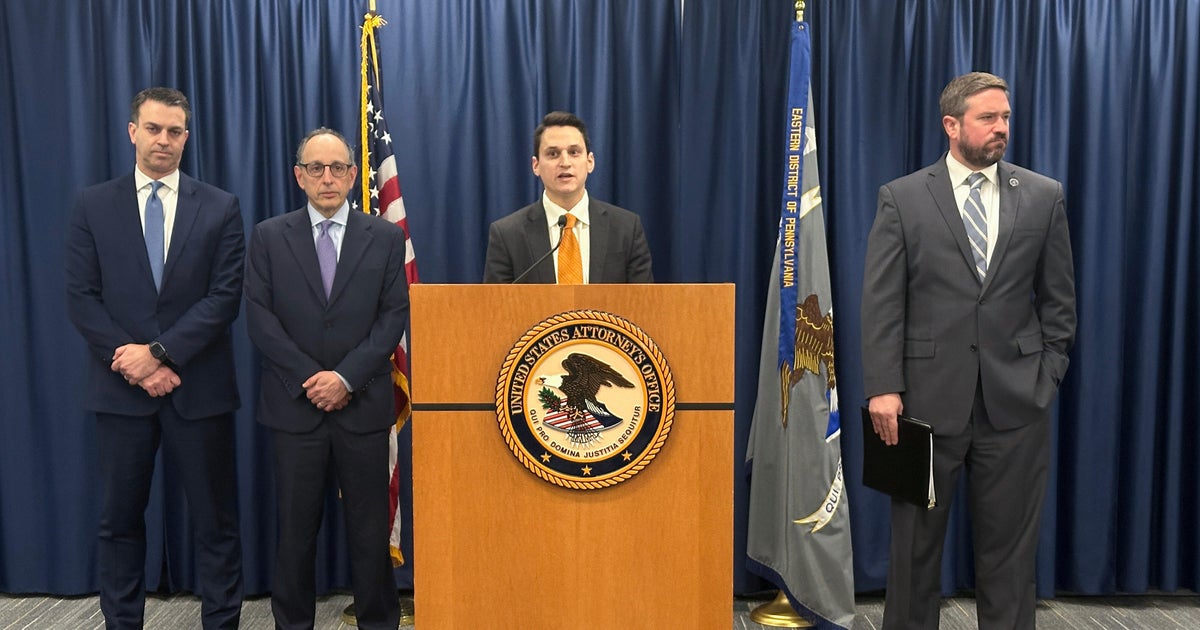
The Heart of the Matter: Allegations of Point Shaving in College Basketball
In the bustling world of college basketball, the stakes are always high. However, the shadows of illicit activities loom larger every day. On a mild February night in 2024, an incident in Greensboro, North Carolina, would shake the foundations of collegiate sports. Camian Shell, a player for the North Carolina A&T men’s basketball team, allegedly sent a heart emoji in response to a suspicious text just hours before a significant game. By the game’s end, Shell’s team, who once held promise, faced a crushing 84-58 defeat, raising eyebrows and questions about the integrity of the game.
The Emoji That Changed Everything
What may seem like a light-hearted response transformed into a pivotal piece of evidence in a sweeping federal investigation into point shaving — a practice where players deliberately underperform to influence the game’s outcome and point spread. Shell is not alone; he is part of a larger investigation implicating over a dozen college athletes accused of accepting bribes from gamblers to manipulate game results. The cryptocurrency of emotions—a simple heart emoji—has now taken center stage in a scandal that permeates the collegiate sports landscape.
The Conspiracy Unveiled
The unfolding drama centers on a web of conspirators texting players like Shell, asking for their cooperation in shaving points. According to prosecutors, the heart emoji was a tacit acknowledgment of Shell’s agreement to underperform, impacting the game’s first half as anticipated. The implications are staggering: nearly 30 NCAA basketball games in 2024 and 2025 are believed to have been compromised.
For sports fans, the correlation between gambling and performance raises unsettling questions about the integrity of the games they adore. The case comes on the heels of other high-profile investigations, including MLB pitchers charged with rigging pitches and even an NBA player allegedly conspiring with gamblers to underperform.
A Call for Oversight
The news has ignited debates on the need for increased oversight in sports gambling. In light of these revelations, former federal corruption prosecutor, Carolyn Pokorny, has stepped forward with a proposal for an “inspector general for sports integrity,” funded by the leagues but operating independently. The rationale is straightforward: when your reputation and financial model hinge on fair play, an impartial investigation is essential.
Pokorny highlights the risk sports organizations face in investigating themselves. "You just can’t investigate yourself credibly," she asserts, advocating for a body that can independently monitor for illicit betting and associated misconduct.
Weighing the Risks
As sports betting becomes more widely accepted and legalized, the vulnerabilities in major leagues are laid bare. Pokorny notes that though the Justice Department has made strides, its resources are stretched thin, focusing on a myriad of issues far beyond sports integrity. The need for dedicated oversight takes on greater urgency as the conversation surrounding systemic abuse continues to grow.
Responses from the Major Leagues
The NCAA, in response to this expansive investigation and public outcry, stands by its existing measures. It boasts of having one of the largest integrity monitoring programs globally and has called for stricter regulations surrounding prop bets—bets on individual players rather than the game’s outcome, which the NCAA states pose particular integrity risks.
The four major professional leagues—NFL, MLB, NBA, and NHL—remained silent on this proposal, yet their inaction could contribute to continued vulnerabilities within their organizations. The investigations into these allegations serve as a grim reminder of the fine line between competition and corruption in sports.
Investigative Challenges
The Justice Department’s extensive investigation into NCAA basketball gambles required nearly two years and involved 26 defendants. Many of the compromised games took place in early 2024, with bribes ranging from $10,000 to $30,000 per game. Allegations reveal that schemers targeted games involving teams that were favored to lose, incentivizing players to underperform deliberately.
According to investigators, incidents affecting teams like North Carolina A&T, Towson, and DePaul serve as a microcosm of a much larger issue threatening collegiate sports.
Looking Ahead
Despite the gravity of these allegations, there has been little observable impact on the financial health of professional leagues or the NCAA, at least for now. Attendance, sponsorships, and viewership remain steady, suggesting a resilience among sports fans.
As the conversation continues, the weight of calls for an independent body to oversee sports integrity underscores a pivotal moment in sports history. With millions of fans and billions in stakes, the question remains: how do we safeguard the integrity of our beloved games? The heart emoji that once signified love and affection has morphed into a symbol of the complexities and challenges facing the industry today.



