

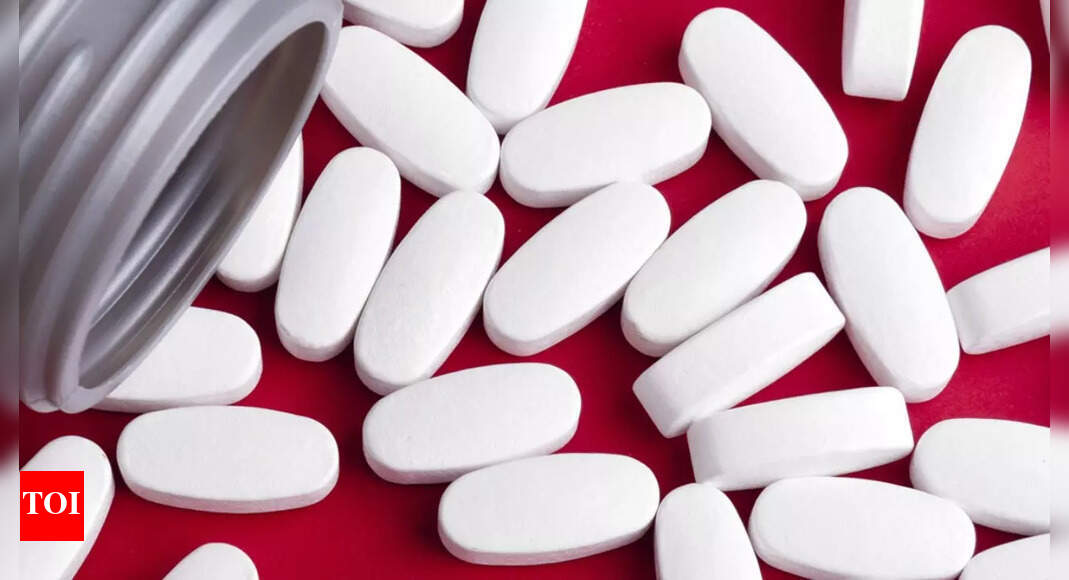
FDA Recalls Over 140,000 Bottles of Cholesterol Medication
In a significant health alert, the U.S. Food and Drug Administration (FDA) announced a recall of over 140,000 bottles of Atorvastatin Calcium Tablets, a commonly prescribed medication for lowering cholesterol. Manufactured by Ascend Laboratories, this recall affects 141,984 bottles, which raises concerns among patients and healthcare providers alike.
Understanding the Recall
The recall, initiated in September 2025, was classified as a Class II recall. According to the FDA, a Class II designation means that while the use of the affected product may cause temporary or medically reversible health issues, the likelihood of serious consequences is remote. The recall specifically involved medications that were dispensed via prescriptions only, which means they are primarily used by individuals who have been advised by healthcare professionals to manage their cholesterol levels.
What Caused the Recall?
The reason behind this recall is concerning: the tablets failed to meet "dissolution specifications." In layman’s terms, this means that the medication does not dissolve properly in the body, making it less likely to be absorbed effectively. When medications do not dissolve as intended, they can fail to work properly, leaving patients without the expected health benefits.
The affected tablets are available in different dosages—10 mg, 20 mg, 40 mg, and 80 mg—and were distributed worldwide. This error puts a spotlight on the importance of rigorous quality control processes in pharmaceutical manufacturing.
Packaging and Distribution
The recalled Atorvastatin Calcium Tablets were packaged in various counts: 90, 500, and 1,000 bottles, with expiration dates extending as far out as February 2027. To identify whether you have an affected bottle, the FDA has provided specific lot numbers that can be checked through their official website.
Understanding Cholesterol and Its Importance
Cholesterol is a fatty substance that is essential for building cells and producing certain hormones. However, an excess amount can lead to serious health issues, including heart disease and stroke. High cholesterol often has no symptoms, making regular blood tests crucial for early detection.
Certain demographics—such as individuals over 50, men, people who have gone through menopause, and individuals of South Asian or sub-Saharan African descent—are at a higher risk of developing high cholesterol. Lifestyle factors, including a poor diet, lack of exercise, and smoking, further increase this risk.
The Role of Medications
Approximately 47 million Americans take cholesterol-lowering medications daily. Statins, like Atorvastatin, are particularly common. These medications the reduce the amount of cholesterol produced by the liver, helping prevent the formation of plaque in the arteries, which can lead to heart attacks and strokes.
While lifestyle changes, such as adopting a healthier diet and increasing physical activity, can be effective in managing cholesterol levels, medication is often essential for individuals with significantly high levels or those at high risk.
Current Health Guidance
If you are currently taking Atorvastatin or any other medication affected by this recall, it’s vital to consult your healthcare provider. They can offer guidance on alternative medications or adjustments in your treatment plan to manage cholesterol effectively.
Although no illnesses have been reported in relation to this specific recall, being proactive about your health—especially when it involves medication—is always the best course of action.
For your safety and to stay informed, follow updates from the FDA and healthcare professionals regarding this recall and any other health-related issues.



