

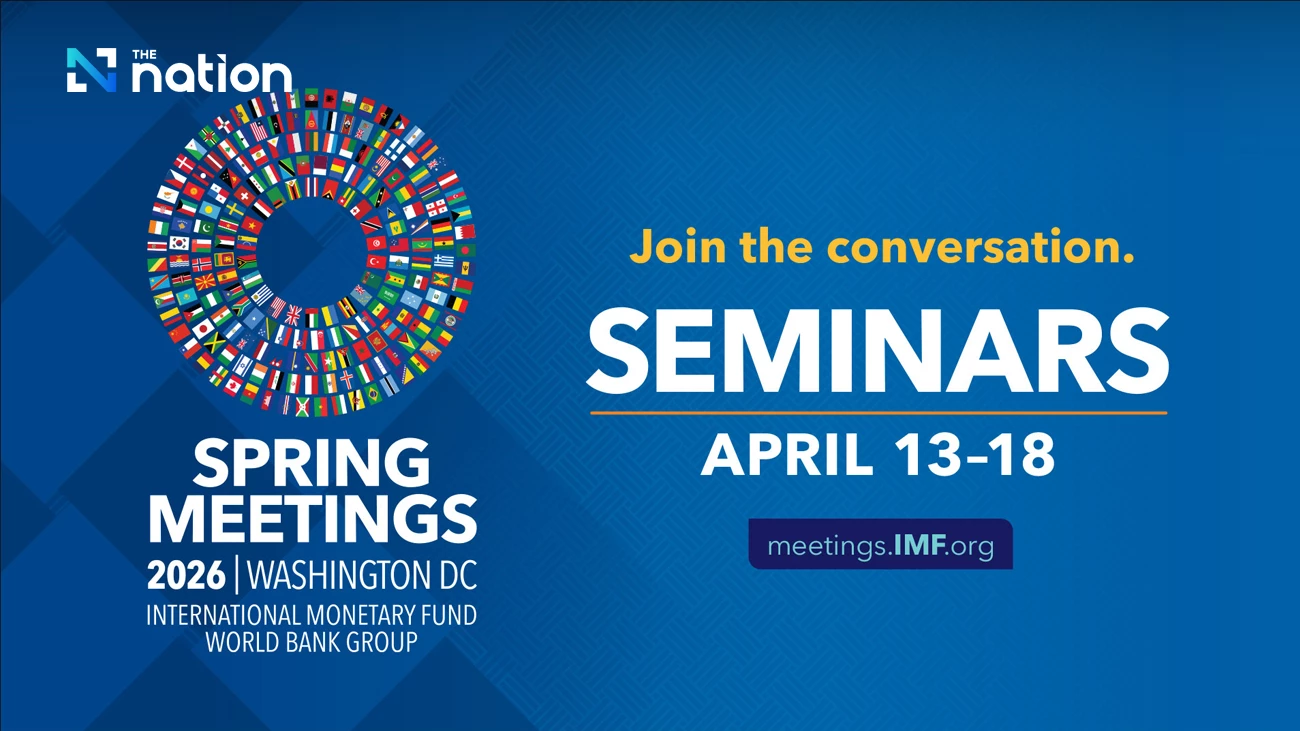
Navigating Global Economic Shocks: Insights from the 2026 IMF-World Bank Group Spring Meetings
In April 2026, global policymakers will converge at the annual IMF-World Bank Group Spring Meetings, an event that serves as a critical platform for discussing pressing economic challenges. Astute discussions and debates are expected as representatives from diverse nations come together to tackle the intricacies of economic management in a world increasingly characterized by shocks and volatility. The stakes are high, and navigating these challenges could pave the way for a more resilient global economy.
Understanding Economic Shocks
Economic shocks can be defined as unexpected events that drastically disrupt the equilibrium of economies. These can range from geopolitical tensions and natural disasters to sudden market fluctuations and public health crises, like the COVID-19 pandemic that shook the foundations of global commerce and trade. In an interconnected world, the ripple effects of these shocks can be widespread, transcending borders and economies. Policymakers face the challenge of not only mitigating the immediate impacts of such shocks but also preparing for future uncertainties.
Building Resilience: A Policy Imperative
One of the central themes of the 2026 Spring Meetings will be resilience—both of economies and societies. Building resilience requires a multifaceted approach. Policies will need to focus on strengthening social safety nets, enhancing fiscal space, and promoting sustainable economic practices. Through effective governance and robust institutions, nations can better withstand shocks and adapt to changing circumstances. Discussions will undoubtedly explore innovative frameworks and policies that can empower communities to weather the storms of economic uncertainties.
Unlocking New Sources of Growth
In addition to managing shocks, a significant part of the dialogue will center around unlocking new sources of growth. Today’s economies require innovative solutions that extend beyond traditional growth models. Emphasizing technology, renewable energy, and digital transformation, the meetings will highlight how countries can harness these elements to foster sustainable growth. Collaborations between nations, the private sector, and international organizations can lead to unique partnerships that explore novel economic avenues while considering environmental impacts and equity.
Collaboration in a Global Landscape
The collaborative spirit of the IMF-World Bank meetings is crucial for addressing global challenges. Policymakers, economists, and industry leaders from both developed and developing nations will engage in discussions aimed at fostering cooperation. Through shared insights and collective problem-solving, they can identify not just strategies for recovery but also pathways for equitable growth. This sense of global responsibility is essential, as the interconnectedness of economies means that solutions must be inclusive and considerate of diverse challenges faced by different countries.
The Role of Technology and Innovation
As the world shifts towards a more digital landscape, technology will take center stage in policy discussions during the meetings. Smart policies that harness innovation can offer powerful avenues for overcoming challenges. From fintech solutions that increase financial inclusion to digital platforms that connect global markets, leveraging technology can mitigate the impacts of shocks while promoting economic stability. Policymakers will explore how investment in technology infrastructure can serve as a bulwark against future uncertainties.
The Importance of Sustainable Practices
Sustainability has emerged as a crucial component of economic strategy. During the 2026 meetings, discussions are set to focus on integrating sustainable practices into economic policymaking. Climate change is no longer a distant concern but a pressing reality that demands immediate attention. Strategies that prioritize environmental sustainability not only address climate risks but can also lead to job creation and new opportunities in green industries. Balancing economic growth with environmental responsibility will be a significant topic on the agenda.
Advocating for Inclusive Growth
While discussions at the Spring Meetings will tackle macroeconomic strategies, there is an increasing recognition of the importance of inclusivity in growth. Policymakers will be urged to prioritize policies that support marginalized and vulnerable communities. Addressing income inequalities, ensuring access to education and healthcare, and fostering diversity in the workforce are vital components of sustainable growth. By embracing an inclusive approach, countries can build societies that are stronger and more resilient to the shocks of tomorrow.
For those keen to be part of this pivotal dialogue, registration for the 2026 IMF-World Bank Group Spring Meetings is open. Visit here to secure your participation. The insights shared and decisions made during these meetings will undoubtedly shape the landscape of global economics for years to come.



