

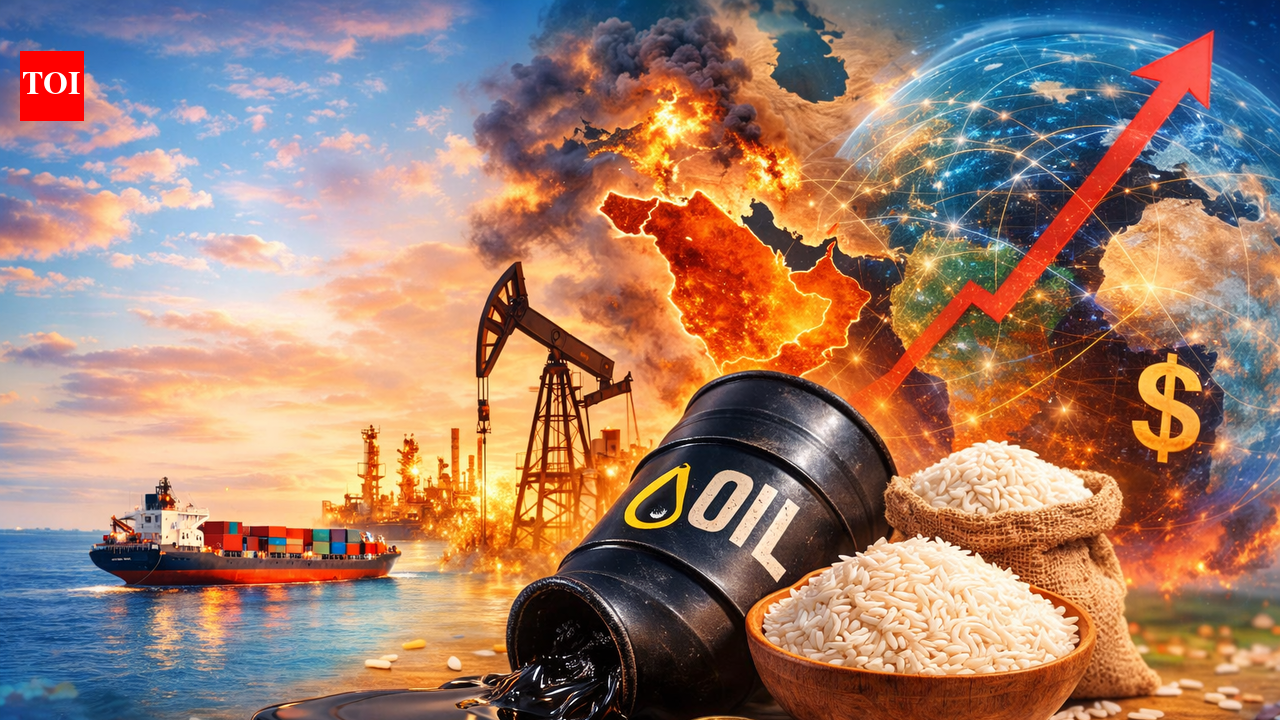
The Ripple Effects of the Middle East Conflict on the Global Economy
As the conflict in the Middle East unfolds, its implications extend far beyond the immediate region, creating palpable tremors in the global economic landscape. While the situation is fluid and ongoing, early indicators point to significant pressures on trade, energy supplies, and food production, at a time when many economies are still reeling from previous disruptions. Let’s delve deeper into how this unfolding crisis may alter the economic fabric globally.
1. Rising Energy Prices
Energy markets have found themselves at the epicenter of rising economic risks due to the conflict. The escalating tensions have driven benchmark oil prices, such as Brent crude, to heights not seen in over 18 months. A significant concern is the potential disruption of the Strait of Hormuz, a crucial waterway where approximately one-fifth of the world’s oil and liquefied natural gas supply passes through daily.
Should this corridor become inaccessible, the repercussions for energy markets could be dire. Goldman Sachs suggests that European natural gas prices could more than double if shipments are halted for an extended period. Higher energy prices are expected to seep into broader economic systems, exacerbating inflation rates across various countries. For instance, projections indicate that in Europe, inflation, which was at 2% in January, could rise significantly if the crisis persists.
2. Greater Vulnerability for Asian Economies
Among the regions most susceptible to the conflict’s economic ramifications are Asian economies. A recent analysis indicated that between 80% to 90% of crude oil and liquefied natural gas transported through the Strait of Hormuz is headed for Asia. Countries like China, heavily reliant on these resources, find themselves particularly exposed at this critical juncture of economic recovery.
The potential for heightened inflation across Asia looms large. Economists predict that if Brent crude prices remain at current peaks, inflation could climb by approximately half a percentage point in many Asian nations.
3. Disruption to Exports and Global Trade
The ripples of conflict have already begun to interfere with global trade flows. Reports indicate that shipments bound for the Middle East have been notably disrupted, affecting exports from countries such as India. For example, over 400,000 metric tons of basmati rice, a major export product, remains stranded due to logistical challenges stemming from shipping route disruptions.
These challenges are not limited to rice; various other goods are facing similar fates. With the Middle East serving as a significant market for many Asian exporters, ongoing tensions could drastically impact trade dynamics.
4. Pressure on Fertilizer Supply and Food Production
Another pressing concern tied to the conflict is the impact on fertilizer supplies — an essential component for global food production. The Strait of Hormuz plays a vital role in the fertilizer trade, with a significant share of the world’s urea exports traversing this route. Industry experts warn that disruptions could lead to spiraling prices for fertilizers, which have already increased. With rising costs, the stakes for food production escalate, as nearly half of global food output relies on fertilizers.
5. Shipping Congestion and Supply Chain Delays
The ripple effects of the conflict extend into shipping networks as well, with rising congestion and delays becoming evident. Notably, major shipping firms have begun suspending services to the Middle East, resulting in a backlog of containers at ports like those in India. This situation may create a cascading effect, where shortages and logistical challenges permeate other markets.
As nations scramble to manage cargo and adjust shipping routes in response to the conflict, the immediate uncertainty within logistics networks is palpable.
6. Impact on Air Cargo and Global Trade Flows
Airfreight operations are similarly facing disruptions due to the ongoing conflict, with many flights grounded and airspace restrictions complicating logistics. Middle Eastern airlines, which hold a significant share of the global air cargo capacity, have started reporting delays, directly affecting companies that rely on swift transportation for high-value goods.
The International Air Transport Association highlights that airfreight accounts for about one-third of global trade by value, including critical commodities like electronics and pharmaceuticals. The disruption in air cargo not only affects supply timelines but also tests the resilience of global supply chains.
As the situation continues to evolve, the interconnected nature of our economies will ensure that the effects of the Middle East conflict are felt far beyond its borders, influencing markets, inflation rates, and economic stability worldwide.



