

Glen Schofield’s Vision for AI in Game Development
A Trailblazer’s Take on AI
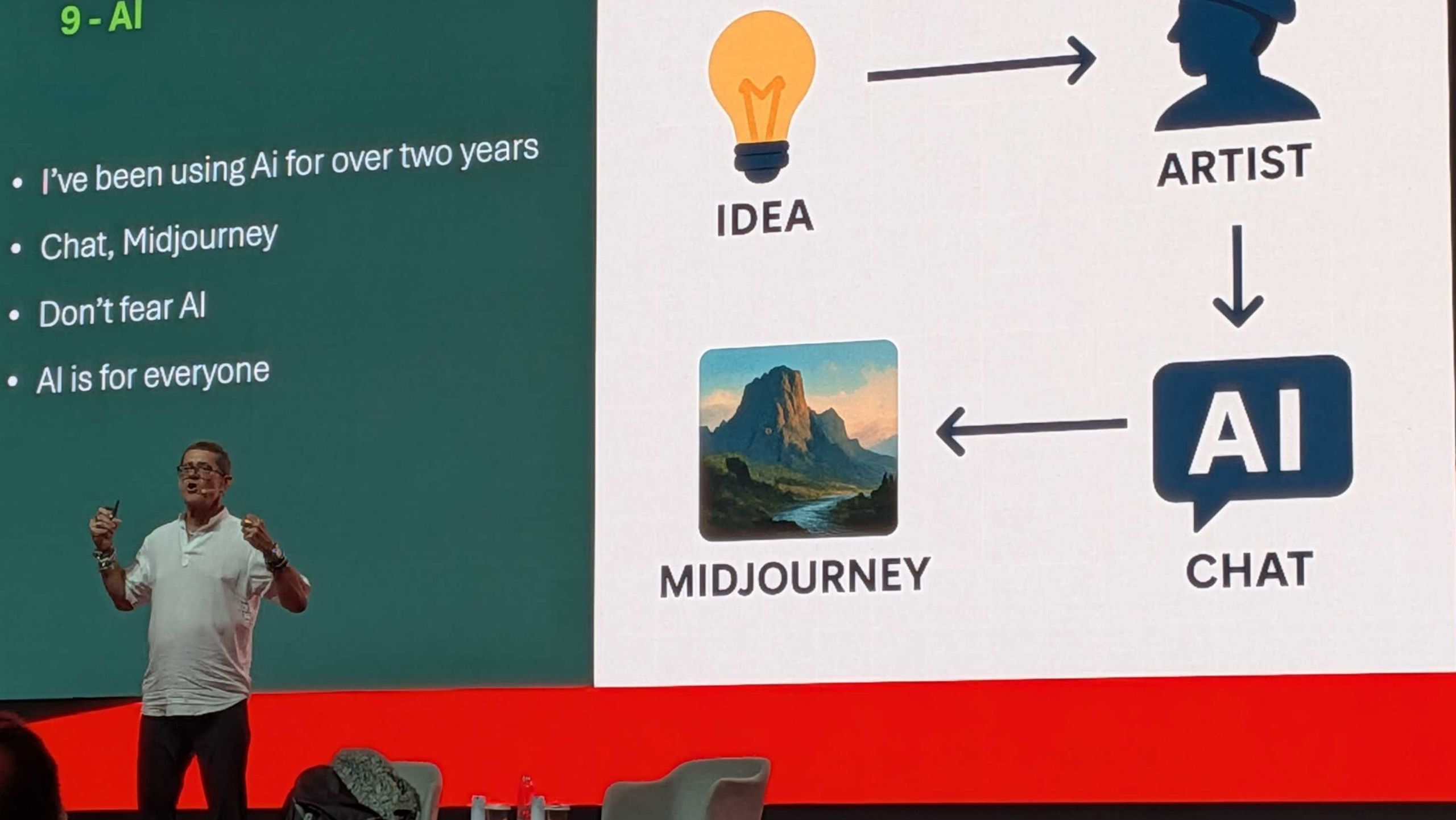
Glen Schofield, the creator of the iconic Dead Space and former head of Striking Distance Studios, has emerged as a vocal proponent of integrating artificial intelligence into game development. Schofield’s enthusiastic advocacy came to the forefront at his keynote speech at Gamescom Asia x Thailand Games Show, where he explored the topic "Ten Ways I Come Up with Ideas." He described how generative AI, particularly Midjourney, serves as a valuable brainstorming tool in his creative process.
Generative AI: A New Frontier
During his address, Schofield emphasized the transformative potential of generative AI in the early stages of game development. He shared his personal experience of using Midjourney to explore visual narratives and concepts. In the pre-concept phase, he employs the tool to generate original visual ideas, effectively streamlining the brainstorming process. He also utilizes AI chat functionalities to facilitate discussions and explore new directions in design.
Schofield underscored that the adoption of AI in game development is not just beneficial but inevitable. He argued that historical precedents illustrate how major technological leaps—like the advent of personal computers and the internet—have paved the way for entirely new industries. His assertion was clear: "AI is a technological leap—it will change the way we work."
The Uncertain Future of Jobs
With AI’s rapid advancement comes a range of emotions regarding its impact on employment within the industry. Schofield acknowledged the concern that some job roles may become obsolete, but he countered with a hopeful perspective: millions of new opportunities will emerge. "Learn some AI that makes you better, faster, and more efficient," he urged aspiring developers, advocating for an adaptable mindset in the face of technological change.
In a candid follow-up discussion, Schofield expressed skepticism about the accelerated timelines asserted by others in the industry, specifically referencing Elon Musk’s claim that his company, xAI, would produce a fully AI-generated game within a year. "In one year they’ll be able to make a game? No, he’s full of crap," Schofield declared, critiquing the feasibility of such a timeline based on current capabilities.
Bridging the Gap Between AI and Game Development
One of Schofield’s major critiques revolves around the development of AI tools. He emphasized the need for collaboration between AI companies and game developers to ensure that newly created tools are effective and relevant. Schofield remarked, "Game makers hate when somebody outside the industry makes a tool. They don’t know how to make games." This gap must be bridged if AI is to meaningfully contribute to the industry.
While he acknowledged the emergence of companies focused on AI-centric tools for game development, he stressed the importance of grounding these innovations in practical insights from experienced game developers. "That has to happen first," he explained, highlighting the fundamental disconnect between AI tool creation and actual game-making processes.
Vision for the Future of AI in Gaming
Looking ahead, Schofield was optimistic about the potential applications of AI in game development. He spoke of the possibilities for AI to assist in world-building and character creation, even though he admitted these areas still present significant challenges. The technology might evolve to allow for seamless transitions from concepts to fully fleshed-out characters, provided that execution becomes more refined.
Procedure and creativity can converge when tools like Midjourney are employed effectively. Schofield often experiments by merging his older drawings with new ideas produced through AI, generating surreal outcomes that serve as conversation starters among creative teams. His philosophy is that innovation should be encouraged, as evidenced by a project where he prompted Midjourney to render whimsical monsters, injecting fun into the brainstorming process.
The Ethics of AI in Art
Despite the controversies surrounding AI-generated content, Schofield shared an intriguing perspective on its ethical implications. He believes that AI should not be seen as a thief of artistic integrity. While acknowledging that many artists feel AI encroaches on their work, he pointed out that traditional techniques, like photobashing, have always incorporated elements from other artists—blurring the lines between inspiration and imitation.
Schofield urged artists to evaluate the legal and ethical discussions surrounding AI on an individual basis. He asserted, "Work with your own ethics, but do not ignore AI." This perspective positions AI not as an adversary but as a complementary tool that can enhance creativity and efficiency.
In his bold and thoughtful reflections, Glen Schofield not only champions the integration of artificial intelligence in gaming but also highlights the complexities and responsibilities that accompany its rise. Through his insights, he beckons a future of collaborative innovation where AI and creative artistry can coexist harmoniously.



