

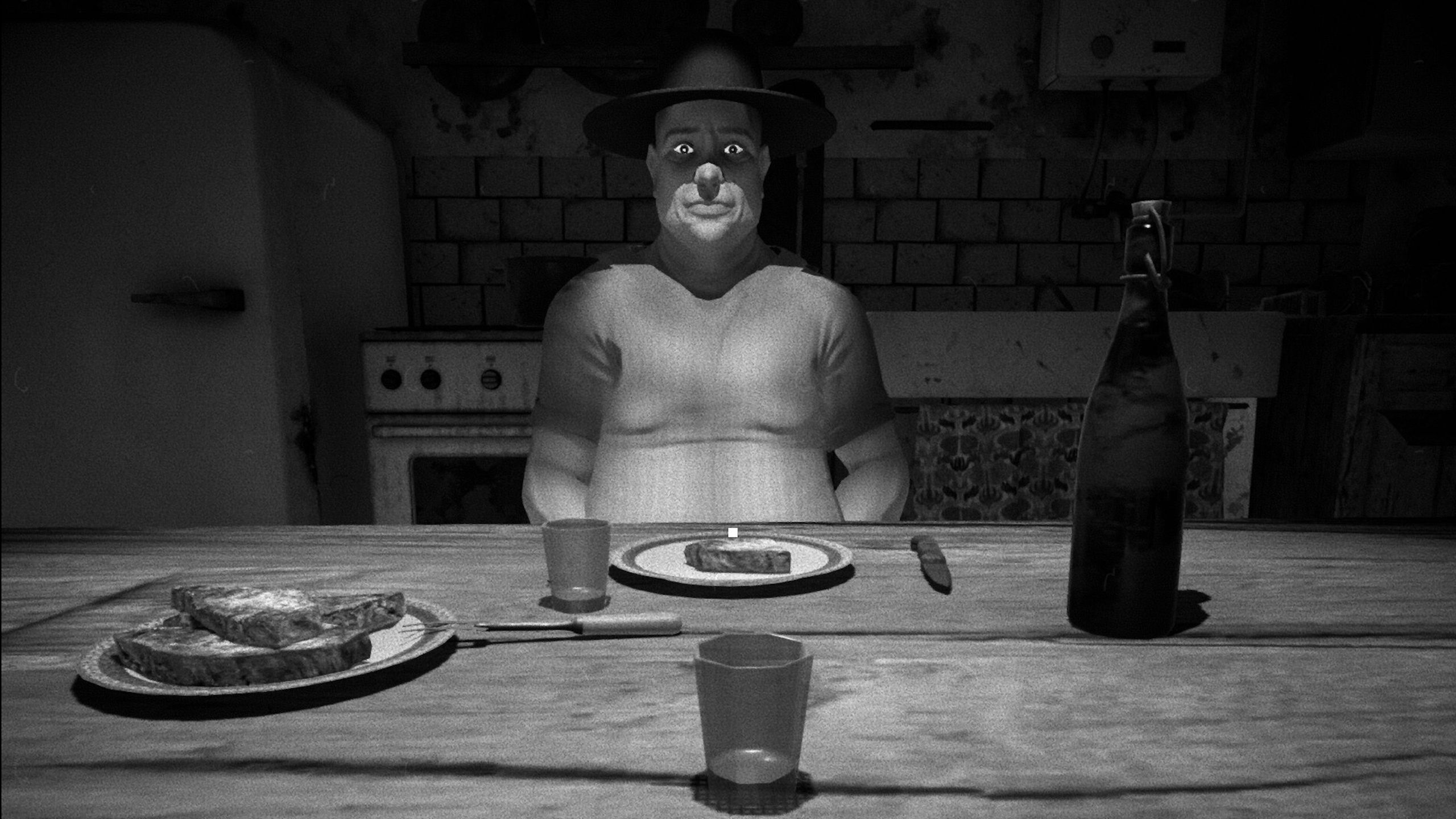
The Intriguing Journey of "Horses": A Game Entangled in Controversy
The world of indie gaming is no stranger to controversy, but the saga of "Horses" has unfolded with a twist that has left many players and developers scratching their heads. This unique title, which dives into heavy themes of familial trauma and ethical dilemmas, was met with an unexpected ban from major storefronts like Steam and Epic Games. But recent developments indicate a potential silver lining, shedding light on the complexities of game censorship and marketplace dynamics.
A Game that Provokes Thought
At its core, "Horses" is a first-person psychological horror adventure aimed at challenging players’ perceptions about trauma and ethical responsibilities in a dystopian setting. This isn’t your typical horror game; it features nude human beings in horse masks raised as livestock, serving as a stark metaphor for societal issues. The narrative is intentionally provocative, evoking discussions about the burdens individuals carry and the moral ramifications of societal structures.
The Fall from Grace: Ban from Major Platforms
The storm began when "Horses" was initially accepted for listing but then faced a harsh rejection. Valve, the parent company of Steam, cited concerns that the game "depicts sexual conduct involving a minor," a claim the developers, Santa Ragione, staunchly disputed. After an unsuccessful appeal, this ban left the team and the gaming community baffled.
Just a day before its scheduled launch, the Epic Games Store followed suit, withdrawing its support despite initially approving the game for release. This double whammy posed significant hurdles not only for Santa Ragione but also for the visibility and sales potential of "Horses."
Humble Bundle to the Rescue—For a Moment
In the midst of these setbacks, the Humble Store emerged as a beacon of hope, pledging to offer "Horses" as a DRM-free download. The developers were optimistic, seeing this as an opportunity to navigate around the restrictions imposed by larger platforms. However, this brief episode took an unexpected turn when the Humble Store suddenly delisted the game without any explanation, leaving both the developers and potential customers in the dark.
Pietro Righi Riva, one of the developers, expressed frustration at the lack of communication from Humble. He noted that, while the game had been reinstated after a review, the abrupt removal suggested a deeper issue with addressing the aftermath of its initial banning. The complexity of the issue was only exacerbated by the fact that Humble had previously approved the game for listing.
Public Reaction and Sales Surge
Despite the swirling controversies, "Horses" has seen a surprising uptick in interest. The game is currently a top seller on both GOG and Itch.io, two platforms that haven’t shied away from its content. In fact, being associated with such a contentious narrative may have ultimately drawn more attention than a traditional launch would have. With positive reviews affirming its artistic intentions and discomforting themes, it appears that "Horses" is managing to carve out a unique space for itself, even amidst its challenges.
What’s Next for "Horses"?
With the game back on the market in limited capacities, questions linger regarding the future. Will other platforms reconsider their stances, or will "Horses" remain a piece of gaming art relegated to niche markets? As discussions about censorship in the gaming industry continue to evolve, so too does the conversation surrounding "Horses." The developers remain hopeful for broader acceptance, and as conversations about its themes proliferate, the game’s legacy is still being shaped.
In the fast-moving landscapes of game distribution and public discourse, "Horses" has become a compelling case study. The unfolding dynamics not only illuminate the fraught relationships between developers and distributors but also expose the intricacies of artistic expression within interactive media. Each twist in this saga serves as a reminder of the ongoing dialogues about content, ethics, and the boundaries of creative freedom in an ever-changing digital marketplace.



